Tooth Abscess: Symptoms, Causes and Treatment Options
A tooth abscess is a pocket of infection that forms inside or around a tooth, usually as a result of untreated decay, injury, or gum disease. It is one of the more painful dental problems patients experience, and it needs timely attention because the infection does not resolve on its own. If you are dealing with severe tooth pain or facial swelling, understanding the warning signs can help you decide how quickly to seek care.
What Exactly Is a Tooth Abscess
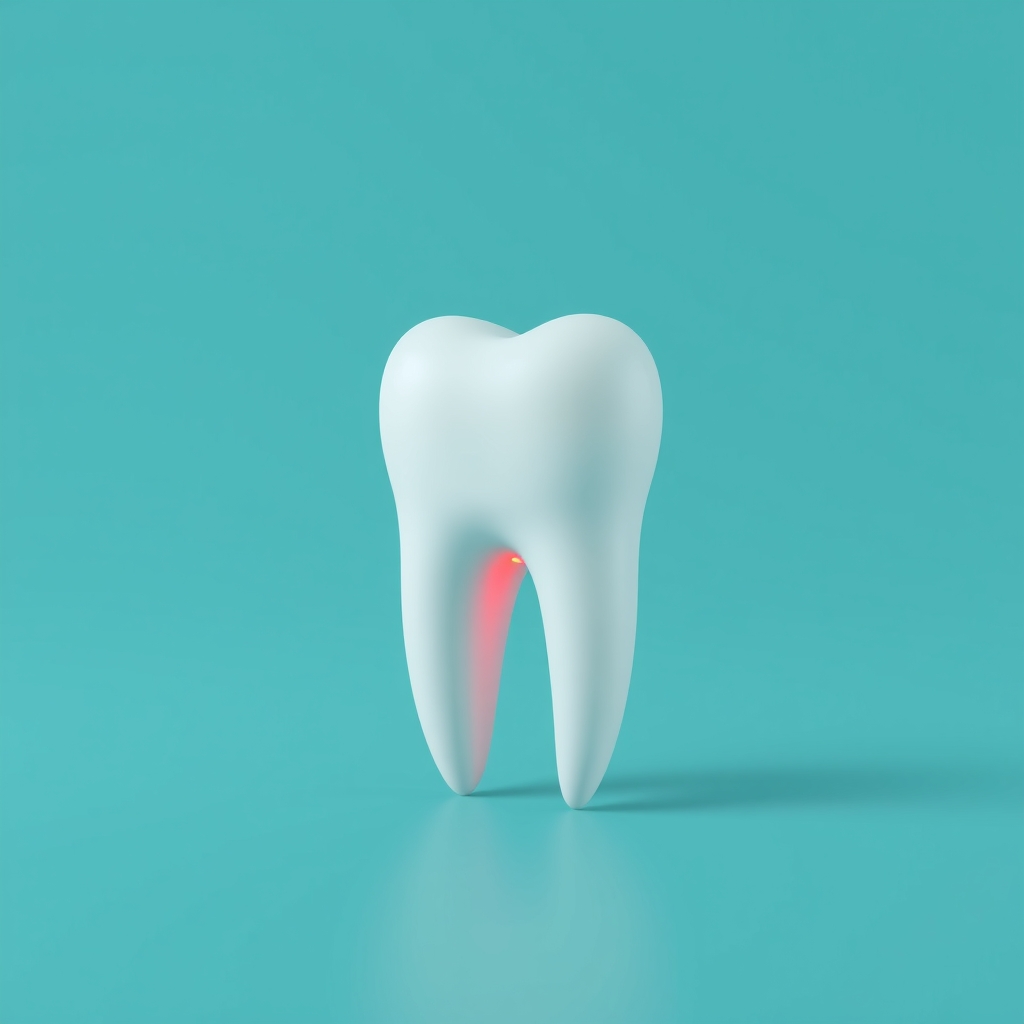
An abscess develops when bacteria enter the inner part of a tooth or the surrounding gum tissue and multiply, causing the body to respond with inflammation and a buildup of pus. There are two common types. A periapical abscess forms at the tip of a tooth's root, usually following untreated decay or trauma that has let bacteria reach the nerve. A periodontal abscess forms in the gum tissue beside a tooth, often linked to advanced gum disease or a trapped piece of food.
Warning Symptoms to Watch For
Symptoms can range from mild discomfort to severe, throbbing pain. Common signs include:
- Persistent, throbbing toothache that may radiate to the jaw, ear, or neck
- Sensitivity to hot or cold that lingers well after the stimulus is removed
- Swelling in the face, cheek, or gum near the affected tooth
- A pimple-like bump on the gum that may ooze fluid
- Bad taste in the mouth or persistent bad breath
- Fever, general tiredness, or swollen lymph nodes in the neck
- Pain when chewing or biting down
- Difficulty opening the mouth fully, or in severe cases, difficulty swallowing
If you notice swelling spreading to your face or neck, fever, or trouble breathing or swallowing, this is a sign the infection may be spreading beyond the tooth. This situation needs urgent dental or medical attention without delay.
What Causes a Tooth Abscess
Several factors can lead to an abscess forming:
- Untreated tooth decay: Cavities that are left untreated allow bacteria to reach the inner pulp of the tooth.
- Cracked or broken teeth: A crack can create an entry point for bacteria even if the tooth looks mostly intact.
- Gum disease: Advanced gum disease can create deep pockets where bacteria collect and infection takes hold.
- Previous dental work: Older fillings or crowns that have broken down can allow bacteria to seep underneath.
- Weakened immunity: Conditions that affect the immune system can make it harder for the body to fight off oral infections.
How Dentists Diagnose an Abscess
A dentist will usually examine the area, check for swelling and tenderness, and may tap the tooth gently to see how it responds. An X-ray is often used to confirm the location and extent of the infection and to check whether it has affected the surrounding bone. This helps decide the most appropriate treatment path.
Treatment Options for a Tooth Abscess
The right treatment depends on where the abscess is and how far the infection has spread.
Draining the Abscess
If there is a visible pocket of pus, the dentist may make a small incision to drain it and relieve pressure and pain. This is often an immediate first step when swelling is significant.
Root Canal Treatment
When the infection has reached the inner pulp of the tooth, root canal therapy removes the infected tissue, cleans the canal, and seals it to prevent further infection. This approach allows many teeth to be saved rather than extracted.
Tooth Extraction
If the tooth is too damaged to be restored, extraction may be recommended to fully remove the source of infection and allow the area to heal.
Antibiotics
Antibiotics may be prescribed to help control the spread of infection, particularly if it has reached nearby tissue or lymph nodes. They are usually used alongside, not instead of, a procedure that addresses the source of infection.
Deep Cleaning for Gum-Related Abscesses
If the abscess is linked to gum disease, a thorough cleaning below the gumline may be needed to remove bacteria and allow the tissue to heal.
Why Prompt Care Matters
An untreated abscess can spread to the jawbone, other teeth, or in rare cases, deeper tissues of the face and neck. Addressing it early generally means simpler treatment and a more comfortable recovery. If you are in DLF Phase 4, Gurgaon and noticing symptoms that sound like an abscess, it is worth getting examined sooner rather than waiting for the pain to pass.
Thinking about treatment? Root canal treatment at EXL Dentists
Questions before you book?
EXL Dentists · Galleria Boulevard, DLF Phase IV, Sector 43
Frequently asked questions
Can a tooth abscess go away on its own?
No. An abscess will not heal without treatment. Pain or swelling may come and go, but the infection stays and can spread if left untreated. You need professional dental care to resolve it fully.
Is a tooth abscess a dental emergency?
Yes, especially if you have facial swelling, fever, or trouble swallowing or breathing. These signs mean the infection may be spreading and you should seek care right away.
Will antibiotics alone cure an abscess?
Antibiotics can help control the spread of infection, but they do not remove the source. The abscess usually needs to be drained and the underlying tooth problem treated, often with root canal therapy or extraction.
How can I tell the difference between a cavity and an abscess?
A cavity often causes mild to moderate sensitivity, while an abscess usually brings throbbing pain, swelling, and sometimes fever. If pain is severe or there is visible swelling, have it checked promptly.