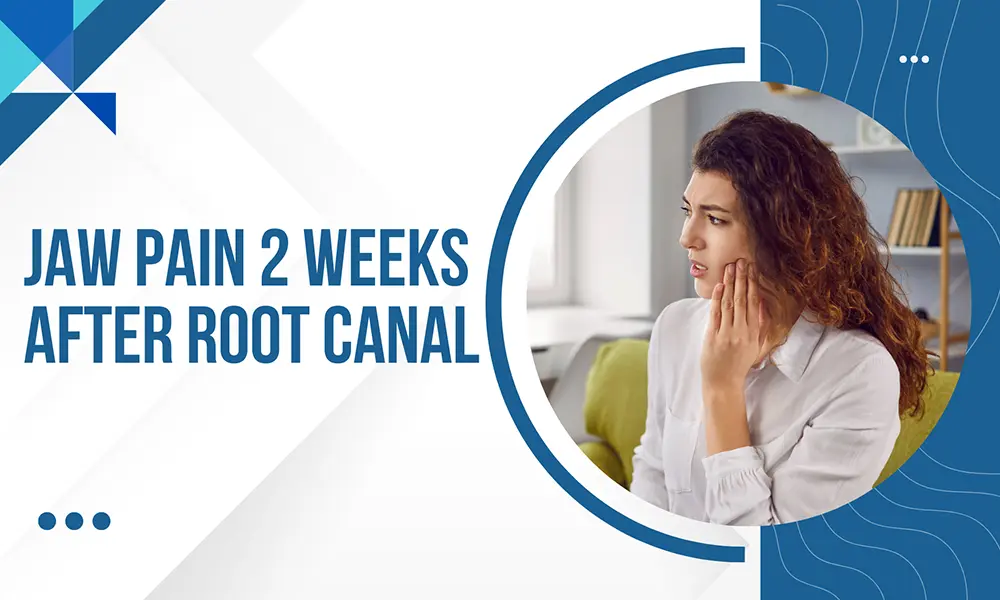
Experiencing jaw pain two weeks after a root canal can be concerning, but it’s more common than you might think. Root canal treatment is designed to remove infected tissue inside a tooth, relieve pain, and prevent reinfection. However, the healing process doesn’t stop immediately after the procedure, and your jaw and surrounding tissues may still be adjusting.
Why Jaw Pain Happens After Root Canal
Normal Healing Process
After a root canal, your body needs time to recover. Mild discomfort or tenderness in the jaw can be a normal part of the healing process. This usually improves gradually as inflammation decreases and the tissues settle.
Inflammation and Nerve Sensitivity
The nerves and ligaments around the treated tooth are still calming down after the procedure. Inflammation can sometimes radiate into the jaw, especially when chewing or opening wide.
Occlusion (Bite) Changes
If your bite feels slightly different after the treatment, it can put extra pressure on your jaw muscles. A quick adjustment by your dentist may help balance your bite and ease strain.
Possible Causes of Persistent Jaw Pain
Residual Infection
In some cases, a lingering infection can continue to cause discomfort. Pain that doesn’t improve or gets worse may need re‑evaluation. Your dentist may take new X‑rays to check for signs of infection or reinfection.
Dry Socket (Uncommon After Root Canal)
Dry socket is usually related to tooth extraction, but if there were nearby extractions or surgical steps involved, you might experience similar soreness. Persistent pain with a bad taste or smell deserves a check‑up.
TMJ (Temporomandibular Joint) Strain
Jaw pain might not be directly from the root canal itself but from secondary strain on the jaw muscles and temporomandibular joint. Stress, clenching, or chewing hard foods can worsen this.
When to Be Concerned
Signs Pain Isn’t Normal
If you notice any of the following, it’s important to seek dental advice promptly:
- Pain that worsens instead of improving after 7–10 days
- Swelling or warm sensitivity in the gums
- Pus discharge or a persistent bad taste
- Swelling in nearby face or neck areas
- Difficulty opening your mouth or chewing
Connection With Other Dental Issues
Sometimes, jaw pain can stem from unrelated or adjacent dental issues, such as cavities or gum infection. Maintaining overall oral health, including regular visits to a general dentist, ensures that nothing is overlooked.
How to Manage Jaw Pain After Root Canal
At‑Home Comfort Tips
- Apply warm compresses to relaxed muscles
- Use recommended pain relief as advised by your dentist
- Stick with softer foods in the first few weeks
- Chelsea hydration and avoid very hard or chewy foods
Professional Care Options
If pain persists, your dentist may recommend:
- Occlusal adjustment to balance your bite
- Antibiotics if infection is suspected
- TMJ therapy for joint strain
At EXL Dentists , advanced diagnostic imaging and careful follow‑ups help identify the root cause of lingering pain and tailor the best recovery plan for you.
Prevention and Aftercare
Regular Check‑ups
Staying consistent with dental visits can catch potential issues early and support smoother healing after procedures like root canal therapy.
Oral Hygiene Habits
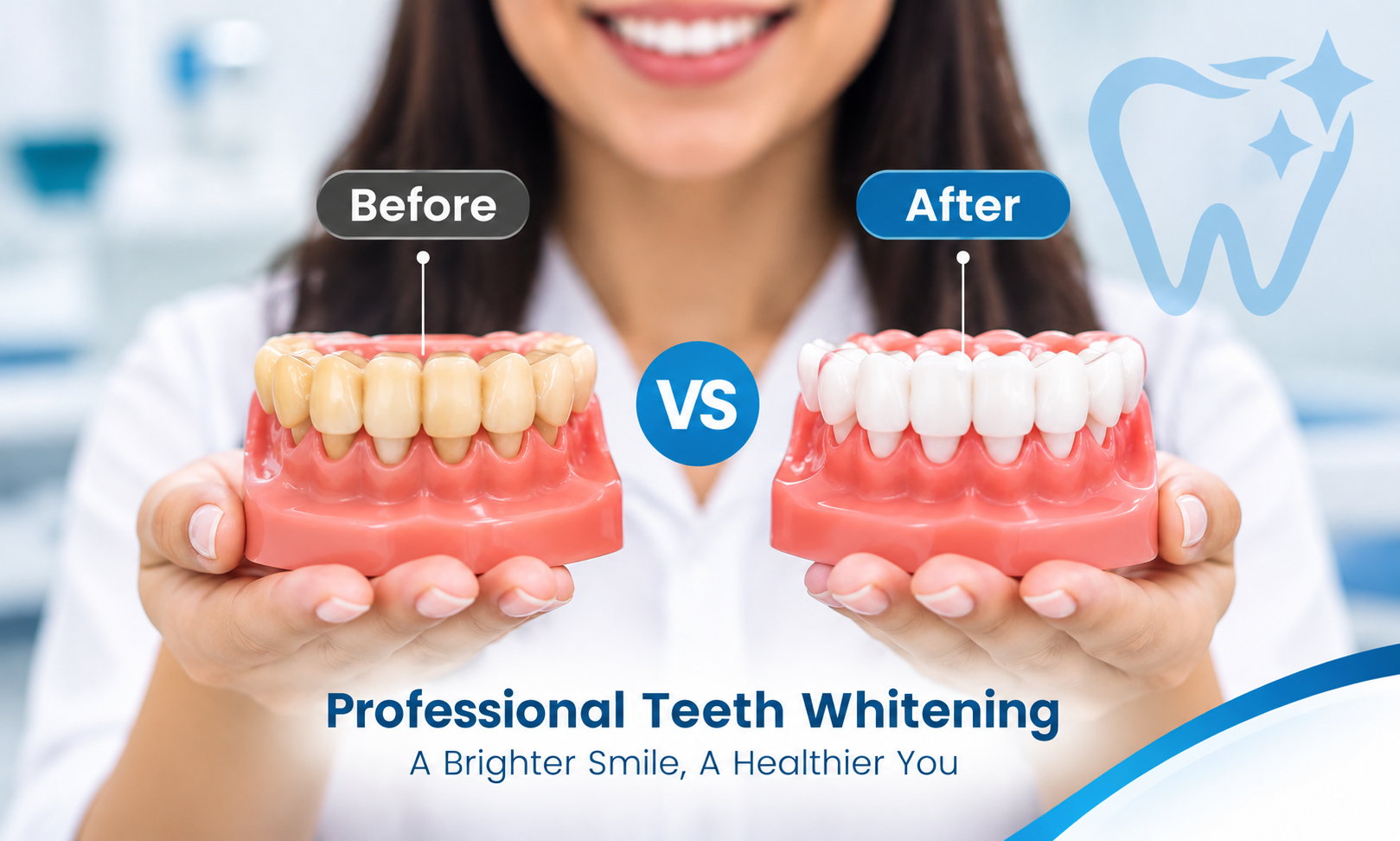
Good oral hygiene — brushing twice a day, flossing, and regular professional cleanings — aids long‑term dental health and reduces risk of complications. If needed, treatments like gum treatment or teeth whitening can further improve smile confidence.
FAQs About Jaw Pain After Root Canal
How long should pain last after a root canal?
Some tenderness for a few days is expected, but pain should decrease consistently. If it persists beyond 7–10 days, see your dentist.
Can infection occur after a root canal?
Yes, reinfection is possible if bacteria remain in hard‑to‑clean areas. A dentist can re‑evaluate and treat as needed.
What helps jaw pain after dental procedures?
Warm compresses, gentle stretching, and prescribed pain relief help manage discomfort. Avoid hard foods and rest your jaw when possible.
Should I worry if my bite feels off after a root canal?
If your bite feels uneven or your jaw keeps aching, it’s worth getting checked. Small adjustments can often fix bite issues and reduce pain.
Conclusion
Jaw pain two weeks after a root canal can range from normal healing discomfort to signs of a deeper issue. Paying attention to symptoms and communicating with your dentist early can avoid complications and ensure strong recovery.
For expert care and personalized guidance, visit EXL Dentists — your trusted dental clinic in Gurgaon focused on comfort and long‑term oral health.