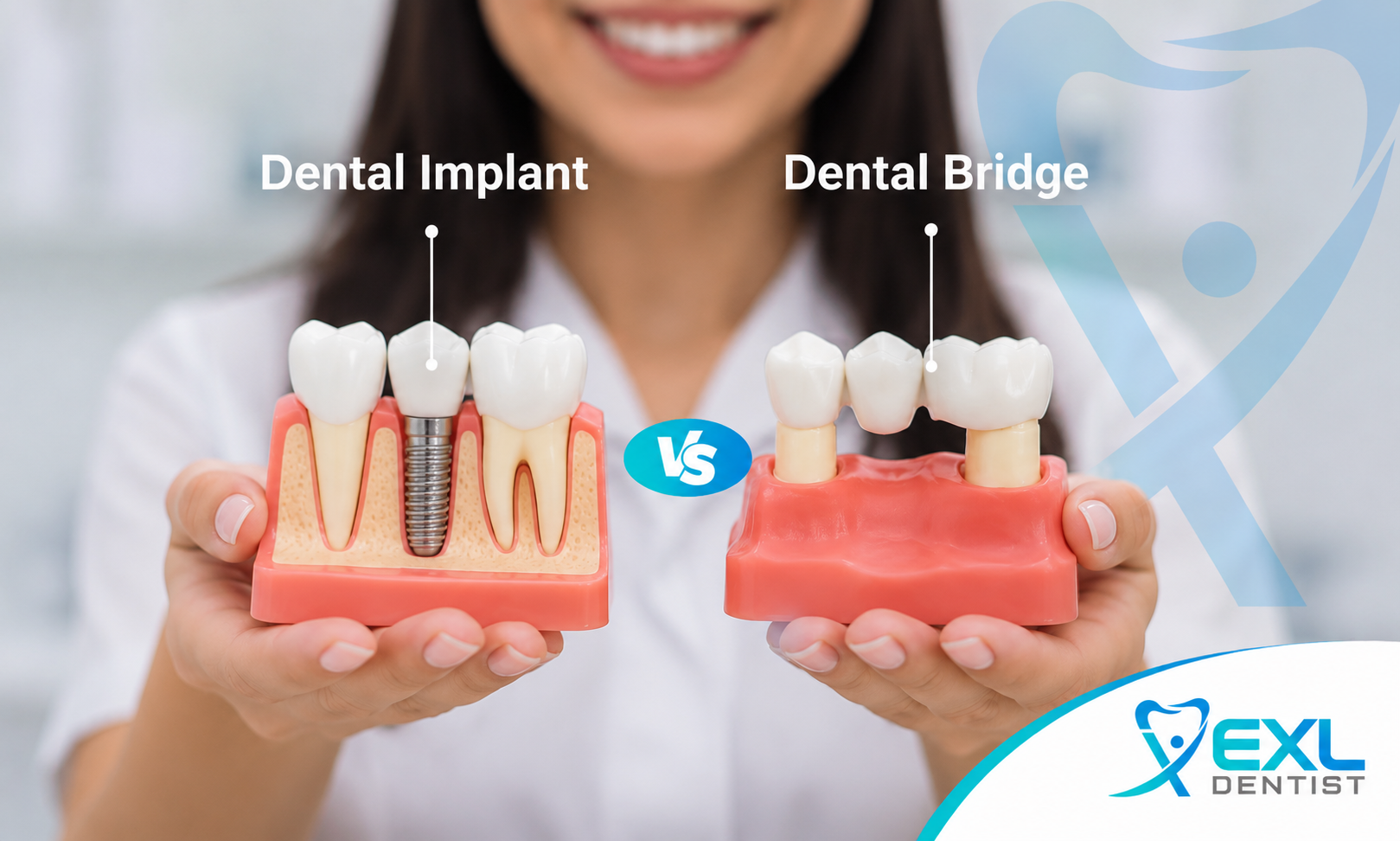
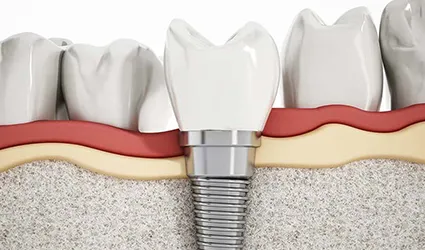
Dental implants are artificial roots made of titanium that are surgically placed into the jawbone to replace missing teeth. They are designed to function just like natural teeth and offer long-term durability when maintained properly. Dental implants not only restore your smile but also improve chewing ability and overall oral health. However, like any medical procedure, implants are not completely risk-free.
In some cases, complications may arise, leading to implant failure. At EXL Dentists, known for expert Dental Implants in Gurgaon, we help patients understand the causes, symptoms, and prevention of implant failure to ensure long-term success.
What is a Dental Implant Failure?
Dental implant failure occurs when the implant does not integrate properly with the jawbone or loses stability after successful placement. This condition can affect both the function and appearance of your teeth. It may result from biological, mechanical, or procedural factors and can occur at different stages of the healing process.
Early Implant Failure
Early implant failure usually happens within the first 3–4 months after placement. During this period, the implant is expected to fuse with the bone in a process called osseointegration. If this process fails due to infection, poor bone quality, or excessive movement, the implant may become loose. Patients may experience pain, swelling, or discomfort, indicating that immediate dental attention is required.
Late Implant Failure
Late implant failure occurs after the implant has already integrated successfully. This is often caused by long-term issues such as bone loss, infection, or excessive stress on the implant. One of the most common causes is peri-implantitis, a condition that affects the surrounding gums and bone. Such conditions may require specialized Gum Treatment to control infection and preserve oral health.
Signs of Dental Implant Failure
Recognizing the early signs of dental implant failure is essential for preventing further complications. Ignoring symptoms can lead to severe damage to the surrounding bone and gums, making treatment more complex and costly.
- Pain or discomfort around the implant area
- Swelling, redness, or inflammation in gums
- Bleeding or pus discharge
- Difficulty while chewing or biting
- Implant feeling loose or shifting
- Persistent bad breath or unpleasant taste
If you notice any of these warning signs, it is important to consult a General Dentist immediately. Early diagnosis can help save the implant and avoid further complications.
Causes of Dental Implant Failure
Dental implant failure can occur due to a variety of reasons, and understanding these causes can help in prevention. Both patient-related and procedural factors play a crucial role in the success or failure of an implant.
- Infection: Bacterial infection at the implant site can interfere with healing and lead to implant rejection. Reading about how to prevent cavities naturally can give tips on maintaining a healthy oral environment and reducing infection risk.
- Poor oral hygiene: Accumulation of plaque and tartar can result in gum disease and bone loss. Learn about gum disease treatments to understand the importance of oral hygiene.
- Smoking: Smoking reduces blood flow, slowing down healing and increasing failure risk.
- Medical conditions: Diseases like diabetes or osteoporosis can impact bone strength and healing ability.
- Surgical errors: Improper placement or insufficient bone support can lead to instability.
- Mechanical stress: Teeth grinding or improper bite alignment can put excess pressure on implants. Misalignment can sometimes be addressed using dental braces or aligners for better bite balance.
In some cases, misalignment issues may worsen the situation, which can be corrected using Invisible Aligners to ensure balanced bite pressure.
How is Dental Implant Failure Treated?
The treatment of dental implant failure depends on its severity and underlying cause. Early intervention plays a key role in saving the implant and preventing further complications. Dentists carefully evaluate the condition before suggesting the most suitable treatment option.
- Antibiotics: Prescribed to eliminate infection and reduce inflammation.
- Professional cleaning: Helps remove plaque and bacteria around the implant.
- Bone grafting: Required when there is insufficient bone to support the implant.
- Implant removal: In severe cases, the implant may need to be removed and replaced.
If the infection spreads deeper into the tooth or nerve, advanced procedures like Root Canal Treatment may be necessary to control the damage and restore oral health. You can also explore foods that strengthen your teeth to support recovery after dental procedures.
How to Prevent Dental Implant Failure?
Preventing dental implant failure is possible with proper care and lifestyle habits. Following your dentist’s instructions before and after the procedure significantly improves the chances of long-term success.
- Maintain proper oral hygiene by brushing and flossing daily
- Avoid smoking, especially during the healing phase
- Stay away from hard or sticky foods initially
- Take prescribed medications on time
- Visit your dentist regularly for check-ups
Maintaining overall dental aesthetics and alignment also contributes to implant longevity. Treatments like Smile Makeover can improve both function and appearance, ensuring better oral health in the long run.
Conclusion
Dental implants are one of the most effective solutions for replacing missing teeth, offering durability and a natural look. However, their success depends largely on proper care, timely diagnosis, and professional treatment. Ignoring early symptoms can lead to serious complications, including implant loss.
By maintaining good oral hygiene, avoiding harmful habits, and visiting your dentist regularly, you can significantly reduce the risk of implant failure. Additionally, enhancing your smile with procedures like Teeth Whitening helps maintain overall oral confidence and aesthetics.