
Cavities usually do not appear suddenly. They develop when bacteria in the mouth break down sugars from food and produce acids. These acids slowly weaken the outer layer of the teeth, known as enamel. If this continues for a long time, the enamel begins to break and small holes form in the teeth. In advanced cases, procedures like root canal treatment may be required to save the tooth.
Good daily habits play a big role in protecting teeth from decay. When the mouth stays clean and saliva works properly, harmful bacteria struggle to damage enamel. A balanced diet and proper oral care, along with guidance from a general dentist, can help keep teeth strong for many years.
Below are simple and practical ways to reduce the risk of cavities naturally.
Brush Your Teeth Carefully
Brushing removes plaque, food particles, and bacteria from the surface of the teeth. Dentists generally advise brushing twice a day with a soft-bristled toothbrush and fluoride toothpaste.
Move the toothbrush gently across the front, back, and chewing surfaces of the teeth. Pay attention to the gumline and the back teeth because plaque often collects in these areas. Proper brushing also supports overall gum health.
Spend at least two minutes brushing so the entire mouth gets cleaned properly.
Floss Once a Day
Food particles often remain trapped between teeth where a toothbrush cannot reach. These areas allow bacteria to grow and may lead to decay over time.
Flossing helps remove debris and plaque from these tight spaces. Cleaning between the teeth once a day keeps these areas healthier and lowers the chances of cavities forming between teeth.
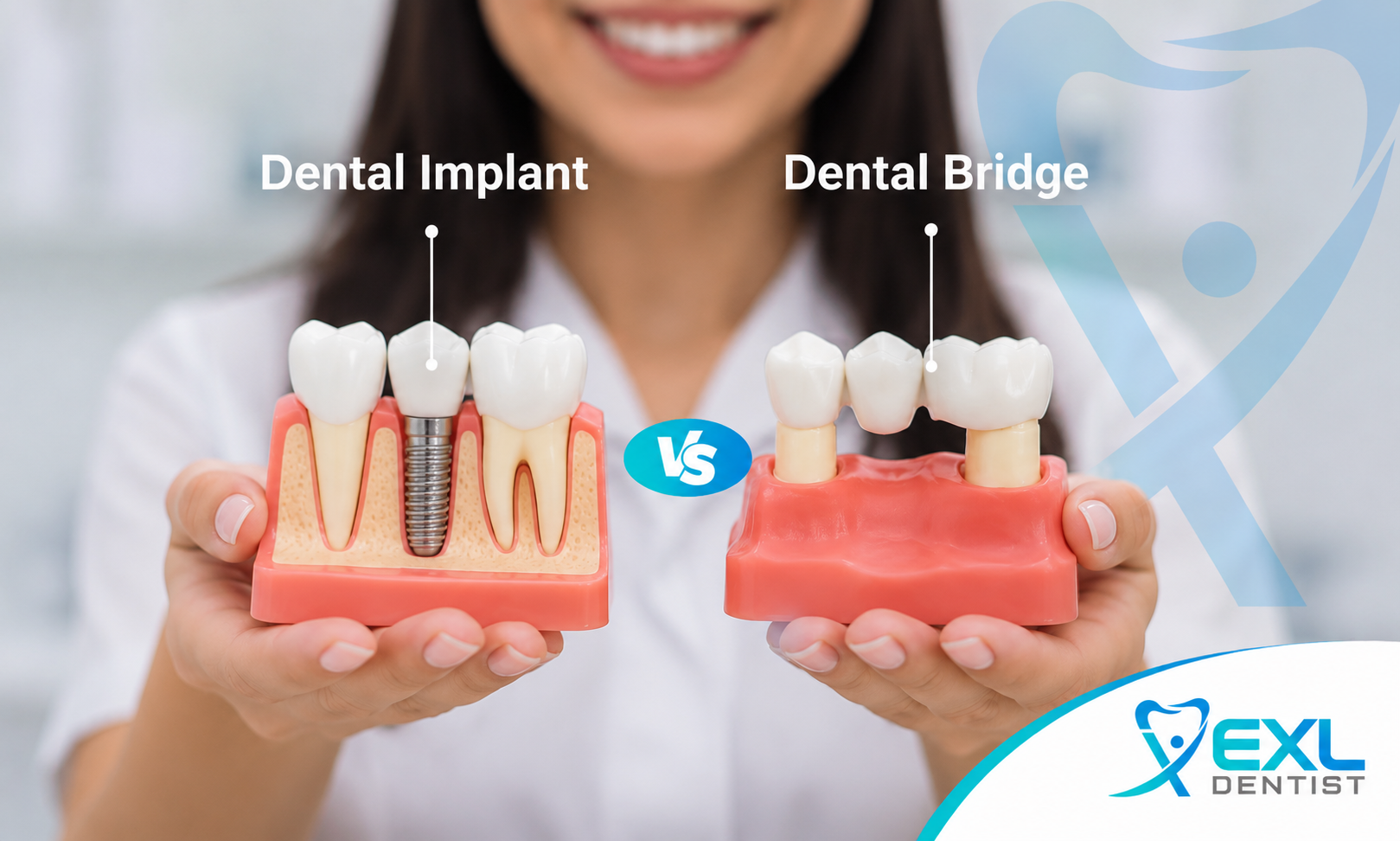
This small habit also supports healthier gums and prevents the need for advanced treatments like dental implants in the future.
Reduce Sugary Foods and Drinks
Sugar plays a major role in tooth decay. When bacteria consume sugar, they release acids that weaken tooth enamel.
Limiting sugary snacks, sweet beverages, and sticky foods can help reduce this acid activity in the mouth. Sticky sweets often remain on the teeth longer, which increases the risk of decay.
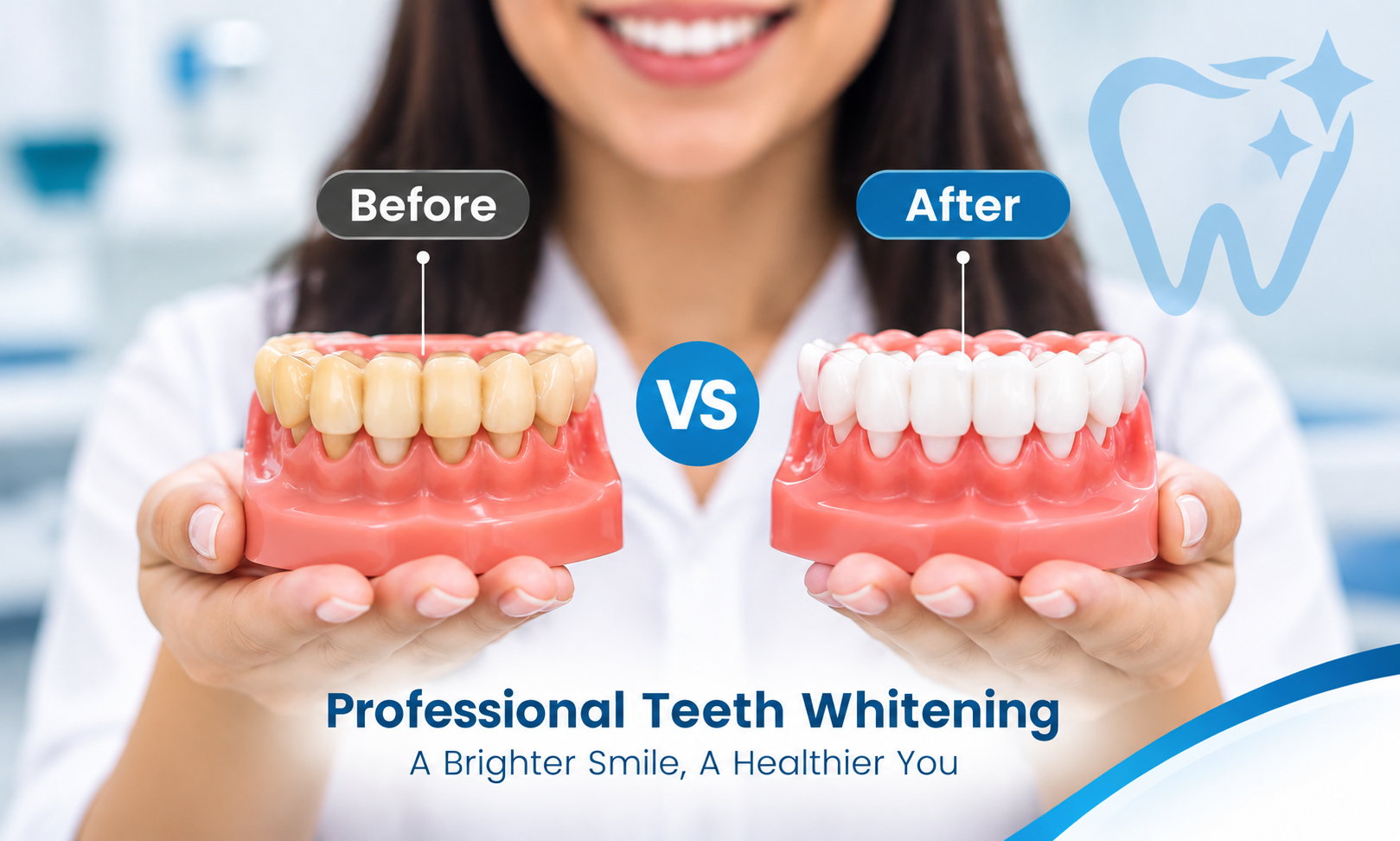
Choosing healthier options like fruits, nuts, yogurt, or vegetables can help maintain better oral health and preserve your natural smile. For those looking to enhance their appearance, treatments like teeth whitening or a complete smile makeover can further improve dental aesthetics.
Drink Water Throughout the Day
Water helps rinse away leftover food particles and acids from the mouth. Drinking water after meals can help keep the mouth cleaner and reduce bacterial activity.
Staying hydrated also supports saliva production. Saliva helps protect teeth by neutralizing acids and washing away bacteria.
Plain water is one of the simplest ways to support oral health every day.
Eat Foods That Support Strong Teeth
Diet affects dental health more than many people realize. Foods rich in calcium and phosphorus help maintain strong enamel.
Dairy products such as milk, cheese, and yogurt provide important minerals for teeth. Crunchy fruits and vegetables like apples and carrots also stimulate saliva, which naturally helps clean the mouth.
Leafy greens contain nutrients that support both teeth and gums.
Visit a Dentist for Regular Checkups
Even with careful brushing and flossing, dental checkups remain important. Dentists can identify early signs of tooth decay before they become serious problems.
Professional cleanings also remove hardened plaque that cannot be removed by brushing alone. Regular visits allow problems to be treated early and help maintain healthier teeth.
Most dentists recommend a dental examination every six months.
Frequently Asked Questions About Cavities Naturally
What kills cavities in teeth?
Once a cavity forms and creates a hole in the tooth, it cannot disappear on its own. Dentists usually treat cavities with fillings or other dental procedures. In more serious cases, procedures like root canal symptoms may be needed. Good oral hygiene and fluoride can slow early decay and protect the surrounding enamel.
What is the 3-3-3 rule for teeth?
The 3-3-3 rule is a simple dental care routine. It means brushing three times a day, brushing for about three minutes each time, and waiting a few minutes after eating before brushing. This routine helps protect enamel and maintain better oral hygiene.
Can you 100% prevent cavities?
It is difficult to guarantee complete prevention because many factors affect dental health, including diet, bacteria, and saliva. However, regular brushing, flossing, and choosing the best foods healthy teeth can greatly reduce the risk of cavities.
Is there a way to permanently prevent cavities?
There is no permanent way to prevent cavities forever. Teeth remain exposed to bacteria and food acids every day. However, strong oral care habits and a balanced diet can help protect teeth and keep them healthy for a long time. Ignoring dental issues can sometimes lead to infections, which may require treatment as explained in this tooth treatment guide.
Maintaining healthy teeth depends on consistency. Daily brushing, regular flossing, balanced nutrition, and routine dental visits work together to reduce the risk of cavities and support long-term oral health.