Why Tongue Cleaning Matters for Fresh Breath and Oral Hygiene
Most people focus on brushing and flossing their teeth but forget one part of the mouth that plays a big role in fresh breath and overall oral hygiene: the tongue. If you have ever wondered why your breath still feels off even after brushing, the answer often lies on the surface of your tongue.
Why the Tongue Needs Cleaning
The tongue's surface is rough and uneven, with tiny grooves and bumps called papillae. These create the perfect hiding spots for bacteria, dead skin cells, and leftover food particles. Over time, this buildup forms a coating, often visible as a white or yellowish film, especially towards the back of the tongue.
This coating is one of the leading causes of bad breath, also known as halitosis. The bacteria living there break down food particles and produce sulphur compounds, which give off an unpleasant smell. Simply brushing your teeth does not remove most of this buildup, since a toothbrush is designed for hard tooth surfaces, not the soft, textured tongue.
Tongue Scrapers vs Tongue Brushes
There are two common tools used for tongue cleaning, and both have their place in a daily routine.
Tongue Scrapers
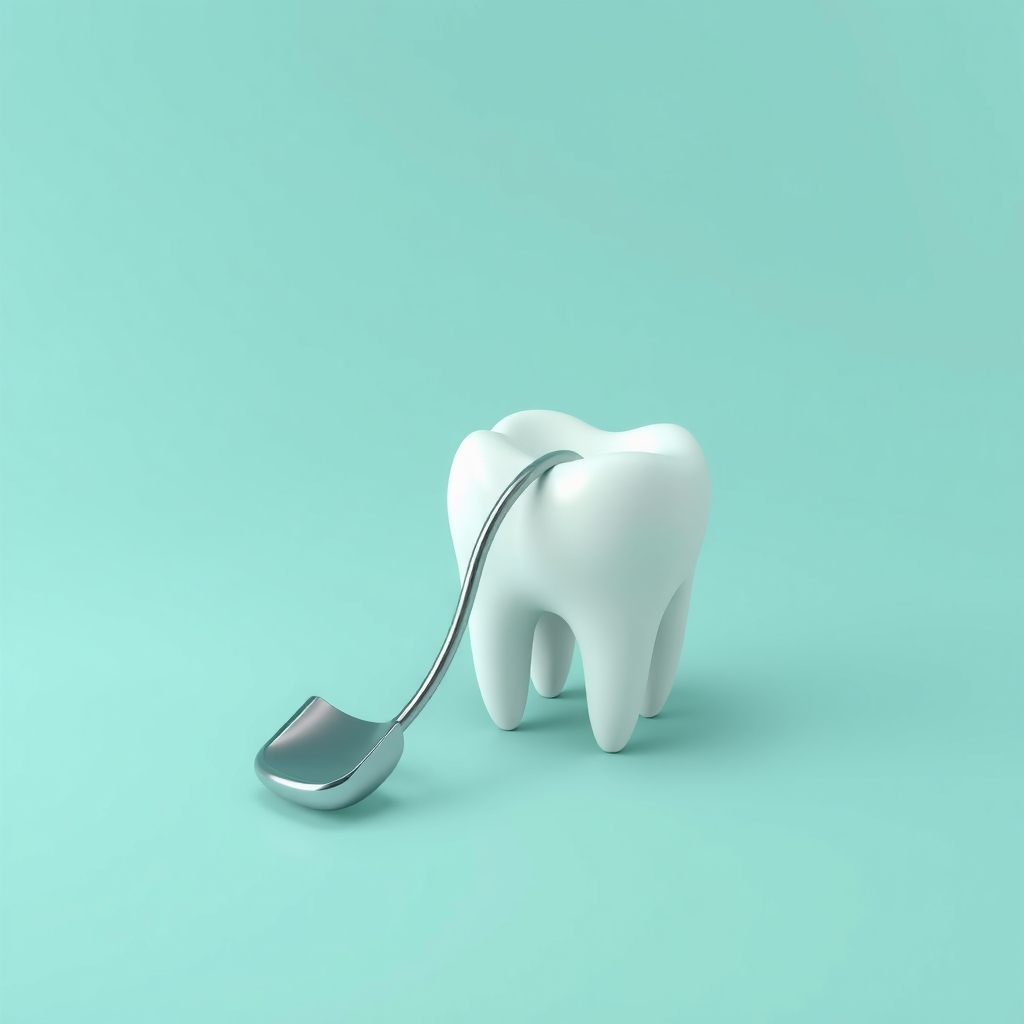
A tongue scraper is a thin, curved tool, usually made of plastic or metal, designed specifically to glide across the tongue and lift away the coating in one smooth motion. Many people find scrapers more effective because they cover a wider surface area and do not push debris back into the mouth the way a brush might.
Tongue Brushes
Some toothbrushes come with a ridged tongue cleaner built into the back of the brush head. This is a convenient option if you want to clean your tongue right after brushing without reaching for a separate tool. However, brushes tend to be less thorough than dedicated scrapers, particularly for the back of the tongue where odour-causing bacteria tend to concentrate.
| Feature | Tongue Scraper | Tongue Brush |
|---|---|---|
| Effectiveness | Generally more thorough | Moderate |
| Convenience | Separate tool needed | Built into toothbrush |
| Gag reflex | Can trigger it if used too far back | Similar risk |
| Cost | Low, reusable | Included with toothbrush |
Proper Technique for Tongue Cleaning
Technique matters as much as the tool you choose. Here is a simple approach that works well for most people:
- Stick your tongue out as far as comfortably possible.
- Place the scraper or brush towards the back of the tongue, without forcing it too far to avoid gagging.
- Gently pull the tool forward towards the tip of the tongue using light, even pressure.
- Rinse the tool under water to remove the debris collected.
- Repeat two to three times, moving slightly sideways each time to cover the whole surface.
- Rinse your mouth with water once finished.
Avoid pressing too hard, as this can irritate the tongue's surface or cause small cuts. Gentle, repeated strokes are more effective than one aggressive pass.
Fitting Tongue Cleaning Into Your Daily Routine
The best time to clean your tongue is in the morning, before eating or drinking, since this is when bacterial buildup tends to be at its highest after a night's sleep. Some people also like to clean their tongue at night as part of their bedtime routine. Either way, consistency matters more than timing.
Tongue cleaning takes less than a minute but can make a noticeable difference to how fresh your mouth feels throughout the day. It also complements brushing and flossing rather than replacing them, since each step targets a different part of the mouth.
When to See a Dentist
If you notice persistent bad breath despite regular tongue cleaning, brushing, and flossing, it may be worth getting a dental check-up. Bad breath can sometimes be linked to gum disease, dry mouth, or other underlying issues that need professional attention rather than home care alone.
Patients in DLF Phase 4, Gurgaon, looking for guidance on building a complete oral hygiene routine can visit EXL Dentists at Galleria Boulevard for a check-up and personalised advice. You can reach the clinic at +91 99101 19555 to book an appointment.
Have questions about your teeth?
EXL Dentists · Galleria Boulevard, DLF Phase IV, Sector 43
Frequently asked questions
Can I use my toothbrush instead of a tongue scraper?
Yes, a toothbrush can work, but a tongue scraper is often more effective because it is designed to lift debris rather than push it around. If you prefer using a brush, choose one with a built-in tongue cleaner on the back.
How often should I clean my tongue?
Once a day is enough for most people, ideally in the morning before eating or brushing. Some people with strong bad breath may benefit from cleaning both morning and night.
Does tongue cleaning really help with bad breath?
Yes, in most cases. A large portion of mouth odour comes from bacteria and food debris sitting on the tongue's surface, so regular cleaning can noticeably reduce breath odour.
Is it normal to gag while cleaning my tongue?
Mild gagging is common, especially at the back of the tongue. Starting gently, breathing through your nose, and gradually moving further back over time usually helps reduce this reflex.
Treatment costs mentioned on this page are indicative ranges for the DLF Phase 4, Gurgaon region. Your exact cost depends on your case and will be confirmed after a clinical examination at the clinic.