Tooth Enamel Erosion: Causes, Prevention, and Early Management
If your teeth have started looking a little more yellow, feel rough at the edges, or react sharply to cold water or ice cream, the cause is often gradual enamel erosion. Enamel is the hard, protective outer layer of your teeth, and once it wears away, it does not come back on its own. Many patients we see at our clinic in DLF Phase 4, Gurgaon come in noticing these changes without realizing what is causing them. This article explains the common causes and practical steps to slow or stop further wear.
What Is Enamel Erosion
Enamel erosion is the gradual loss of the tooth's outer surface due to acid exposure, rather than bacteria as in tooth decay. Acids soften enamel temporarily, and repeated exposure over months or years wears it down permanently. Unlike a cavity, erosion tends to affect the whole tooth surface rather than one isolated spot.
Common Signs to Watch For
- Increased sensitivity to cold, hot, sweet, or sour foods
- Teeth appearing more yellow as the underlying dentin shows through
- Rounded or smoother-looking edges on front teeth
- Small cracks or chips appearing more easily
- A shiny, slightly translucent look near the biting edges
What Causes Enamel Erosion
Several everyday habits and conditions can contribute to erosion, often combining over time.
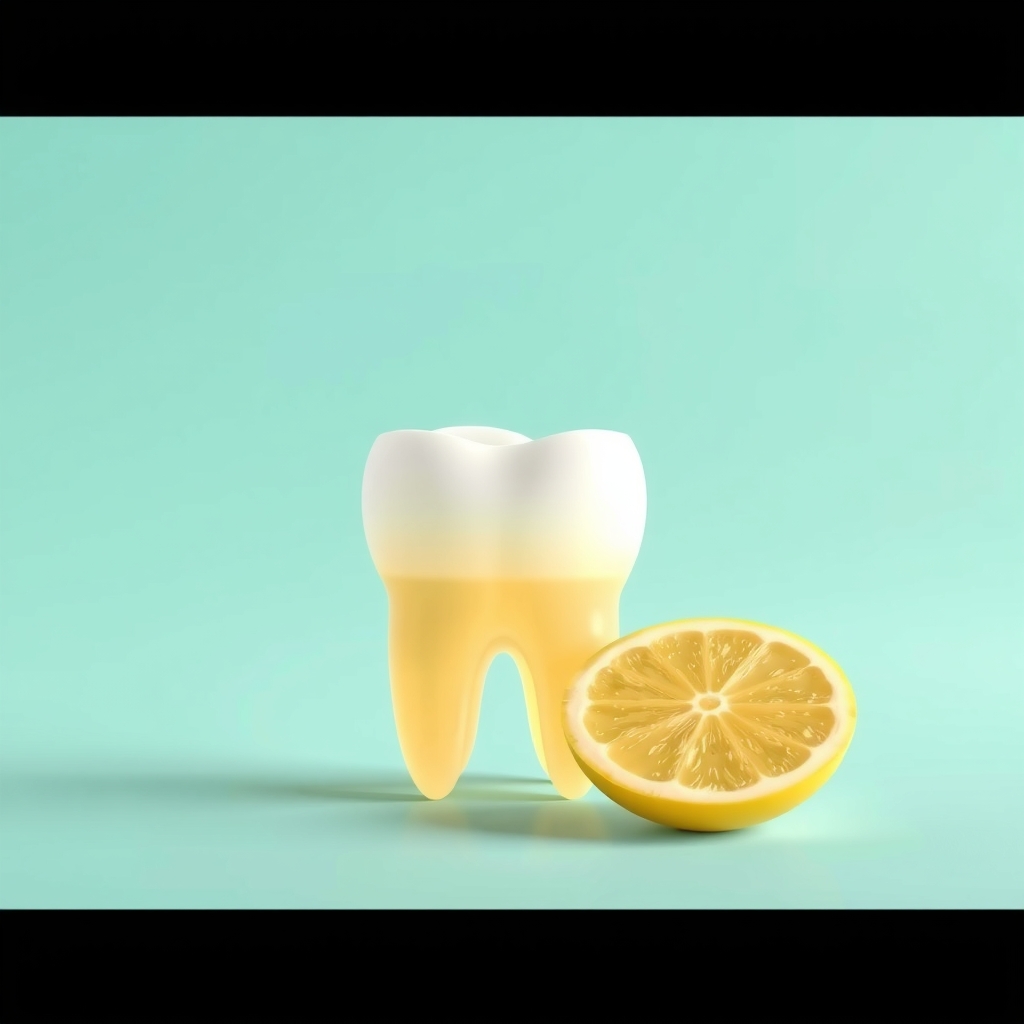
Acidic Foods and Drinks
Citrus fruits, vinegar-based dressings, pickles, and fruit juices are naturally acidic. Occasional consumption is not usually a concern, but frequent sipping or snacking throughout the day keeps enamel under constant acid attack.
Carbonated and Sugary Drinks
Sodas, including diet versions, contain acids such as phosphoric and citric acid that soften enamel. The sugar in regular soda adds a second risk by feeding decay-causing bacteria.
Acid Reflux and GERD
Gastroesophageal reflux disease (GERD) brings stomach acid up into the mouth, which is far stronger than food-based acids. Patients with untreated reflux often show erosion on the inner (tongue-side) surfaces of their upper teeth first, since that is where the acid tends to pool.
Frequent Vomiting
Conditions involving repeated vomiting, including some pregnancy-related nausea, also expose teeth to stomach acid and can accelerate erosion if not managed carefully.
Dry Mouth
Saliva naturally neutralizes acids and helps remineralize enamel. Reduced saliva flow, from certain medications, mouth breathing, or medical conditions, removes this natural protection.
Overly Aggressive Brushing
Brushing too hard, especially right after eating or drinking something acidic, can wear away enamel that is temporarily softened, speeding up the erosion process.
How to Prevent Further Erosion
- Limit how often you sip acidic or carbonated drinks; drinking through a straw can reduce contact with front teeth
- Rinse with plain water after acidic foods or drinks instead of brushing immediately
- Wait at least 30 minutes before brushing after consuming anything acidic
- Use a soft-bristled toothbrush and gentle, circular brushing motions
- Chew sugar-free gum after meals to encourage saliva flow
- Stay hydrated to support natural saliva production
- Get GERD or reflux symptoms evaluated and managed with your physician
How We Manage Enamel Erosion
At our clinic in DLF Phase 4, Gurgaon, we start by identifying the pattern and likely cause of erosion, since treatment differs depending on whether the source is dietary, reflux-related, or brushing technique. Common approaches include:
- Fluoride treatments to help strengthen remaining enamel and reduce sensitivity
- Sensitivity toothpaste recommendations tailored to your specific symptoms
- Dental bonding or tooth-colored restorations for areas with visible enamel loss
- Custom guidance on diet and habit changes based on your specific triggers
- Referral for reflux evaluation when erosion pattern suggests GERD involvement
| Situation | Typical Approach |
|---|---|
| Mild sensitivity, early wear | Fluoride application, toothpaste change, habit adjustment |
| Visible enamel thinning or edges chipping | Bonding or minor restorative work to protect the tooth |
| Erosion pattern suggesting reflux | Dental protection plus referral for GERD management |
Enamel erosion develops slowly, which is exactly why it is easy to miss until sensitivity or discoloration becomes noticeable. Catching it early gives you far more options to protect your teeth for the long run.
Have questions about your teeth?
EXL Dentists · Galleria Boulevard, DLF Phase IV, Sector 43
Frequently asked questions
Can eroded enamel grow back?
No, enamel does not regenerate once it is lost because it has no living cells. However, early softening from acid exposure can sometimes be strengthened with fluoride before permanent loss occurs. This is why catching erosion early matters.
How do I know if I have enamel erosion or just staining?
Erosion often comes with sensitivity to cold, sweet, or hot foods, along with a smoother, sometimes yellowish and translucent look at the edges of teeth. Staining alone usually does not cause sensitivity. A dental check-up can tell the two apart clearly.
Is it safe to brush right after drinking soda or citrus juice?
It is better to wait at least 30 minutes. Enamel is temporarily softened by acid, and brushing immediately can wear it away faster. Rinsing with plain water first is a safer immediate step.
Does enamel erosion always lead to cavities?
Not always, but thinner enamel gives less protection against decay-causing bacteria and makes teeth more sensitive. Managing erosion early reduces the risk of both sensitivity and future cavities.
Treatment costs mentioned on this page are indicative ranges for the DLF Phase 4, Gurgaon region. Your exact cost depends on your case and will be confirmed after a clinical examination at the clinic.