Professional Fluoride Treatments: What They Do and Who Needs Them
Most of us grew up hearing that fluoride toothpaste is enough to keep cavities away. For many people, it is. But some patients need extra protection that toothpaste alone cannot give. Professional fluoride treatments, done in a dental clinic, are a simple and well-studied way to strengthen teeth and lower cavity risk for those who need it most.
What Does Professional Fluoride Treatment Actually Do?
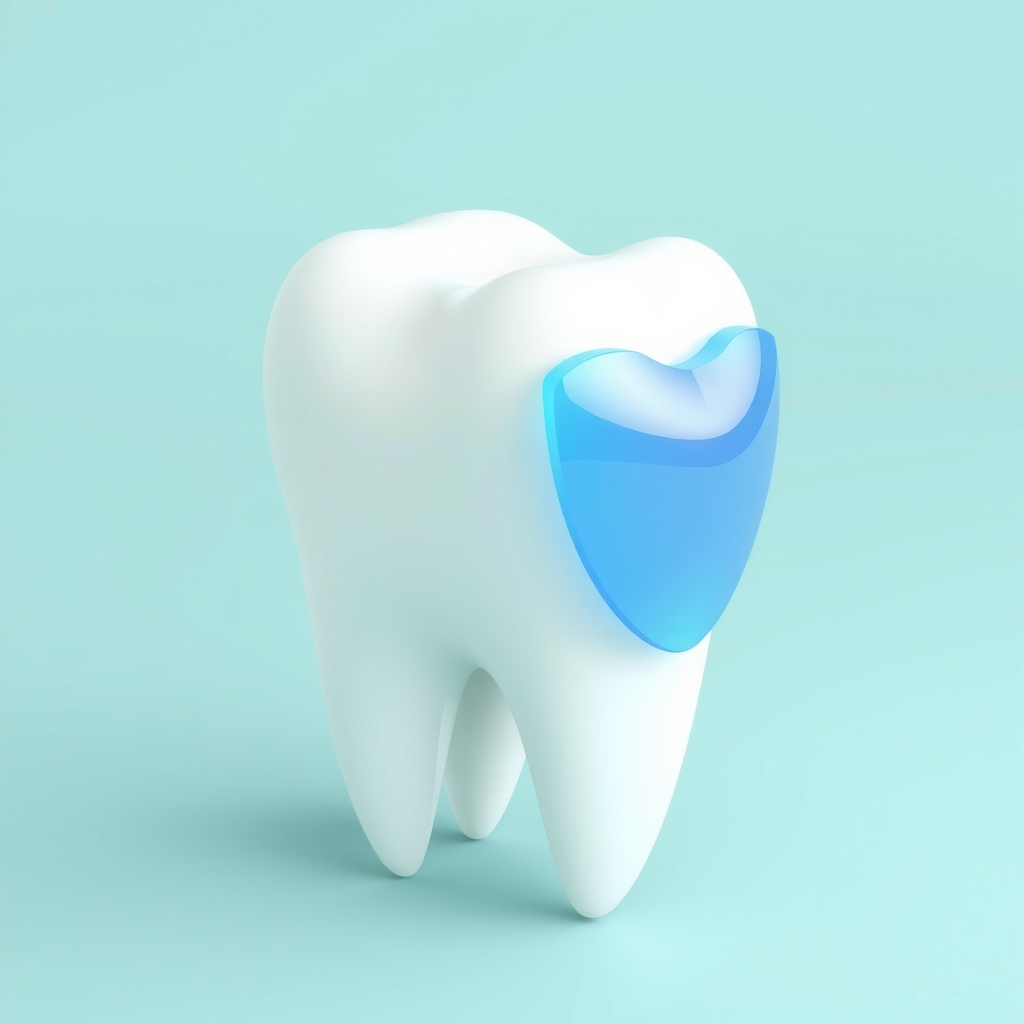
Fluoride works by helping to rebuild and strengthen the outer layer of the tooth, called enamel. Enamel is constantly losing and regaining minerals through normal eating and drinking. Fluoride speeds up the process of regaining minerals and makes enamel more resistant to the acids produced by bacteria in plaque.
In a clinic, fluoride is applied in a much higher concentration than what is found in toothpaste or mouthwash. It usually comes as a gel, foam, or varnish that is painted or placed on the teeth for a short time. This higher strength allows it to penetrate enamel more effectively and offer longer-lasting protection.
How Is It Different From Fluoride Toothpaste?
Toothpaste is designed for daily, low-dose use over a lifetime. It is safe to swallow small amounts and is meant to give steady, ongoing protection. Professional fluoride treatments are different in three main ways:
- Strength: In-clinic fluoride is significantly more concentrated than toothpaste.
- Contact time: The dentist ensures it stays on the tooth surface for the right amount of time to be absorbed properly, something brushing for two minutes cannot fully achieve.
- Targeted use: It can be applied to specific weak spots, such as areas of early decay or exposed roots, rather than a general coating.
Simply put, toothpaste maintains your enamel day to day, while professional fluoride gives it a concentrated boost when your teeth need extra help.
Who Benefits Most From In-Clinic Fluoride Treatment?
Children and Teenagers
Young permanent teeth have enamel that is still maturing and slightly more porous, which makes them more prone to cavities. Fluoride treatments during regular dental visits can help protect newly erupted molars, especially in children who have a habit of snacking often or who find brushing thoroughly a challenge.
Adults With High Cavity Risk
Some adults are simply more prone to cavities due to deep grooves in their teeth, past history of multiple fillings, orthodontic appliances like braces, or a diet high in sugary or acidic foods. For these patients, periodic fluoride treatments can reduce the chances of new decay forming.
Patients With Dry Mouth
Saliva plays a big role in protecting teeth naturally, as it washes away food particles and neutralises acids. Conditions like diabetes, certain medications, or radiation therapy can reduce saliva flow and lead to dry mouth. Without enough saliva, cavity risk increases sharply, making fluoride treatment particularly valuable for these patients.
People With Exposed Roots or Sensitivity
Gum recession can expose the root surface of a tooth, which lacks the hard enamel layer and is more vulnerable to decay and sensitivity. Fluoride application can help strengthen this area and reduce discomfort from hot, cold, or sweet foods.
What to Expect During the Procedure
The process is quick and painless. It usually takes only a few minutes and involves:
- Cleaning the teeth briefly to remove surface plaque.
- Applying fluoride gel, foam, or varnish using a tray, brush, or swab.
- Asking you to avoid eating, drinking, or rinsing for about 30 minutes afterward, so the fluoride has time to work.
There is no discomfort during or after the treatment, though some varnishes may leave a slight yellowish tinge on teeth temporarily, which brushes off later.
| Aspect | Fluoride Toothpaste | Professional Fluoride Treatment |
|---|---|---|
| Fluoride concentration | Low, for daily use | Much higher, applied occasionally |
| Frequency | Twice daily | Every few months to once or twice a year |
| Best for | General maintenance | High-risk patients and targeted problem areas |
Do You Need It?
Not everyone requires professional fluoride treatment. Patients with good oral hygiene, low cavity history, and normal saliva flow may do perfectly well with fluoride toothpaste alone. However, if you or your child fall into one of the higher-risk groups mentioned above, it is worth discussing this option during a routine dental visit. Patients in DLF Phase 4, Gurgaon can have their cavity risk assessed during a regular check-up, and the dentist can recommend whether fluoride treatment would add real value for their specific situation.
Have questions about your teeth?
EXL Dentists · Galleria Boulevard, DLF Phase IV, Sector 43
Frequently asked questions
Is professional fluoride treatment painful?
No. It is completely painless. The dentist simply applies a gel, foam, or varnish to your teeth and it takes only a few minutes.
How often should I get a fluoride treatment?
Most people benefit from once or twice a year, but high-risk patients such as those with dry mouth or active cavities may need it every three to four months. Your dentist will suggest a schedule based on your oral health.
Can adults get fluoride treatment, or is it only for kids?
Adults benefit too, especially those with a history of cavities, dry mouth, gum recession, or exposed roots. It is not limited to children.
Will fluoride treatment replace the need for good brushing and flossing?
No. It works alongside daily brushing and flossing, not instead of them. Think of it as an extra layer of protection, not a substitute for home care.
Treatment costs mentioned on this page are indicative ranges for the DLF Phase 4, Gurgaon region. Your exact cost depends on your case and will be confirmed after a clinical examination at the clinic.