A Parent's Guide to the Ideal Age for an Orthodontic Evaluation
Many parents in DLF Phase 4, Gurgaon wait until their child is a teenager before thinking about braces. But orthodontic evaluation is recommended much earlier, even while a child still has several baby teeth. Knowing the right timeline helps you make calm, informed decisions instead of rushed ones later.
Why age 7 is the recommended starting point
Most dental associations recommend that children have their first orthodontic evaluation by around age 7. At this age, a mix of baby and permanent teeth is usually present, which gives an orthodontist enough information to spot developing problems early, well before they become harder to correct.
This does not mean treatment starts at age 7. In most cases, the evaluation simply confirms that growth is on track and no action is needed yet. The visit is about monitoring, not necessarily starting braces.
What the dentist is actually checking for
- How the upper and lower jaws are growing in relation to each other
- Whether there is enough space for permanent teeth to come in properly
- Early signs of crossbite, underbite, or overbite
- Habits like thumb sucking, tongue thrusting, or mouth breathing that can affect bite development
- Any teeth coming in at odd angles or erupting too early or too late
Interceptive (early) treatment versus waiting
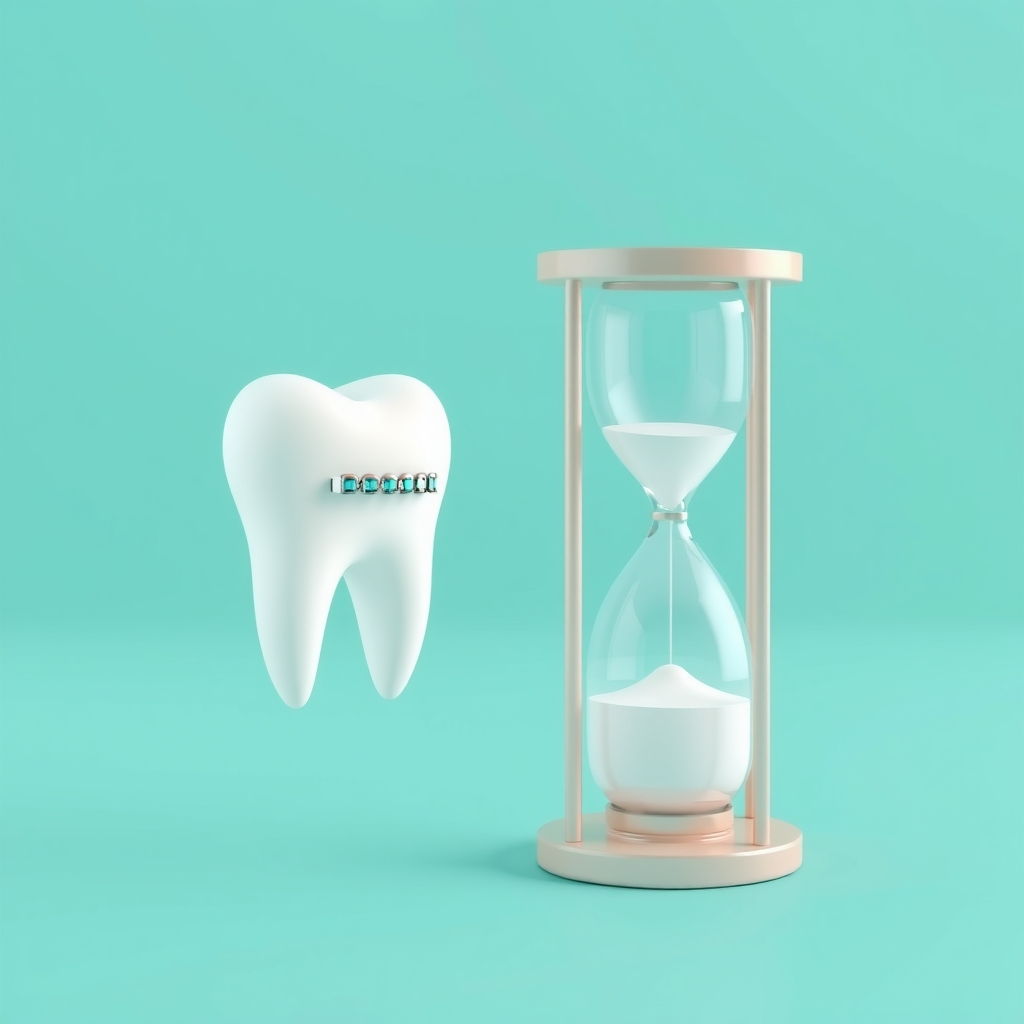
Interceptive orthodontics refers to limited, early treatment done while a child still has baby teeth, usually between ages 7 and 10. It is not the same as full braces. The goal is to guide jaw growth or create space, not to achieve a final, perfect smile at this stage.
When early treatment is usually recommended
- Significant crossbite of the back or front teeth, which can affect jaw growth if left alone
- Severe crowding where there is clearly not enough space for permanent teeth
- Jaws that are noticeably narrow, sometimes treated with a palate expander
- Habits like prolonged thumb sucking that are actively shifting tooth or jaw position
- Protruding front teeth that are at higher risk of injury or are affecting the child's confidence
When it is better to wait
In many cases, the evaluation shows mild crowding or minor spacing issues that are likely to improve, or at least become clearer, once more permanent teeth erupt. In these situations, the sensible approach is periodic monitoring rather than starting treatment immediately. Treating too early when it is not needed can mean a longer overall time in braces, since a second phase may still be required later.
| Age range | What usually happens |
|---|---|
| 7 to 9 years | First evaluation, monitoring, interceptive treatment if a clear problem is identified |
| 9 to 11 years | Continued monitoring, space maintenance if baby teeth are lost early |
| 11 to 14 years | Most permanent teeth are in, full braces or clear aligners usually considered here |
What full braces treatment looks like later
Once most or all permanent teeth have erupted, usually between ages 11 and 14, the orthodontist can plan comprehensive treatment with braces or clear aligners. This phase addresses the final alignment of teeth and bite, and is the stage most people associate with "getting braces."
If your child had interceptive treatment earlier, this second phase is often shorter and more straightforward, since the jaw-related groundwork has already been done.
Understanding the cost side
Orthodontic costs vary depending on whether a child needs a simple space maintainer, a palate expander, limited interceptive treatment, or full braces later. In DLF Phase 4, Gurgaon, the typical range for an initial orthodontic evaluation and consultation is modest, while interceptive appliances and full braces treatment involve a wider typical range depending on complexity and duration. Your dentist can give you a clearer estimate only after examining your child and reviewing X-rays, so it is best to avoid comparing quotes without a proper evaluation.
A simple takeaway for parents
If your child is around 7 years old, it is a good time to schedule a first orthodontic evaluation, even if their smile looks fine. Think of it as a growth check-up rather than a sign that braces are imminent. From there, your dentist will tell you honestly whether to act now, wait and watch, or revisit the conversation in a year or two.
Families in DLF Phase 4, Gurgaon can get this evaluation done at EXL Dentists on Galleria Boulevard, where the team assesses both dental and jaw growth before recommending any next step.
Have questions about your teeth?
EXL Dentists · Galleria Boulevard, DLF Phase IV, Sector 43
Frequently asked questions
My child's teeth look straight. Do we still need an evaluation at age 7?
Yes, it is still worth it. Many bite and jaw problems are not visible just by looking at the front teeth. An orthodontist checks how the jaws are growing and how the back teeth fit together, which a parent cannot assess at home.
Does early treatment mean my child will avoid braces later?
Not always. Early (interceptive) treatment often reduces the complexity of later treatment or the chance of extractions, but many children still need a second, shorter phase of braces once all permanent teeth arrive.
What if we missed the age 7 checkpoint and my child is already 11 or 12?
It is not too late. Bring your child in for an evaluation as soon as you can. The dentist will assess the current stage of dental and jaw development and recommend the right next step.
Are thumb sucking and mouth breathing really linked to bite problems?
Yes, prolonged thumb sucking, tongue thrusting, and chronic mouth breathing can affect how the jaws and teeth develop. These habits are often part of what an orthodontic evaluation looks for in young children.
Treatment costs mentioned on this page are indicative ranges for the DLF Phase 4, Gurgaon region. Your exact cost depends on your case and will be confirmed after a clinical examination at the clinic.