How to Brush and Floss Properly While Wearing Braces
Braces do a great job of straightening teeth, but they also create extra nooks where food and plaque can hide. Many patients in DLF Phase 4, Gurgaon come to us worried about white spots, staining, or swollen gums a few months into treatment. The good news is that most of these problems are avoidable with the right daily routine. This guide covers practical, easy to follow steps for brushing, flossing, and using interdental tools while you have braces.
Why Oral Hygiene Matters More with Braces
Brackets and wires trap food particles and bacteria more easily than smooth teeth. If plaque is not removed regularly, it can lead to:
- White spot lesions around brackets, which are early signs of enamel demineralisation
- Cavities, especially near the gumline and between teeth
- Gum inflammation or bleeding, sometimes called gingivitis
- Bad breath from trapped food debris
None of this is inevitable. A consistent routine, done properly, keeps your teeth and gums healthy right through to the day your braces come off.
Brushing Technique for Braces
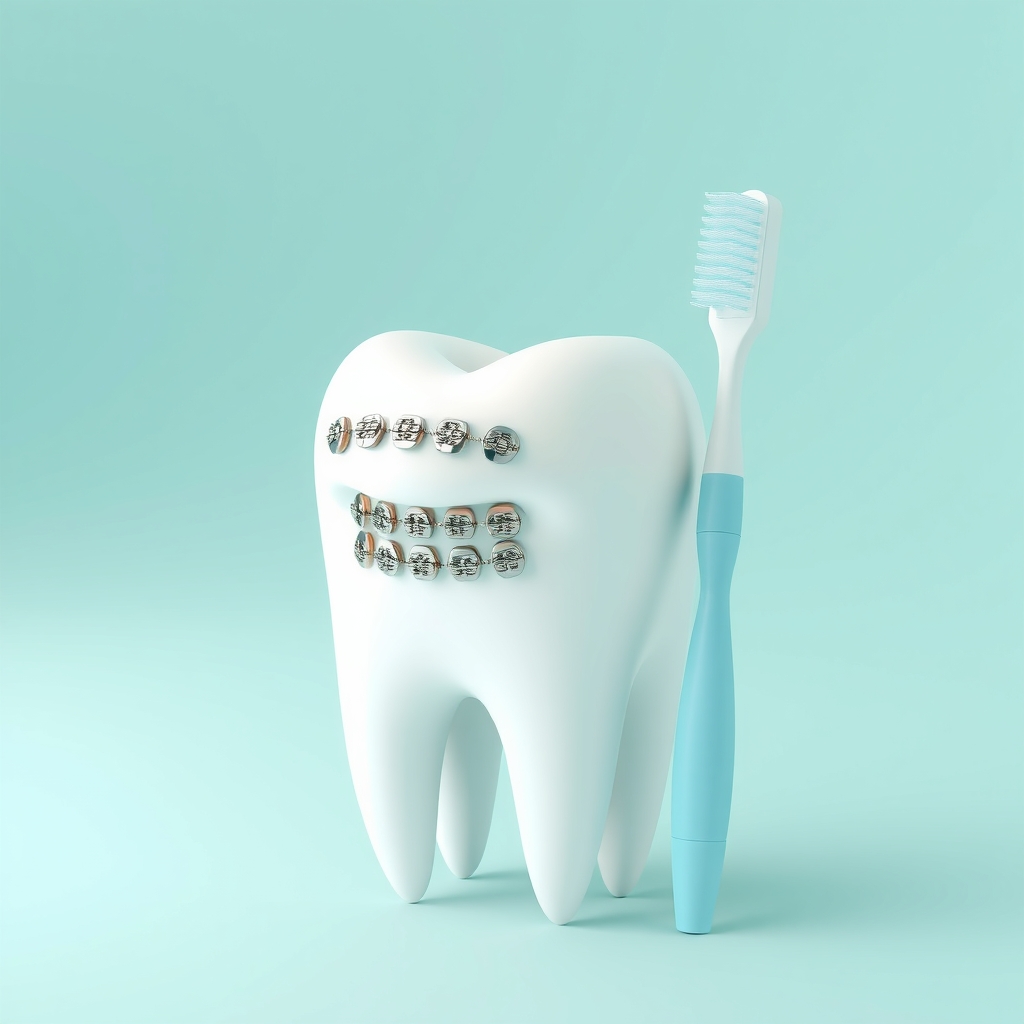
Standard brushing is not quite enough with brackets in the way. Here is how to adjust:
- Use a soft bristled toothbrush, manual or electric, and a fluoride toothpaste.
- Angle the brush at 45 degrees toward the gumline, then brush gently above and below each bracket.
- Brush each tooth individually, moving in small circles rather than long side to side strokes.
- Do not forget the chewing surfaces and the inside surfaces of your teeth.
- Finish by brushing your tongue to reduce bacteria and freshen breath.
A full brushing session with braces usually takes three to four minutes, longer than the standard two minutes, simply because there is more surface area to clean carefully.
Tools That Make Brushing Easier
- Orthodontic toothbrush: Has a V-shaped bristle pattern designed to clean around brackets.
- Electric toothbrush: Can be effective with braces if used gently and systematically, tooth by tooth.
- Interdental brush: Small brushes that slide under the wire and between brackets to remove trapped food.
Flossing with Braces
Flossing is trickier with a wire running across your teeth, but it is still essential for cleaning between teeth where a toothbrush cannot reach.
Using a Floss Threader
A floss threader is a small plastic loop that helps guide floss underneath the archwire. Thread the floss through the loop, pass it under the wire, then floss between the two teeth as you normally would, moving it up and down gently along each tooth surface.
Orthodontic Floss
Some floss comes with a stiffened end specifically designed for braces, removing the need for a separate threader. This can save time once you get used to the technique.
Water Flossers
A water flosser uses a thin stream of pressurised water to flush out debris from between teeth and around brackets. It is generally faster and easier than string floss, though it works best when combined with an interdental brush for areas with tightly packed food.
Daily Routine Checklist
| Time | What to Do |
|---|---|
| Morning | Brush for 3-4 minutes, use an interdental brush around brackets |
| After meals | Rinse with water, brush if possible, especially after sticky or sugary foods |
| Evening | Brush thoroughly, floss with a threader or water flosser, use fluoride mouthwash if recommended |
Foods and Habits to Be Mindful Of
Sticky, hard, or very sugary foods increase the risk of plaque buildup and can even damage brackets or wires. It helps to limit toffees, hard nuts, ice chewing, and fizzy drinks. Fibrous fruits and vegetables can be cut into smaller pieces to reduce strain on the wires.
Regular Dental Visits Still Matter
Even with excellent home care, professional cleanings during your orthodontic treatment help catch early signs of plaque buildup, gum irritation, or white spots before they become bigger problems. Patients visiting our clinic on Galleria Boulevard, DLF Phase IV, Sector 43 for braces adjustments often combine the visit with a quick hygiene check, which is an efficient way to stay on track. If you notice persistent bleeding, sore spots, or a broken bracket, call us at +91 99101 19555 rather than waiting for your next scheduled appointment.
Have questions about your teeth?
EXL Dentists · Galleria Boulevard, DLF Phase IV, Sector 43
Frequently asked questions
How many times a day should I brush with braces?
Brush after every meal and snack if possible, or at least twice a day for two minutes, plus a rinse with water after eating when brushing is not possible.
Why do my gums bleed more since getting braces?
Braces create more places for plaque to collect, which can irritate gums. This usually improves within one to two weeks once your cleaning routine adjusts, but persistent bleeding should be checked by your dentist.
Can I use a water flosser instead of string floss with braces?
Yes, a water flosser is a good option and often easier around wires and brackets. Many people use it alongside a floss threader or interdental brush for the best results.
Will braces cause permanent white spots on my teeth?
White spots happen when plaque sits on enamel too long around brackets. With consistent brushing, flossing, and fluoride use, they are largely preventable and treatable if caught early.
Treatment costs mentioned on this page are indicative ranges for the DLF Phase 4, Gurgaon region. Your exact cost depends on your case and will be confirmed after a clinical examination at the clinic.