Types of Malocclusion: Understanding Your Bite Problem
Malocclusion simply means your upper and lower teeth do not line up the way they ideally should when you bite down. It is extremely common, and many people in DLF Phase 4, Gurgaon live with some degree of it without realising there is a specific name for their bite pattern. Understanding which type you have can help you have a more informed conversation at your next dental visit.
What Causes Malocclusion
Most bite problems develop from a mix of the following factors:
- Genetics, including jaw size and shape inherited from parents
- Childhood habits like thumb sucking, prolonged pacifier use, or tongue thrusting
- Early loss of baby teeth or delayed loss of baby teeth
- Mouth breathing due to blocked nasal passages or enlarged tonsils
- Injury to the jaw or face
- Missing teeth or extra teeth affecting alignment
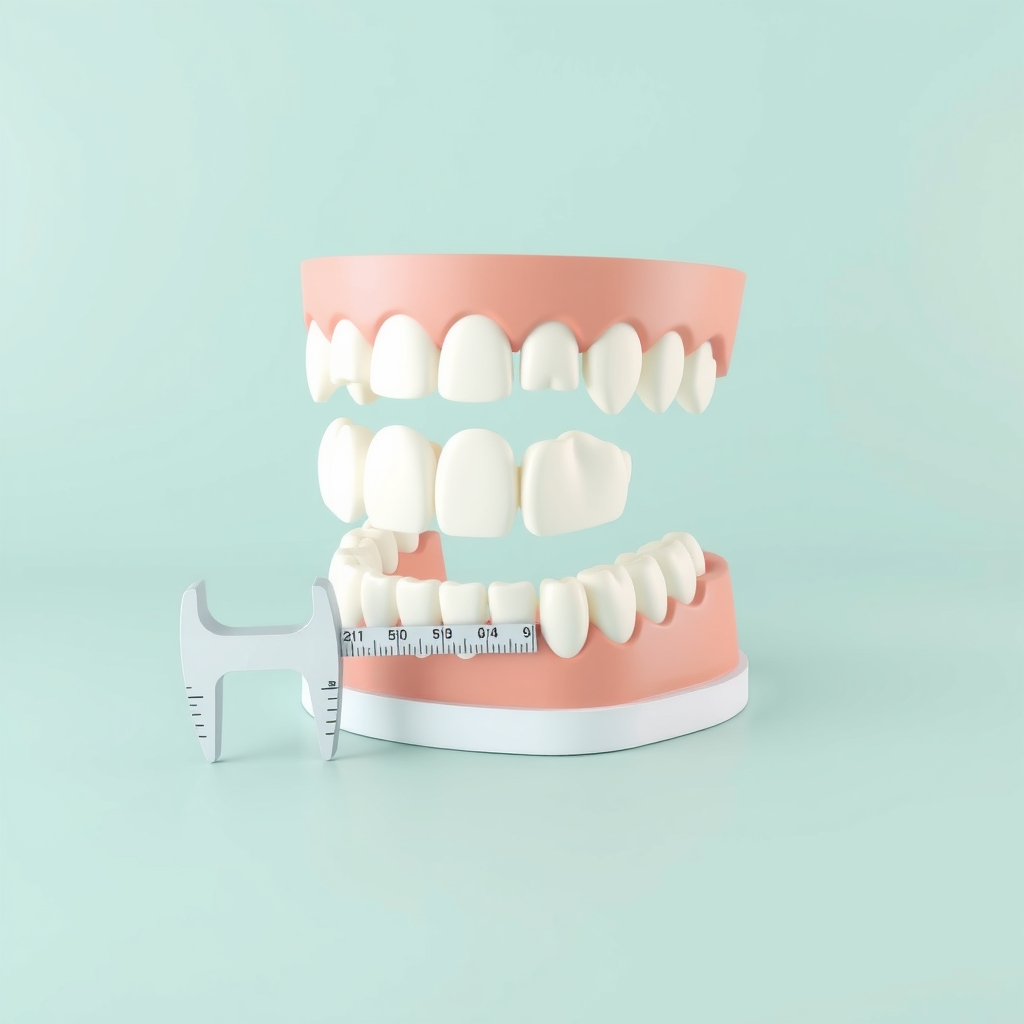
Common Types of Malocclusion
Overbite
An overbite is when the upper front teeth extend noticeably over the lower front teeth. A small amount of overlap is normal, but a deep overbite means the lower teeth may barely show or even touch the roof of the mouth or gums when biting.
Symptoms: Jaw discomfort, worn lower front teeth, difficulty biting into food comfortably, and sometimes a fuller lower facial appearance.
Underbite
An underbite is the opposite pattern, where the lower front teeth sit in front of the upper teeth. This often happens because the lower jaw is larger than the upper jaw or the upper jaw is underdeveloped.
Symptoms: A protruding chin appearance, trouble chewing certain foods, and speech changes in some cases.
Crossbite
A crossbite occurs when some upper teeth sit inside the lower teeth instead of outside, either on one side (unilateral) or both sides (bilateral). It can affect front teeth or back teeth.
Symptoms: Uneven tooth wear, a jaw that shifts to one side when closing, and in some cases facial asymmetry over time if untreated.
Open Bite
An open bite means the upper and lower front teeth do not touch when the back teeth are together, leaving a visible gap. It is often linked to thumb sucking, tongue thrusting, or prolonged pacifier habits in childhood.
Symptoms: Difficulty biting into food like sandwiches or fruit, speech sounds like a lisp, and visible gap between front teeth even when the mouth is closed.
Crowding
Crowding happens when there is not enough space in the jaw for all the teeth to line up straight, causing them to overlap, twist, or come in at odd angles.
Symptoms: Teeth that look bunched together, difficulty flossing between crowded areas, and a higher chance of trapped food and plaque buildup.
| Type | What It Looks Like | Common Cause |
|---|---|---|
| Overbite | Upper teeth cover lower teeth heavily | Jaw growth pattern, genetics |
| Underbite | Lower teeth sit in front of upper teeth | Lower jaw overgrowth |
| Crossbite | Upper teeth sit inside lower teeth on one or both sides | Narrow upper jaw, uneven growth |
| Open bite | Front teeth do not meet when biting down | Thumb sucking, tongue thrusting |
| Crowding | Teeth overlap due to lack of space | Small jaw, large teeth, genetics |
Correction Options
Treatment depends on the type and severity of the malocclusion, your age, and how the jaw bones are developing. Common approaches include:
- Traditional metal or ceramic braces for moderate to severe misalignment
- Clear aligners for mild to moderate cases where discreet treatment is preferred
- Palatal expanders in growing children to widen a narrow upper jaw
- Retainers to hold teeth in place after active treatment
- Tooth extraction in select crowding cases to create space
- Jaw surgery in severe skeletal cases, usually recommended only after growth is complete
The typical range for orthodontic treatment in DLF Phase 4, Gurgaon varies widely depending on the type of appliance and duration of treatment, so an in-person assessment is the only reliable way to get an accurate estimate for your specific case.
When to See a Dentist
If you notice your teeth do not meet evenly, you have trouble chewing on one side, your jaw clicks or feels tired often, or your child has ongoing thumb sucking past age four, it is worth getting a bite assessment. Early identification, especially in children, can make correction simpler and sometimes shorter in duration.
Have questions about your teeth?
EXL Dentists · Galleria Boulevard, DLF Phase IV, Sector 43
Frequently asked questions
Can malocclusion get worse if left untreated?
Yes, in many cases. Crowding can increase over time, and bite problems can add stress to jaw joints and wear down teeth unevenly. Getting it evaluated early helps you understand your options before symptoms increase.
Is malocclusion only a childhood problem?
No. While early treatment in children can guide jaw growth, adults can also correct malocclusion with braces, clear aligners, or other options at any age, as long as gums and bone are healthy.
How do I know which type of malocclusion I have?
Some signs are visible, like teeth that do not meet properly or a jaw that looks off centre. However, an accurate diagnosis needs a clinical exam and sometimes X-rays, since more than one type can overlap.
Does malocclusion always need braces?
Not always. Mild cases may just need monitoring or small corrections. Moderate to severe cases usually benefit from braces, aligners, or in rare cases, surgical correction. A dentist can advise what suits your bite.
Treatment costs mentioned on this page are indicative ranges for the DLF Phase 4, Gurgaon region. Your exact cost depends on your case and will be confirmed after a clinical examination at the clinic.