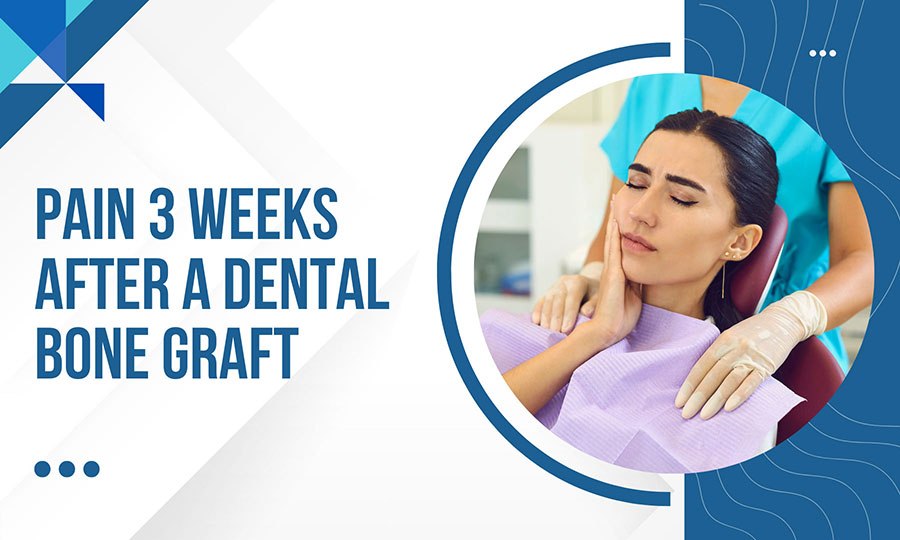
Got a bone graft recently and still feeling pain after three weeks? You are not alone. A dental bone graft is a common procedure to rebuild lost bone, often needed before a dental implant or to fix jaw damage. Some discomfort is expected, but persistent pain might signal an issue. Knowing what’s normal and what’s not can help prevent future complications.
At EXL Dentists , a trusted dental clinic in Gurgaon, we help patients heal smoothly after bone grafts. “Pain that lingers isn’t always a red flag—it’s your body’s way of asking for attention,” says Dr. Priyanka Kumari, leading dentist and founder of EXL Dentists .
Is It Normal to Feel Pain 3 Weeks After a Dental Bone Graft?
Mild pain and swelling are common after a bone graft, especially during the first few days. By the third week, most patients notice significant improvement. If the pain persists or worsens, it could indicate an issue that requires prompt attention from your dentist.
Causes of Pain 3 Weeks After a Bone Graft
The bone graft healing time varies for each individual. Persistent pain may be due to several factors:
Healing Process
The bone graft may still be settling into place, and mild discomfort is expected as your body adjusts. Maintaining oral hygiene is key—consider reading how to prevent cavities naturally to avoid complications during recovery.
Swelling and Tissue Regeneration
Some swelling in the grafted area is normal for a few weeks. Surrounding gums and muscles may also adjust, causing mild irritation. If swelling persists, checking tips in the gum disease treatment guide can help maintain gum health and reduce inflammation.
Infection
If pain increases or is accompanied by redness, warmth, or fever, an infection might be present and requires immediate attention. Advanced procedures like Root Canal Treatment may sometimes be necessary to control infection in severe cases.
Excessive Pressure on the Graft
Chewing hard foods or applying pressure to the grafted area can prolong pain. Always follow post-operative care instructions. Incorporating foods that support healthy teeth can help your recovery and reduce stress on the graft.
Graft Rejection or Slower Healing
Rarely, the body may not accept the graft material. Health conditions or lifestyle factors can also slow recovery and cause prolonged discomfort. For alignment issues or bite pressure concerns, treatments like dental braces or aligners can assist in maintaining proper oral balance.
How to Manage Pain 3 Weeks After a Bone Graft
Follow Dentist’s Aftercare Instructions
Stick to the post-operative care plan, including diet, oral hygiene, and prescribed medications. Cosmetic or functional improvements such as Smile Makeover may also be considered once healing is complete for optimal aesthetics.
Pain Relief Medication
Over-the-counter medications like ibuprofen or acetaminophen can help. Consult your dentist before taking any medicine. Maintaining proper oral hygiene and a healthy diet will also reduce post-operative discomfort and support long-term implant success.
Cold Compress
Apply a cold compress to the cheek near the graft site (15 minutes on, 15 minutes off) to reduce swelling and discomfort.
Saltwater Rinse
Rinse gently with warm saltwater to reduce inflammation and support healing.
Avoid Hard or Crunchy Foods
Stick to soft foods for the first few weeks. Hard foods may aggravate nerve pain or cause discomfort. For long-term oral health, consider options like invisible aligners or gum treatment.
Elevate Your Head While Sleeping
Keeping your head elevated can reduce swelling and pain at night.
When to Contact Your Dentist
Contact your dentist if you experience:
- Worsening Pain: Persistent or intensifying pain may indicate infection or improper healing.
- Excessive Swelling: Swelling that grows or doesn’t improve could signal complications.
- Persistent Bleeding: Heavy or prolonged bleeding requires professional evaluation.
- Fever or Chills: May indicate infection needing immediate attention.
- Unusual Discharge: Pus or unusual fluids must be addressed promptly.
- Numbness or Tingling: Sudden sensations around the graft or jaw could indicate nerve involvement.
Conclusion
Experiencing pain 3 weeks after a bone graft can be normal, but persistent discomfort should not be ignored. Contact your dentist for evaluation and follow the aftercare plan for a smooth recovery. At EXL Dentists , we provide expert guidance and support throughout your healing journey.
FAQ About Dental Bone Graft
What symptoms indicate infection?
Worsening pain, swelling, redness, pus discharge, or fever may signal infection. Contact your dentist immediately.
What home remedies help ease pain?
Apply an ice pack in the first 24 hours, rinse with warm saltwater, take OTC pain relievers, rest, and avoid strenuous activity.
Which foods should I avoid after a bone graft?
Avoid hard, crunchy, chewy, spicy, acidic, and very hot foods. Stick to soft foods like yogurt, mashed potatoes, and smoothies.
How do I know if my bone graft is failing?
Persistent pain, swelling, pus, or gum recession around the graft could indicate failure. Consult your dentist immediately