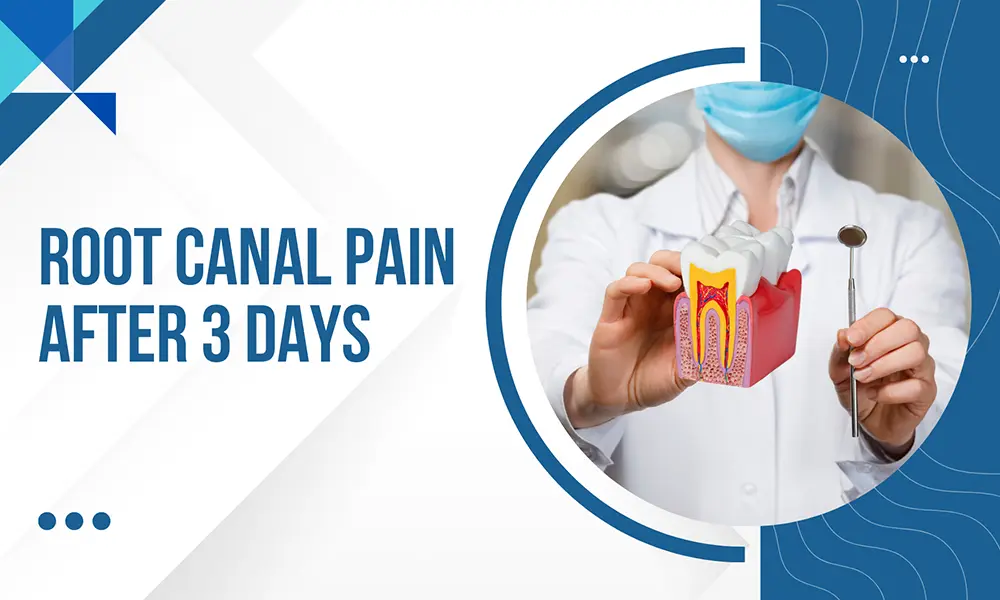
A root canal is a routine dental procedure used to treat infections and save a damaged tooth from extraction. It involves removing infected pulp, cleaning the tooth’s interior, and sealing it to prevent future issues. While most patients recover smoothly, some may experience discomfort a few days after the procedure. Understanding the cause of root canal pain after 3 days can help you manage it effectively.
Dr. Priyanka Kumar, a leading dentist in Gurgaon and founder of EXL Dentists, explains: “Post-root canal discomfort is normal, but persistent pain requires professional evaluation to ensure proper healing.”
With over 15 years of experience and more than 3,000 patients treated, Dr. Priyanka Kumar specializes in root canal treatment, periodontics, oral implantology, and aesthetic dentistry, offering comprehensive care and personalized treatment plans.
Why Is My Tooth Hurting 3 Days After a Root Canal?
Root canal pain after 3 days can occur for several reasons. During the procedure, the infected pulp is removed and the tooth is sealed. While this prevents further decay, the surrounding tissues may remain inflamed, causing sensitivity or discomfort.
Temporary trauma to the ligaments supporting the tooth can also lead to pain, often due to pressure applied during treatment. In some cases, complications such as incomplete cleaning or sealing may allow infection to persist, prolonging discomfort.
Follow your dentist’s post-treatment instructions, including proper oral hygiene and prescribed medications. Persistent or worsening pain should always be evaluated by a dental specialist. You can also consult a general dentist if you’re unsure about the symptoms or next steps.
Causes of Root Canal Pain After 3 Days
- Inflamed Tissues: Cleaning may irritate surrounding tissues, leading to temporary soreness.
- Ligament Strain: Pressure during treatment can stress supporting ligaments.
- Residual Infection: Incomplete cleaning may leave bacteria behind, causing persistent pain.
- High Restoration Bite: A slightly raised filling or crown can create pressure-induced discomfort.
- Missed Canals: Small or extra canals may occasionally go untreated.
- Cracks in the Tooth: Undetected fractures can lead to ongoing pain.
- Material Sensitivity: Allergic reactions to sealing materials may cause discomfort.
How to Manage Root Canal Pain After 3 Days
Over-the-Counter Pain Relief
Medications like ibuprofen or acetaminophen can reduce inflammation and relieve pain. Always follow your dentist’s dosage instructions.
Warm Saltwater Rinse
Rinsing with warm saltwater soothes irritated tissues and reduces inflammation around the treated area.
Cold Compress
Apply an ice pack to the affected side of your face for 10–15 minutes to help reduce swelling and discomfort.
Soft Diet
Stick to soft foods like yoghurt, soups, and mashed vegetables. Avoid hard or sticky foods as they can aggravate pain. If you need restorative care later, you may explore gum treatment to improve overall oral health.
Maintain Oral Hygiene
Brush gently around the treated area and use a dentist‑recommended mouthwash to prevent infections and support healing.
Follow‑Up Appointment
Visit your dentist to ensure proper healing and make any necessary adjustments to crowns or fillings.
When to Contact Your Dentist
- Severe or Increasing Pain: Persistent or worsening discomfort requires immediate evaluation.
- Pain Spreading to Other Areas: Jaw or facial pain is a red flag for professional care.
- Discharge from the Tooth: Pus or unusual fluids need urgent attention.
- Swelling or Fever: Signs of infection should not be ignored.
- Cracked Restoration: Consult your dentist if a crown or filling feels unstable or broken.
- Difficulty Chewing: Persistent chewing pain may indicate alignment issues.
- Numbness or Sensitivity: Unusual sensations lasting beyond recovery require evaluation.
Possible Solutions:
- Check for high restoration — bite adjustment may help.
- Prescription antibiotics for persistent infection, as advised by your dentist.
- Additional cleaning or treatment for residual bacteria.
- Relaxation techniques (gentle massage or mild heat).
- Wear a dental guard if grinding (bruxism) is present.
Conclusion
Root canal pain after 3 days is common and usually manageable with proper care. At EXL Dentists, our dental experts in Gurgaon provide advanced treatment and personalized care to ensure your tooth heals properly and discomfort is minimized. If you’re considering further dental care, you can also explore invisible aligners to maintain optimal oral alignment and comfort.
Frequently Asked Questions About Root Canal Pain
Is pain normal 3 days after a root canal?
Mild pain or sensitivity is normal and typically reduces within a few days.
What are the symptoms of a failed root canal?
Severe pain, swelling, discharge, or persistent sensitivity are warning signs.
How long should pain last after a root canal?
Usually a few days to a week; persistent pain requires evaluation.
What does it mean if the pain worsens after 3 days?
May indicate infection, high bite, or missed canals.
Can I eat normally after a root canal?
Soft foods are recommended until full recovery.