Oral hygiene plays a crucial role in maintaining not just your dental health but your overall well-being. Poor oral hygiene can lead to various dental issues like cavities, gum disease, and even tooth loss. Moreover, studies suggest that untreated oral diseases may contribute to serious health conditions such as heart disease and diabetes. Maintaining good oral hygiene habits ensures a healthier lifestyle and prevents long-term complications.
Why is Oral Hygiene Important?
Oral hygiene is essential because your mouth acts as a gateway to your body. Poor dental care can allow harmful bacteria to enter your bloodstream, affecting other organs. Regular brushing, flossing, and dental check-ups not only protect your teeth but also help in early detection of potential health issues. Maintaining oral hygiene improves confidence, enhances your smile, and ensures long-term dental health.
Prevents Plaque Build-Up and Gum Disease
The primary goal of oral hygiene is to prevent plaque accumulation, which is a sticky layer of bacteria that forms on teeth. If not removed, plaque can harden into tartar, leading to tooth decay and gum infections. Gum diseases like gingivitis and periodontitis can cause bleeding gums, bad breath, and even bone loss.
Professional Gum Treatment helps control advanced gum infections and restores gum health. However, maintaining daily oral care is the first step in preventing such conditions.
Oral Health and Its Impact on Overall Health
Your oral health is directly linked to your overall health. Conditions such as diabetes and cardiovascular diseases often show early symptoms in the mouth. Research has shown that people with periodontal disease have a higher risk of heart-related problems due to increased inflammation in the body.
Poor oral hygiene can also lead to serious complications like bacterial pneumonia, infective endocarditis, pregnancy complications, low birth weight, and even sepsis. Regular visits to a General Dentist can help detect these issues early and prevent them from worsening.
Prevents Tooth Loss
Tooth loss is a common dental issue affecting both children and adults, and poor oral hygiene is one of the main causes. When plaque builds up, it leads to cavities and gum infections, which weaken the supporting structures of the teeth. Over time, this may result in tooth mobility and eventual tooth loss.
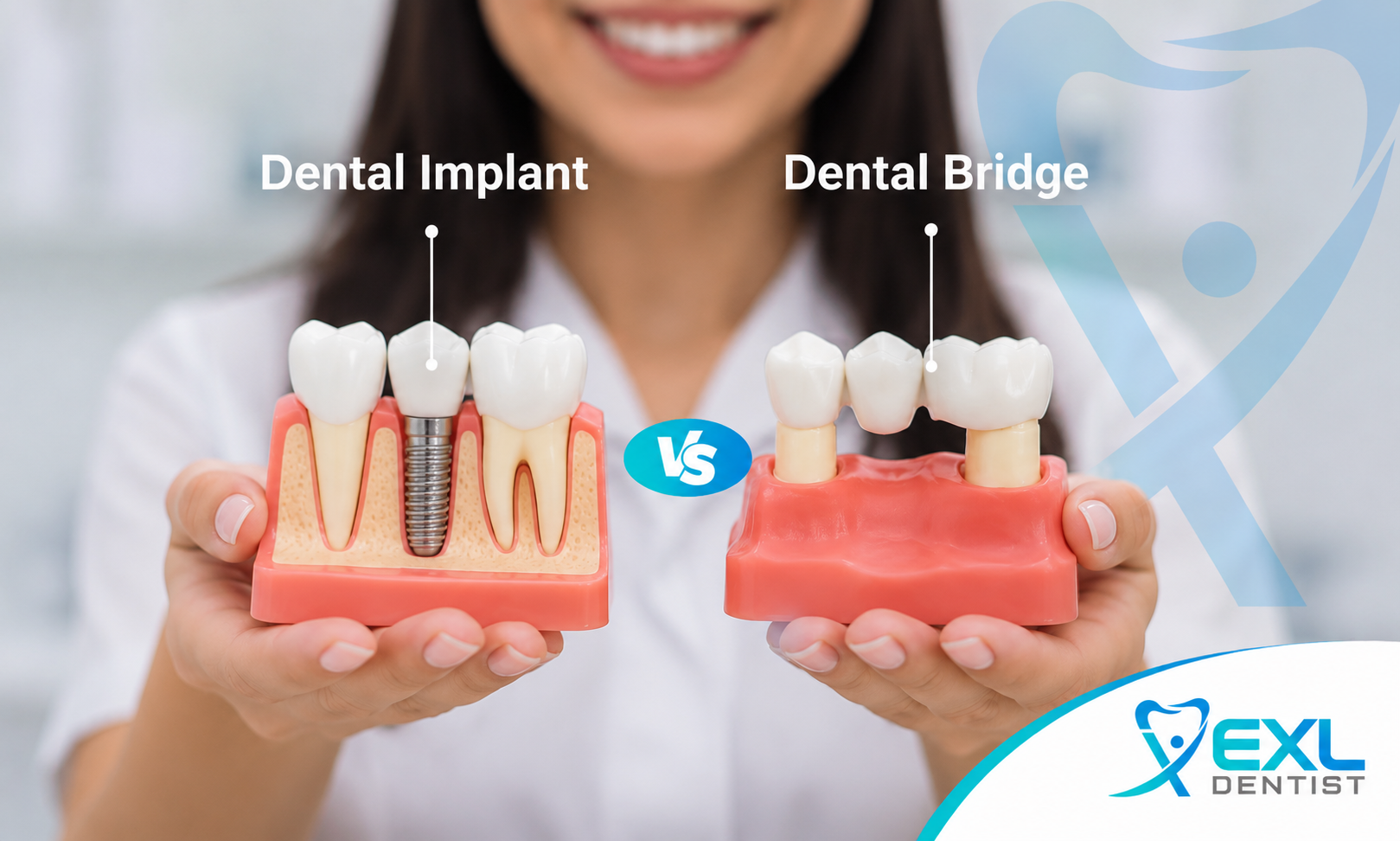
Replacing missing teeth with solutions like Dental Implants can restore function and appearance. However, prevention through proper oral hygiene is always better than treatment.
Helps in Creating a Personalized Treatment Plan
Every individual has unique dental needs, and regular dental check-ups help in identifying specific issues early. Dentists can evaluate your oral condition and recommend customized treatments based on your needs, whether it’s alignment correction, cavity treatment, or cosmetic improvement.
For patients dealing with alignment issues, treatments like Invisible Aligners can help straighten teeth effectively while maintaining aesthetics and comfort.
Improves Smile and Confidence
A healthy smile boosts confidence and leaves a lasting impression. Poor oral hygiene can lead to stained teeth, bad breath, and visible dental issues that affect your self-esteem. Maintaining clean and healthy teeth ensures that you can smile freely without hesitation.
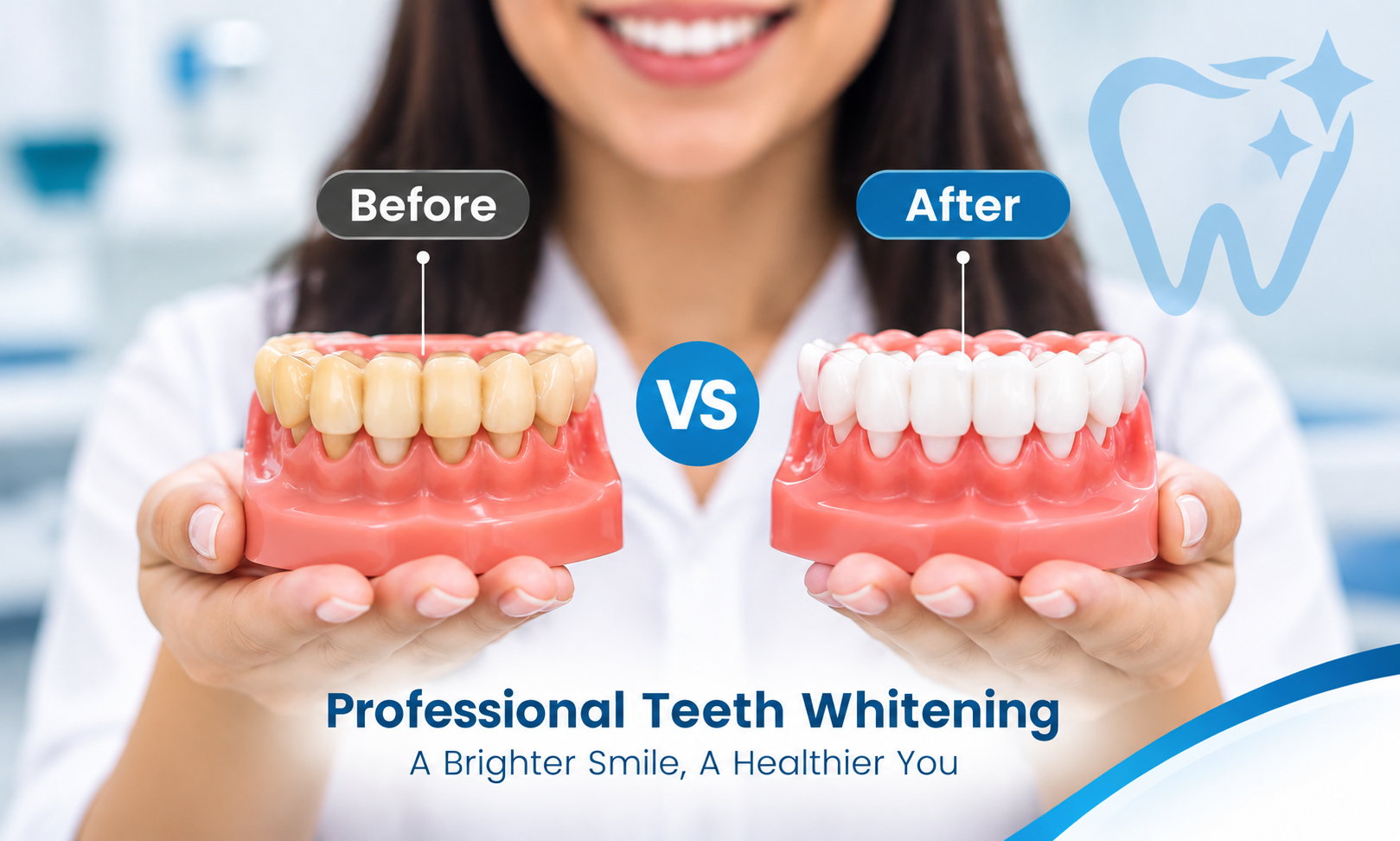
Procedures like Teeth Whitening can enhance the brightness of your smile, while a complete Smile Makeover can transform your overall appearance.
If you notice pain or swelling in your teeth, it could indicate an infection. Reading the Tooth Abscess Treatment Guide can help you understand causes, symptoms, and treatment options. Similarly, if you are considering dental procedures, knowing Dental Implants Fail can help you avoid common complications.
Choosing the right dentist is also crucial. Learn practical tips from Choose Your Dentist to ensure you get proper care. And if you’ve had dental surgery, like a bone graft, and experience discomfort, check Dental Bone Graft for guidance. Lastly, understanding basic dental structure is important—read Tooth Enamel? to know how to protect your teeth effectively.
Tips to Maintain Good Oral Hygiene
Maintaining oral hygiene requires consistent effort and healthy habits. Following these simple tips can help you keep your teeth and gums in excellent condition:
- Brush your teeth at least twice a day using a fluoride toothpaste
- Floss daily to remove plaque between teeth
- Avoid sugary foods and drinks
- Rinse your mouth after meals
- Avoid tobacco products
- Use a mouthguard during sports activities
- Wear a night guard if you grind your teeth
- Visit your dentist every 6 months for check-ups and cleaning
In case of deep decay or infection, treatments like Root Canal Treatment may be required to save the natural tooth and prevent further complications.
Conclusion
Oral hygiene is not just about maintaining a clean smile; it is essential for your overall health and well-being. Poor dental habits can lead to serious health complications, while good oral care can prevent diseases and improve quality of life.
By following proper hygiene practices and visiting your dentist regularly, you can ensure long-term dental health. Investing in your oral care today will help you enjoy a confident smile and a healthier future.