Why Do Gums Recede? Causes and Treatment Options
If your teeth are starting to look longer, or you feel a notch near the gum line when you run your tongue over your teeth, you may be noticing gum recession. This is a common concern we see at our clinic on Galleria Boulevard, DLF Phase 4, and it is worth understanding before it progresses further.
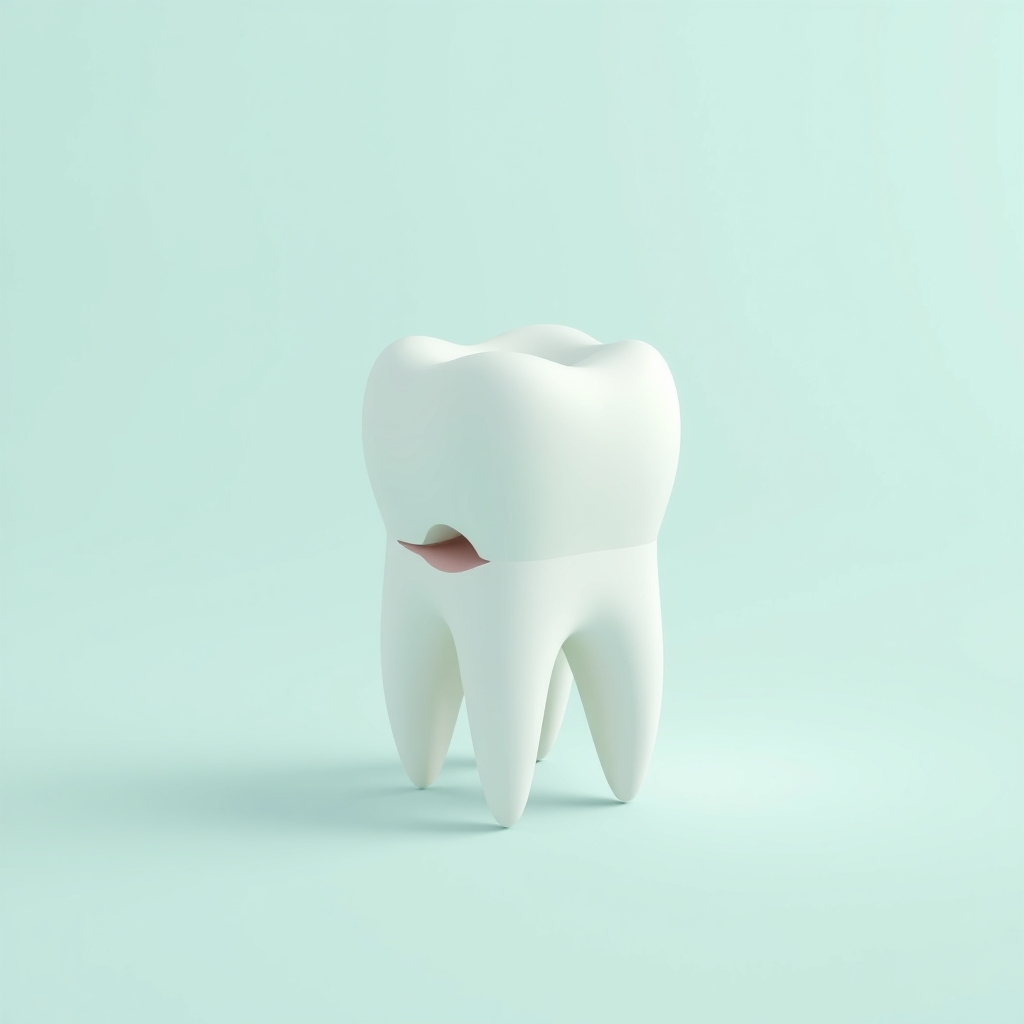
Gum recession happens when the gum tissue surrounding your teeth pulls back, exposing more of the tooth or its root. It usually develops slowly, which is why many people do not notice it until the change becomes visible or sensitivity sets in.
What Causes Gums to Recede
Recession is rarely caused by just one thing. Here are the most common contributors:
Aggressive or Incorrect Brushing
Brushing too hard, using a hard-bristled brush, or scrubbing side to side can wear away gum tissue over time. This is one of the most preventable causes and often shows up on the outer surface of the front teeth.
Gum Disease (Periodontal Disease)
Plaque and tartar buildup along the gum line can lead to gingivitis and, if untreated, periodontitis. This infection breaks down the gum tissue and the bone supporting your teeth, causing the gums to pull away.
Genetics
Some people are simply born with thinner gum tissue or teeth positioned closer to the surface of the jawbone, making them more prone to recession regardless of how well they care for their teeth.
Aging
Gums naturally thin and recede a little with age, even with consistent oral care. This is a gradual process and often more noticeable after the age of 40.
Other Contributing Factors
- Teeth grinding or clenching, which places extra pressure on the gums
- Misaligned teeth or bite issues
- Tobacco use
- Lip or tongue piercings that rub against the gums
- Hormonal changes, particularly in women
Signs You May Be Experiencing Gum Recession
- Teeth appearing longer than before
- Sensitivity to hot, cold, or sweet foods
- A visible notch or line near the gum edge
- Roots feeling exposed or rough to the touch
- Gums that look uneven from one tooth to the next
Treatment Options for Receding Gums
Treatment depends on how much recession has occurred and what is causing it. A dental check-up helps determine the right approach.
Non-Surgical Options
For mild recession, especially when caused by brushing habits, the focus is on stopping further damage and managing symptoms.
- Desensitizing toothpaste: Helps reduce sensitivity by blocking the tiny tubules in exposed root surfaces
- Correcting brushing technique: Switching to a soft-bristled brush and gentle circular motions
- Professional cleaning (scaling): Removes plaque and tartar that may be contributing to gum irritation
- Fluoride treatments: Strengthen exposed root surfaces and reduce sensitivity
- Night guards: Recommended if teeth grinding is identified as a contributing factor
Treating Underlying Gum Disease
If recession is linked to periodontal disease, deeper cleaning procedures such as scaling and root planing may be needed to remove bacteria from below the gum line and help the tissue heal.
Gum Grafting Surgery
When recession is significant, causing persistent sensitivity, an uneven smile, or risk to the tooth's long-term support, gum grafting may be recommended. This procedure involves taking tissue, often from the roof of the mouth or a tissue bank, and placing it over the exposed root to cover it and protect the tooth going forward. Grafting is a well-established procedure and is usually considered only after non-surgical options have been discussed.
| Treatment | Best suited for | Typical range (INR) |
|---|---|---|
| Desensitizing paste/fluoride | Mild sensitivity, early recession | Typical range: 300 to 1,500 |
| Scaling and root planing | Gum disease related recession | Typical range: 2,000 to 6,000 |
| Gum grafting surgery | Moderate to severe recession | Typical range: 8,000 to 25,000 per site |
These figures are general estimates for DLF Phase 4, Gurgaon and can vary based on the number of teeth involved, the technique used, and individual case complexity. An in-person evaluation gives the most accurate picture.
Can Gum Recession Be Prevented?
While genetics and aging cannot be controlled, many cases of recession are preventable. Using a soft-bristled brush, avoiding excessive pressure while brushing, keeping up with regular cleanings, and addressing teeth grinding early can go a long way in protecting your gums for the years ahead.
Have questions about your teeth?
EXL Dentists · Galleria Boulevard, DLF Phase IV, Sector 43
Frequently asked questions
Can receding gums grow back on their own?
No. Gum tissue that has receded does not regenerate naturally. The good news is recession can be stopped from getting worse, and in more advanced cases, gum grafting can cover exposed roots.
Is gum recession always caused by poor oral hygiene?
Not always. While gum disease from plaque buildup is a common cause, aggressive brushing, genetics, teeth grinding, and normal aging can also lead to recession even in people with good oral hygiene.
How do I know if my gum recession needs surgery?
Mild recession with sensitivity can often be managed with desensitizing pastes, better brushing technique, and regular cleanings. A dentist will recommend grafting only if recession is deep, progressing, or affecting the tooth's support.
Does gum recession treatment hurt?
Non-surgical treatments like desensitizing agents and scaling are generally comfortable. Gum grafting is done under local anaesthesia and most patients manage recovery well with prescribed care instructions.
Treatment costs mentioned on this page are indicative ranges for the DLF Phase 4, Gurgaon region. Your exact cost depends on your case and will be confirmed after a clinical examination at the clinic.