Tongue, Lip, and Cheek Piercings: Dental Risks and How to Care for Them
Tongue, lip, and cheek piercings are a popular way to express personal style, and many people in DLF Phase 4, Gurgaon wear them without ever having a problem. But these piercings sit very close to teeth, gums, and delicate oral tissue, which means they carry some dental risks worth understanding. This article explains how oral piercings can affect your mouth and shares practical tips to keep your smile healthy if you already have one or are thinking about getting one.
How Oral Piercings Can Affect Teeth and Gums
The jewellery used in tongue, lip, and cheek piercings is hard metal that constantly comes into contact with soft tissue and tooth surfaces. Over time, this contact can lead to several issues.
Chipped or Cracked Teeth
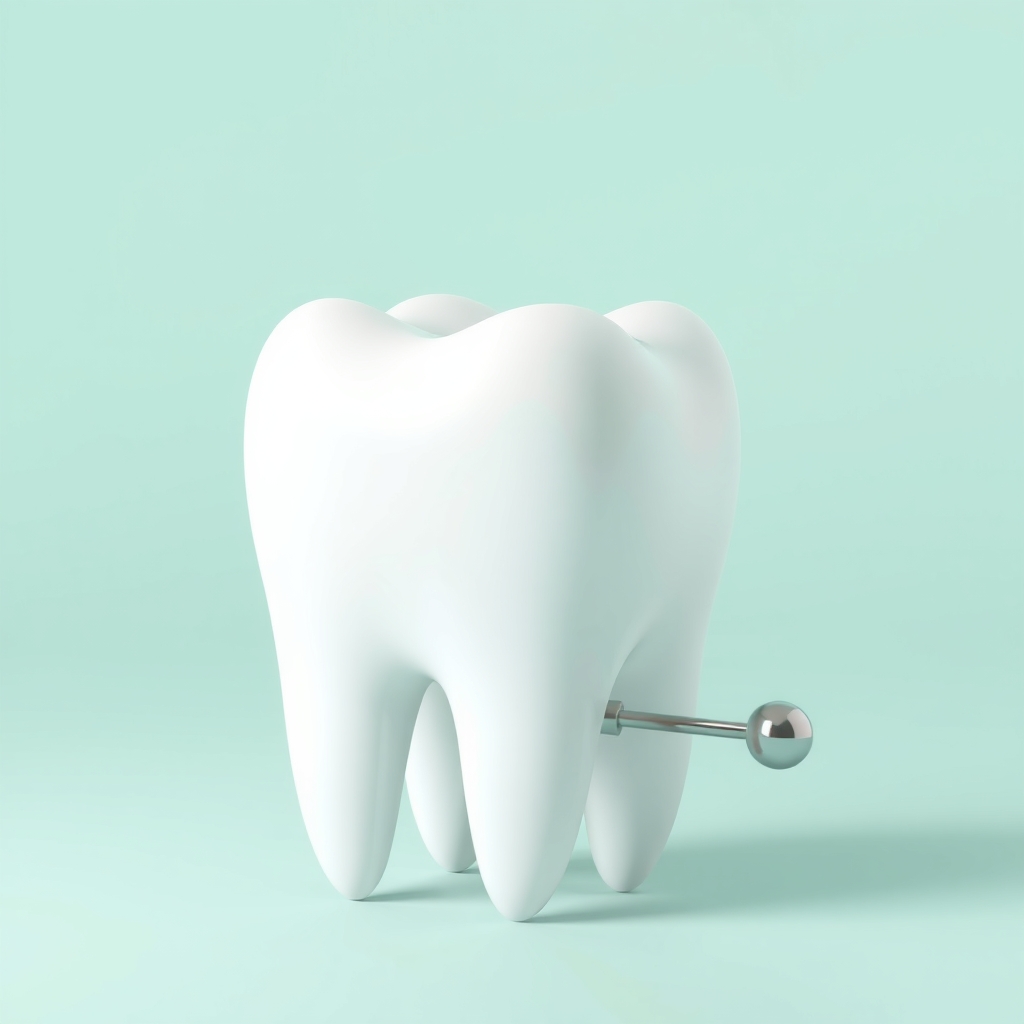
Barbells and studs can knock against teeth during talking, eating, or sleeping. Repeated contact, especially with back and front teeth, can cause small chips that grow larger over time. In some cases, this can lead to cracks that need restorative treatment.
Gum Recession
Lip and cheek piercings often rub against the gum line on the inside of the mouth. This constant friction can wear away gum tissue, exposing the tooth root underneath. Once gum recession happens, it does not grow back on its own and may need treatment to protect the exposed area.
Tooth Wear and Sensitivity
Many people with tongue piercings develop a habit of clicking or playing with the jewellery against their teeth. This repetitive motion can wear down enamel gradually, sometimes leading to increased tooth sensitivity.
Infection and Swelling
The mouth carries a lot of bacteria, and a fresh piercing site is essentially an open wound. This raises the risk of infection, especially in the first few weeks. Tongue piercings in particular can cause significant swelling right after the procedure, which in rare cases can affect breathing or swallowing.
Nerve and Tissue Damage
If the piercing is not placed correctly, there is a small risk of nerve damage that can cause numbness or altered taste sensation. Excessive bleeding is also possible if a blood vessel is affected during piercing.
Signs You Should See a Dentist
- Persistent pain, swelling, or pus around the piercing site
- A tooth that feels rough, chipped, or suddenly sensitive
- Gums that look like they are pulling away from a tooth
- Jewellery that feels loose or has moved position
- Difficulty chewing or speaking that does not improve
Safer Care Tips for Oral Piercings
If you already have a piercing, these habits can help lower the risk of dental damage.
- Choose the right jewellery size. A snug, properly sized barbell reduces unnecessary movement against teeth and gums.
- Avoid clicking or playing with the jewellery. This habit is one of the most common causes of tooth wear and chipping.
- Clean it as advised. Rinse with an alcohol free antibacterial mouth rinse after eating, especially in the first few weeks after getting pierced.
- Keep up with brushing and flossing. Good oral hygiene reduces bacteria around the piercing site and lowers infection risk.
- Watch for signs of wear. Regularly check your teeth and gums near the piercing for chips, cracks, or recession.
- Remove jewellery during sports or sleep if advised. This can reduce accidental impact against teeth.
- Visit your dentist regularly. Routine checkups allow early detection of any damage before it becomes serious.
Considering a New Piercing?
If you are thinking about getting a tongue, lip, or cheek piercing, it helps to have a conversation with your dentist beforehand. They can check your bite and tooth positioning to flag any areas where a piercing might cause more friction or risk. Choosing an experienced, licensed piercer who follows strict hygiene practices is equally important for reducing infection risk.
| Piercing Type | Common Dental Risk |
|---|---|
| Tongue | Chipped teeth, enamel wear, swelling after placement |
| Lip | Gum recession, tooth wear from jewellery contact |
| Cheek | Gum irritation, inner cheek tissue damage |
Oral piercings can be a personal choice that many people manage safely, but they do require extra attention to protect your teeth and gums. If you have concerns about an existing piercing or want a professional opinion before getting one, the team at EXL Dentists in DLF Phase 4, Gurgaon is happy to help. You can reach us at +91 99101 19555.
Have questions about your teeth?
EXL Dentists · Galleria Boulevard, DLF Phase IV, Sector 43
Frequently asked questions
Can I get a piercing removed if it has already chipped a tooth?
Yes. Removing the jewellery stops further chipping, but any existing tooth damage needs a dental check. Small chips can often be smoothed or restored, while deeper cracks may need a filling or crown.
How long does it take for gum recession from a lip piercing to develop?
It varies, but many cases build up gradually over one to three years of the jewellery rubbing against the gums. Regular dental checks can catch early signs before the recession becomes significant.
Is a shorter barbell safer than a longer one for tongue piercings?
Generally yes. A snug fitting barbell that does not move around excessively reduces friction against teeth and gums compared to a longer or loose one.
Should I take my piercing out before a dental cleaning or treatment?
Your dentist will guide you based on the procedure. For routine cleanings it may stay in, but for certain treatments near the piercing site, temporary removal is sometimes recommended for safety and access.
Treatment costs mentioned on this page are indicative ranges for the DLF Phase 4, Gurgaon region. Your exact cost depends on your case and will be confirmed after a clinical examination at the clinic.