When Braces Aren't Enough: Understanding Corrective Jaw Surgery
Most bite problems can be corrected with braces or aligners alone. But when the issue lies in the jawbone itself rather than just the position of teeth, orthodontics has limits. For patients in DLF Phase 4, Gurgaon dealing with a severe overbite, underbite, or jaw misalignment, understanding when surgery becomes necessary can help set realistic expectations before starting treatment.
Why Braces Alone Sometimes Aren't Enough
Braces move teeth within the jawbone. They cannot move the jawbone itself. When the upper and lower jaws are significantly out of proportion in size or position, teeth alignment alone cannot create a functional, comfortable bite. This is a skeletal problem, not just a dental one.
Common signs that surgery may be needed alongside orthodontics include:
- A severe overbite where the upper jaw protrudes noticeably beyond the lower jaw
- An underbite where the lower jaw extends past the upper jaw
- Visible facial asymmetry, with the chin or jaw shifted to one side
- Difficulty chewing, biting into food, or closing the lips comfortably
- Chronic jaw pain, speech difficulty, or breathing issues linked to jaw position
- An open bite where front teeth don't meet even when back teeth are closed
What Is Orthognathic Surgery?
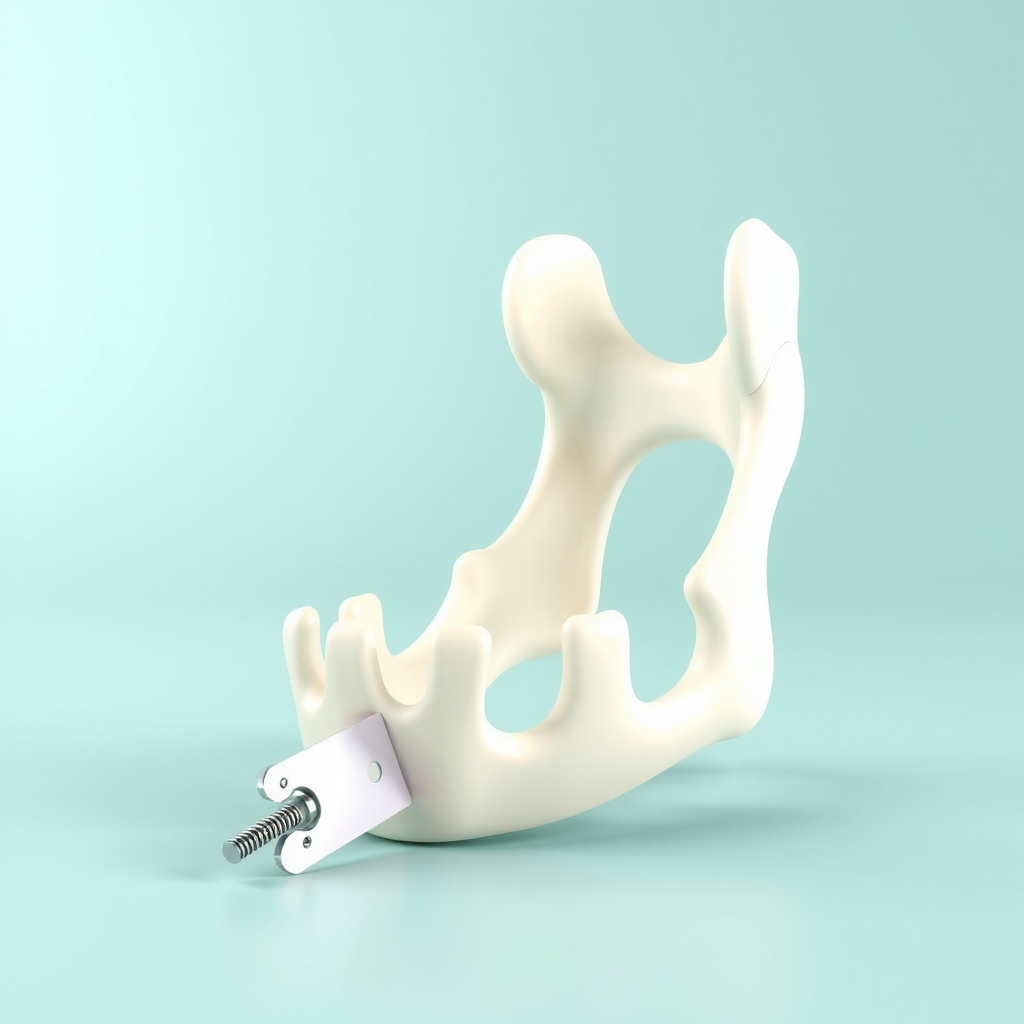
Orthognathic surgery, commonly called corrective jaw surgery, repositions the upper jaw, lower jaw, or both to correct skeletal misalignment. It is performed by an oral and maxillofacial surgeon, usually in coordination with your orthodontist. The goal is to create a bite that functions properly and supports healthier facial balance.
Who Is a Candidate?
Jaw surgery is generally considered when:
- Facial growth is complete, usually late teens or older
- The bite problem is skeletal, confirmed through clinical exams and imaging such as X-rays or 3D scans
- Orthodontic treatment alone has been assessed as insufficient to correct the misalignment
- There are functional concerns like chewing difficulty, jaw pain, or sleep breathing issues alongside the cosmetic concern
Your orthodontist and oral surgeon will work together to confirm candidacy through a detailed evaluation, which typically includes photographs, dental impressions or digital scans, and imaging of the jaw structure.
The Treatment Process
Correcting a severe bite with surgery is not a single appointment. It is a staged process that usually unfolds over one to two years:
- Pre-surgical orthodontics: Braces are placed first to align teeth within each jaw so they fit together correctly once the jaw is repositioned. This phase can take several months to over a year.
- Surgical planning: Detailed imaging and sometimes computer modeling help the surgical team plan exact jaw movements.
- The surgery itself: Performed under general anesthesia in a hospital setting, the procedure repositions the jawbone and secures it with small plates and screws. Surgery can take a few hours, and most patients stay in the hospital for a day or two.
- Post-surgical orthodontics: After healing begins, braces continue for several months to fine-tune the bite into its final position.
What Recovery Involves
Initial recovery includes swelling, bruising, and some discomfort for the first one to two weeks. A soft or liquid diet is usually needed early on, gradually progressing to regular food over several weeks as healing allows. Most patients can return to work or school within two to three weeks, though strenuous activity is restricted for longer. Full bone healing and bite stabilization take several months, with regular follow-up visits to monitor progress.
| Treatment Stage | Typical Duration |
|---|---|
| Pre-surgical orthodontics | 6 to 18 months |
| Hospital stay after surgery | 1 to 2 days |
| Return to normal activity | 2 to 3 weeks |
| Post-surgical orthodontics | 6 to 12 months |
Cost Considerations
Orthognathic surgery involves both surgical and orthodontic components, so costs vary based on complexity, hospital charges, and the length of orthodontic treatment required. In DLF Phase 4, Gurgaon, the typical range for the surgical portion alone can run from a few lakhs upward, with orthodontic treatment costs added separately. Your exact cost will depend on your specific case after a full evaluation.
Getting the Right Evaluation
If you have been told your bite problem might need more than braces, a joint consultation with an orthodontist and oral surgeon is the right next step. At EXL Dentists on Galleria Boulevard, DLF Phase IV, Sector 43, our team can assess whether your case is purely orthodontic or requires a surgical approach, and guide you through what the full treatment timeline would look like.
Have questions about your teeth?
EXL Dentists · Galleria Boulevard, DLF Phase IV, Sector 43
Frequently asked questions
How do I know if I need jaw surgery instead of just braces?
Only a thorough evaluation by an orthodontist and oral surgeon can confirm this. General signs include a severe skeletal discrepancy between your upper and lower jaw, difficulty chewing or speaking, facial asymmetry, or an orthodontist telling you that braces alone cannot correct your bite because the problem is in the jawbone itself, not just tooth position.
Is jaw surgery painful and how long is recovery?
The surgery is done under general anesthesia so you feel nothing during the procedure. Afterward there is swelling and discomfort for one to two weeks, managed with prescribed medication. Most patients return to work or school within two to three weeks, though full bone healing takes several months.
Will I still need braces if I get jaw surgery?
Yes. Orthognathic surgery is almost always combined with orthodontic treatment before and after the procedure. Braces align your teeth so they fit properly once the jaw is repositioned, and continue afterward to fine-tune the bite.
Can adults get jaw surgery, or is it only for teens?
Jaw surgery is typically done after facial growth is complete, usually from the late teens onward. Many adults in their twenties, thirties, and beyond undergo this surgery successfully to correct long-standing bite and jaw problems.
Treatment costs mentioned on this page are indicative ranges for the DLF Phase 4, Gurgaon region. Your exact cost depends on your case and will be confirmed after a clinical examination at the clinic.