Does Activated Charcoal Toothpaste Really Whiten Teeth?
Activated charcoal toothpaste has become a popular trend, promising a brighter smile with a natural, fine black powder. If you live in DLF Phase 4, Gurgaon and have seen this product on social media or store shelves, you may be wondering whether it actually works or whether it could harm your teeth in the long run. Here is an honest look at the facts.
What Is Activated Charcoal Toothpaste?
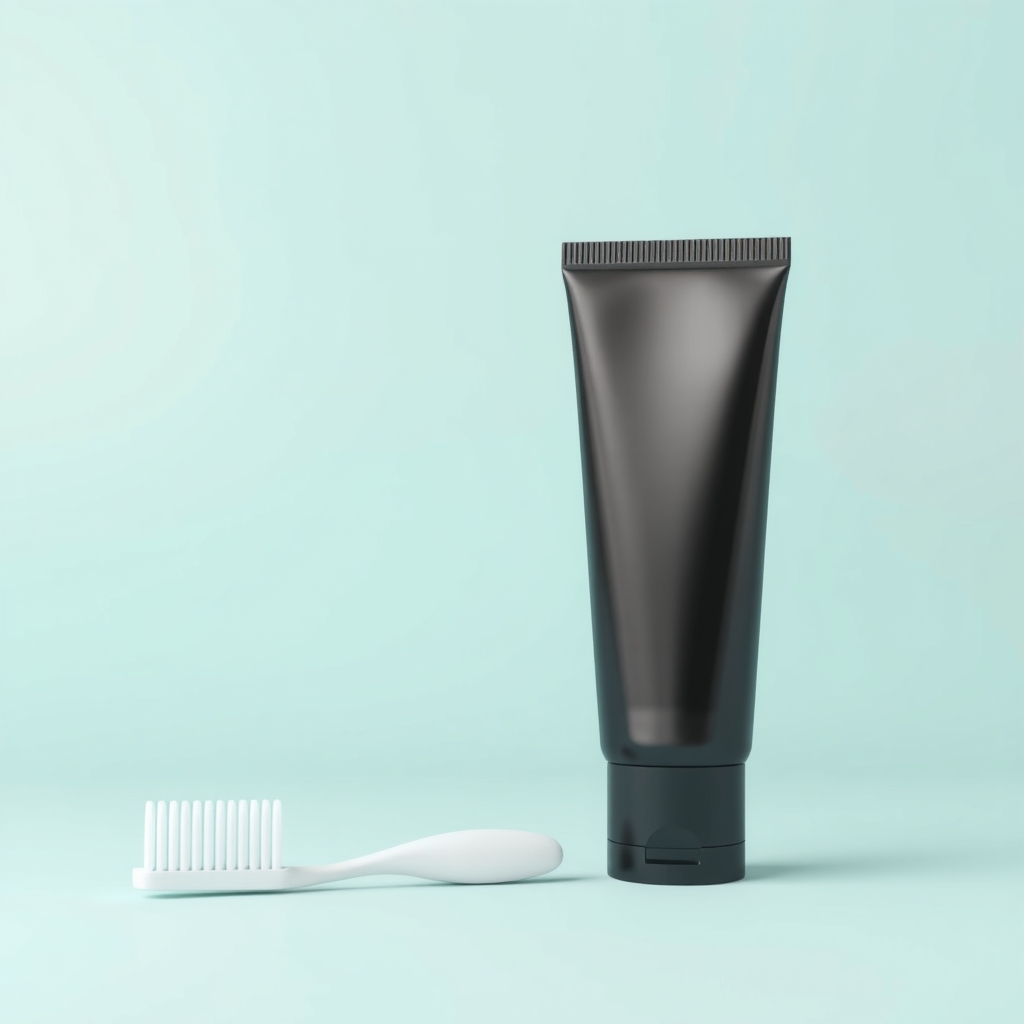
Activated charcoal is a fine, porous black powder made by heating materials like coconut shells or wood at very high temperatures. It is known for its ability to absorb substances, which is why it is used in some medical treatments for poisoning. In toothpaste, manufacturers claim this absorbing property helps "pull" stains off the teeth, leaving them looking whiter.
Does It Actually Whiten Teeth?
Most charcoal toothpastes work mainly through abrasion, not chemical whitening. The gritty texture of the charcoal particles physically scrubs away surface stains from coffee, tea, or tobacco. This can give a temporary sense of brighter teeth right after brushing.
However, charcoal toothpaste does not change the natural colour of your teeth or remove stains that lie deeper within the enamel. Professional whitening treatments use active bleaching agents, which charcoal pastes typically do not contain. So while you may notice a mild surface improvement, it is not true whitening in the clinical sense.
What Does Research Say?
Dental research on charcoal toothpaste is still limited. Most available studies point out that there is not enough strong evidence to confirm it is effective or completely safe for long-term use. Many formulations also lack fluoride, which is the ingredient dentists rely on to protect against cavities.
Can Charcoal Toothpaste Damage Your Enamel?
This is the bigger concern. Enamel is the hard outer layer protecting your teeth, and once it wears away, it does not grow back. Here is why charcoal toothpaste can be risky with regular use:
- Many charcoal toothpastes have a higher abrasiveness level than regular toothpaste.
- Frequent brushing with abrasive particles can gradually thin the enamel.
- Thinner enamel can expose the yellowish dentin underneath, which may actually make teeth look more yellow over time, not whiter.
- Thinner enamel also increases the risk of tooth sensitivity to hot, cold, or sweet foods.
If you already have sensitive teeth, enamel erosion, or gum recession, charcoal toothpaste is best avoided unless your dentist says otherwise.
Charcoal Toothpaste vs Regular Fluoride Toothpaste
| Feature | Charcoal Toothpaste | Regular Fluoride Toothpaste |
|---|---|---|
| Cavity protection | Usually absent | Yes, with fluoride |
| Stain removal | Surface stains only, via abrasion | Mild, gentle cleaning |
| Enamel safety | Can be abrasive with frequent use | Generally safe for daily use |
| Clinical evidence | Limited studies | Well established |
Should You Try It?
If you are simply curious, using charcoal toothpaste occasionally, perhaps a few times a week, is unlikely to cause serious harm for most people with healthy teeth. The key is not to rely on it as your only toothpaste, and to continue using a fluoride toothpaste for daily cavity protection.
If your main goal is a visibly whiter smile, it is worth having a conversation with a dentist first. A simple dental check-up can identify the real cause of your stains, whether it is from food and drink, tobacco, or the natural shade of your teeth, and help you choose a whitening option that is both effective and safe for your enamel.
A Few Tips If You Decide to Use It
- Use it only two to three times a week, not as a daily toothpaste.
- Brush gently rather than scrubbing hard.
- Switch back to a fluoride toothpaste for your regular brushing routine.
- Stop use if you notice increased sensitivity or discomfort.
- Avoid it altogether if you have thin enamel, gum recession, or dental restorations like crowns and veneers.
When to See a Dentist
If you have been using charcoal toothpaste and notice increased sensitivity, rough or uneven tooth surfaces, or teeth that seem to look more yellow rather than whiter, it is a good idea to get your teeth examined. At EXL Dentists on Galleria Boulevard, DLF Phase IV, Sector 43, our team can assess your enamel health and suggest a whitening approach suited to your teeth, rather than a one-size-fits-all trend product.
Have questions about your teeth?
EXL Dentists · Galleria Boulevard, DLF Phase IV, Sector 43
Frequently asked questions
Can charcoal toothpaste remove deep stains like coffee or tobacco stains?
It may lighten surface stains slightly, but it cannot remove deep or internal stains. Those usually need professional whitening treatments done under a dentist's supervision.
Is it safe to use charcoal toothpaste every day?
Daily use is generally not recommended because repeated abrasion can wear down enamel over time. If you want to try it, limit use to two or three times a week alongside your regular fluoride toothpaste.
Does charcoal toothpaste contain fluoride?
Most charcoal toothpastes do not contain fluoride, which is the key ingredient that protects against cavities. Check the label, and continue using a fluoride toothpaste for your main daily brushing.
What is a safer way to whiten teeth?
Professional whitening at a dental clinic, or dentist-supervised at-home kits, are more predictable and gentler on enamel than abrasive home remedies like charcoal.
Treatment costs mentioned on this page are indicative ranges for the DLF Phase 4, Gurgaon region. Your exact cost depends on your case and will be confirmed after a clinical examination at the clinic.