A Guide to Choosing the Right Mouthwash for Your Needs
Walk down any pharmacy aisle in DLF Phase 4, Gurgaon and you will see rows of mouthwash bottles promising fresh breath, healthy gums, or whiter teeth. It can be confusing to know which one actually suits your mouth. The truth is that not every mouthwash works the same way, and the right choice depends on what you are trying to fix.
Do You Even Need Mouthwash?
Brushing twice daily and flossing once a day remain the two most important habits for oral health. Mouthwash is not a substitute for either. However, it can be a useful extra step if you have specific concerns such as persistent bad breath, early gum inflammation, tooth sensitivity, or a dry mouth. Think of it as a targeted tool rather than a daily must-have for everyone.
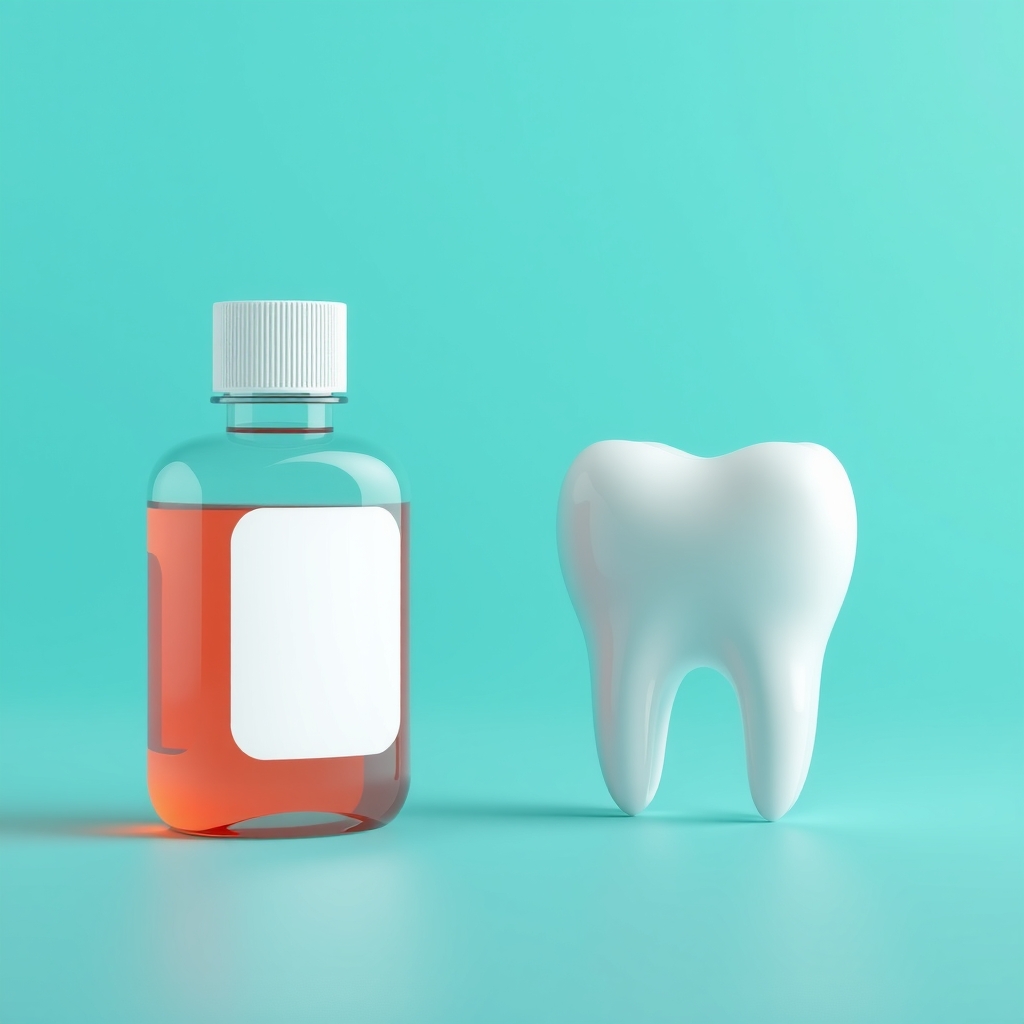
Types of Mouthwash and What They Do
Alcohol-Based Mouthwash
These rinses often contain ethanol as a carrier for active ingredients and can feel strong or tingly. They can be effective at reducing bacteria and freshening breath temporarily. The downside is that alcohol can dry out the mouth over time, which may actually worsen bad breath in people who already have a dry mouth tendency.
Alcohol-Free Mouthwash
These are gentler and suitable for people with sensitive gums, dry mouth, or those who find alcohol-based rinses too harsh. They still contain active ingredients to fight bacteria and freshen breath, just without the drying effect. Many dentists recommend these for daily, long-term use.
Antiseptic Mouthwash
Antiseptic rinses, such as those containing chlorhexidine or cetylpyridinium chloride, target bacteria more aggressively. They are often recommended for a limited period after gum treatment or for managing gum disease (gingivitis or early periodontitis). Chlorhexidine, in particular, is usually prescribed for short-term use because prolonged use can cause temporary staining of teeth and altered taste.
Fluoride Mouthwash
These rinses are designed to strengthen enamel and help prevent cavities, making them useful for people prone to decay or those with early sensitivity. They work best when used at a different time than brushing, since using toothpaste and mouthwash together right away can wash away the fluoride benefit from one or the other.
Matching Mouthwash to Your Concern
| Concern | Suggested Mouthwash Type | Why |
|---|---|---|
| Persistent bad breath | Alcohol-free or antibacterial rinse | Reduces odor-causing bacteria without drying the mouth further |
| Gum disease or bleeding gums | Antiseptic (as advised by your dentist) | Targets bacteria linked to gum inflammation |
| Tooth sensitivity | Fluoride mouthwash, alcohol-free | Strengthens enamel and avoids irritation |
| Dry mouth | Alcohol-free, moisturising formula | Avoids worsening dryness |
| Cavity prevention | Fluoride mouthwash | Adds extra protection between dental visits |
A Few Practical Tips
- Use mouthwash at a different time than brushing, ideally 20 to 30 minutes apart, so fluoride toothpaste is not rinsed away too soon.
- Do not swallow mouthwash, and keep it away from young children.
- If you notice staining, taste changes, or irritation, stop and consult your dentist.
- Antiseptic rinses are usually meant for short courses, not indefinite daily use.
When to Check With Your Dentist
If bad breath persists despite good brushing and flossing, or if your gums bleed regularly, it is worth getting checked rather than relying only on mouthwash. These can be signs of gum disease, dry mouth conditions, or other issues that need a proper look. At our clinic on Galleria Boulevard, DLF Phase IV, Sector 43, we often help patients from DLF Phase 4, Gurgaon figure out the right combination of home care products for their specific mouth, since a generic one size fits all approach does not always work.
Choosing a mouthwash does not need to be complicated once you know what problem you are solving for. Start with your main concern, pick a type that matches it, and keep brushing and flossing as your daily foundation.
Have questions about your teeth?
EXL Dentists · Galleria Boulevard, DLF Phase IV, Sector 43
Frequently asked questions
Is mouthwash necessary if I already brush and floss?
Not strictly necessary for everyone, but it can help in specific situations like gum disease, dry mouth, or bad breath. Brushing twice a day and flossing daily remain the foundation of oral care. Mouthwash is a helpful addition, not a replacement.
Can I use mouthwash right after brushing?
It is better to wait 20 to 30 minutes after brushing with a fluoride toothpaste. Rinsing immediately can wash away the concentrated fluoride left behind by your toothpaste, reducing its benefit.
Is alcohol-based mouthwash bad for my mouth?
For most adults with healthy gums, occasional use is fine. However, it can cause dryness or irritation in people with sensitive mouths, dry mouth conditions, or healing tissue, so an alcohol-free option is often gentler.
How long can I use an antiseptic mouthwash for gum disease?
Prescription-strength antiseptic rinses like chlorhexidine are usually meant for short courses, often two to four weeks, as advised by your dentist. Long-term use can cause staining and should be monitored.
Treatment costs mentioned on this page are indicative ranges for the DLF Phase 4, Gurgaon region. Your exact cost depends on your case and will be confirmed after a clinical examination at the clinic.