Laser Dentistry: How It Works and Where It Helps
If you have been researching dental treatments and keep seeing the term "laser dentistry," you are not alone. More clinics, including ours here at Galleria Boulevard in DLF Phase 4, are using lasers for specific procedures. This article explains how laser dentistry works, where it is commonly used, and how it compares with traditional dental tools, so you can have an informed conversation with your dentist.
What Is Laser Dentistry?
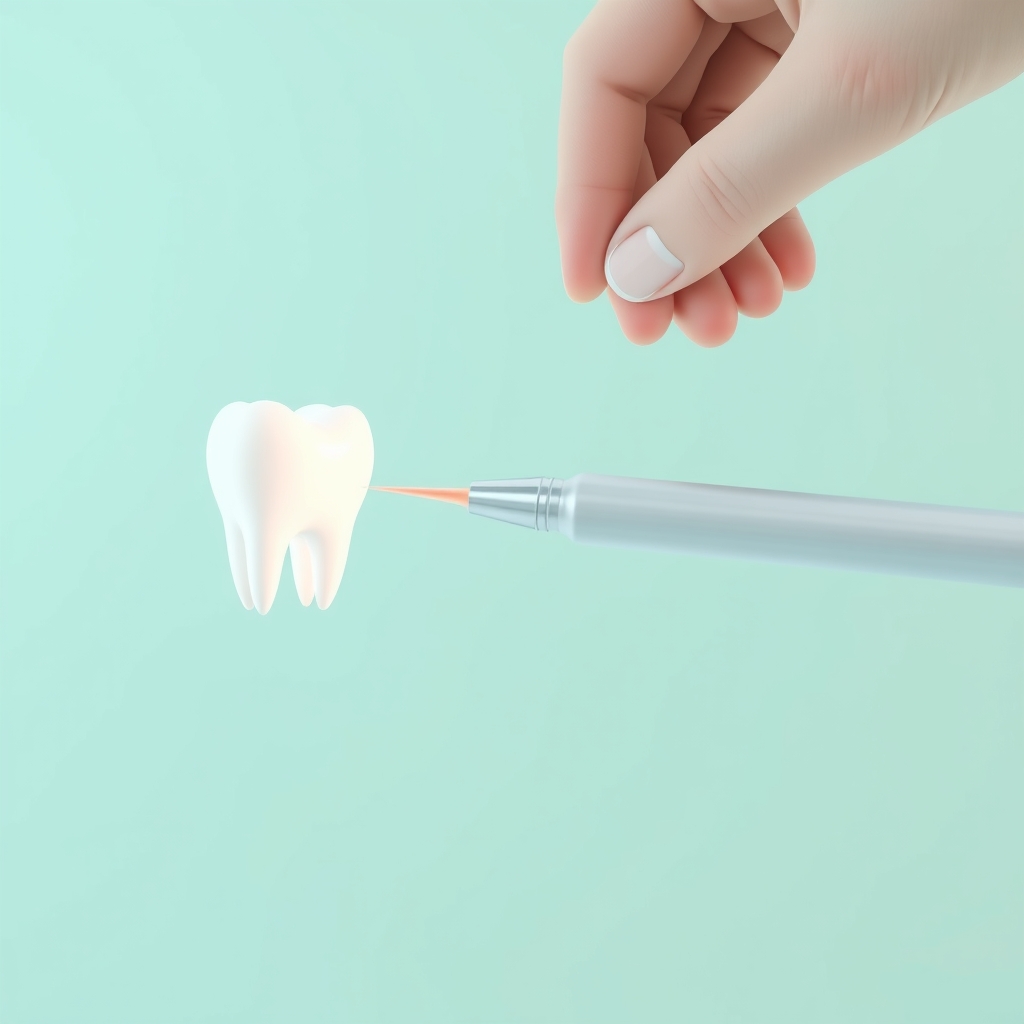
Dental lasers use focused light energy to treat teeth and gum tissue. Depending on the type of laser and its settings, this light energy can cut, reshape, or disinfect tissue with a high degree of precision. There are different categories of dental lasers, broadly divided into soft tissue lasers (used on gums and other mouth tissue) and hard tissue lasers (used on tooth structure).
Lasers do not replace every dental instrument. Rather, they are an additional tool that dentists use for specific situations where precision, reduced bleeding, or patient comfort is especially valuable.
Common Uses of Laser Dentistry
Gum Reshaping (Gingival Contouring)
Some patients have a "gummy smile" where excess gum tissue covers more of the tooth than desired, or uneven gum lines that affect the appearance of a smile. Soft tissue lasers can trim and reshape gum tissue with minimal bleeding, often without stitches. Healing is generally quicker compared to traditional scalpel techniques.
Cavity Removal
Certain hard tissue lasers can remove decayed portions of a tooth and prepare it for a filling. This approach may reduce the need for local anaesthesia in some minor cavities and can feel quieter and less vibrating than a traditional drill. However, not all cavities are suitable for laser treatment, particularly larger ones or those needing a crown.
Frenectomies
A frenectomy is a procedure to release a tight band of tissue (frenum) under the tongue or lip, which can affect speech, breastfeeding in infants, or orthodontic treatment. Laser frenectomies are popular because they typically cause less bleeding and may heal faster than traditional surgical methods using a scalpel.
Laser vs Traditional Tools: A Comparison
| Aspect | Laser Dentistry | Traditional Tools (Drill/Scalpel) |
|---|---|---|
| Bleeding | Often minimal due to sealing of small blood vessels | More bleeding is common, especially in soft tissue work |
| Noise and vibration | Generally quieter, less vibration | Drilling sound and vibration are more noticeable |
| Anaesthesia need | May be reduced for some minor procedures | Usually required for most procedures |
| Suitability | Best for specific soft tissue and minor hard tissue cases | Versatile, suitable for almost all dental procedures |
| Healing time | Often quicker for soft tissue procedures | Typically standard healing timelines |
Benefits of Laser Dentistry
- Reduced bleeding during soft tissue procedures
- Less noise and vibration, which can ease dental anxiety
- Potentially faster healing for certain gum procedures
- Greater precision in targeting small areas of tissue
- Lower infection risk in some cases due to the sterilising effect of laser light
Limitations to Understand
- Lasers cannot be used for every procedure, such as removing old amalgam fillings or preparing teeth for certain crowns
- Not every dental practice has the same type of laser, and suitability depends on the specific device and the case
- Some complex cavities still require traditional drilling for a complete and durable restoration
- Laser treatment may cost more than conventional methods in certain cases, so discussing this with your dentist beforehand is wise
Is Laser Dentistry Right for You?
The right treatment choice depends on your specific dental condition, the extent of the problem, and your dentist's clinical judgment. Laser dentistry is a helpful option in many cases, but it works best as part of a broader treatment plan rather than as a one-size-fits-all solution. If you are considering gum reshaping, cavity treatment, or a frenectomy, ask your dentist whether a laser-based approach suits your situation, and what the expected outcome, recovery time, and typical range of cost might be for your case.
Patients in DLF Phase 4, Gurgaon, often find it helpful to have a face-to-face consultation where the dentist can examine the area in question and explain whether laser treatment, traditional tools, or a combination of both would give the best and safest result.
Have questions about your teeth?
EXL Dentists · Galleria Boulevard, DLF Phase IV, Sector 43
Frequently asked questions
Is laser treatment safe for teeth and gums?
Yes, when used by a trained dentist for suitable cases, dental lasers are considered safe. They are approved tools used alongside careful diagnosis, and your dentist will decide if a laser is the right choice for your specific condition.
Does laser dentistry hurt less than a drill?
Many patients report less discomfort and vibration with lasers for soft tissue work like gum reshaping. For cavity removal, experience varies by case, and some patients may still need local anaesthesia.
Can lasers replace all dental drills?
No. Lasers work well for many soft tissue procedures and some cavity treatments, but they cannot handle every situation, such as removing old metal fillings or shaping teeth for crowns in all cases.
How much does laser dental treatment cost in DLF Phase 4, Gurgaon?
Costs vary depending on the procedure and complexity. As a typical range, simple soft tissue laser procedures may cost less than more involved treatments. Your dentist can give you a precise estimate after examination.
Treatment costs mentioned on this page are indicative ranges for the DLF Phase 4, Gurgaon region. Your exact cost depends on your case and will be confirmed after a clinical examination at the clinic.