Baby Bottle Tooth Decay: Why It Happens and How to Prevent It
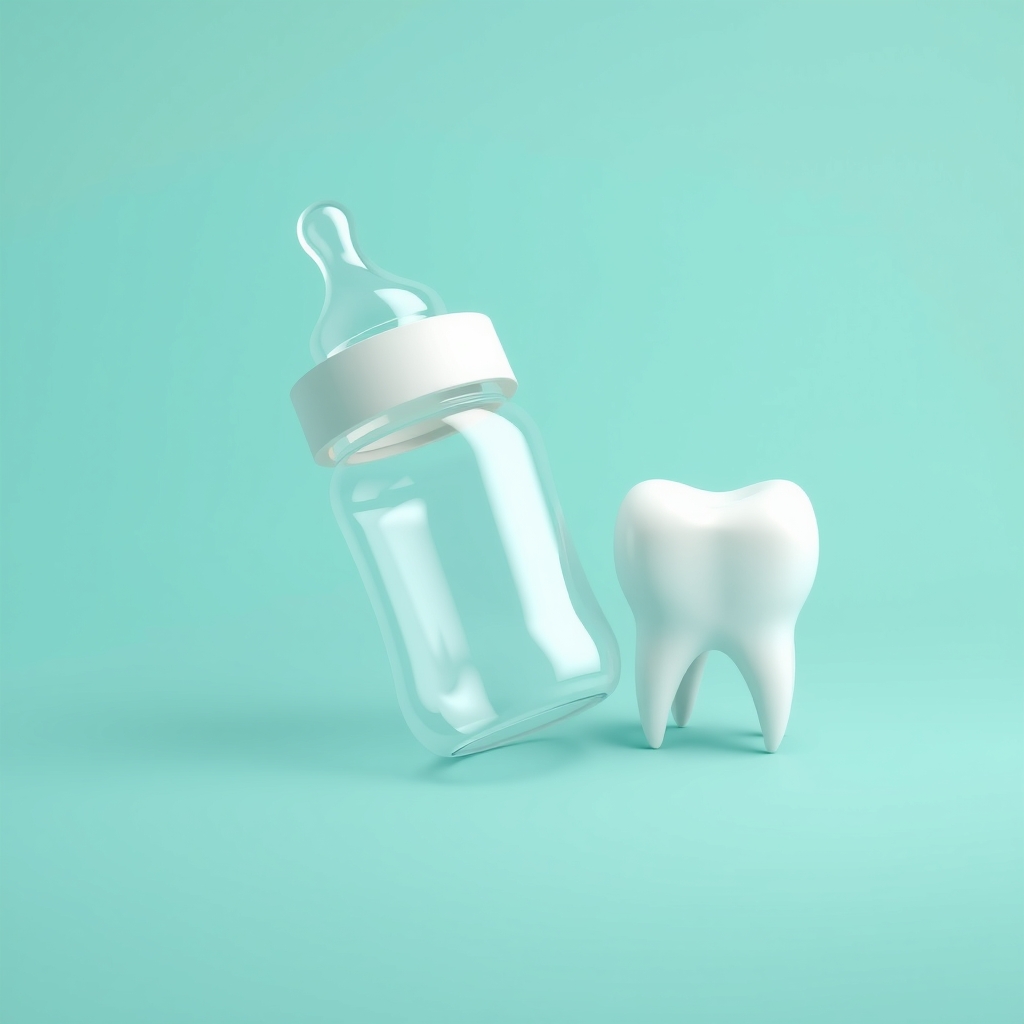
If you have noticed brown or white spots on your toddler's front teeth and wondered how such young teeth could already have cavities, you are not alone. Many parents in DLF Phase 4, Gurgaon bring their children in for exactly this concern. The most common cause is prolonged feeding from a bottle or sippy cup filled with milk, formula, or juice. This condition is often called baby bottle tooth decay or early childhood caries.
Why Bottles and Sippy Cups Cause Cavities
Milk, formula, and juice all contain natural or added sugars. When a baby sips these liquids frequently throughout the day, or worse, falls asleep with a bottle at night, the sugary liquid pools around the teeth for long stretches. Bacteria in the mouth feed on this sugar and release acid, which slowly wears away the enamel on baby teeth.
The front upper teeth are usually affected first and worst, since they are in direct contact with the nipple or spout and saliva does not reach them as easily during sleep to wash the sugar away.
Common Habits That Increase Risk
- Putting a baby to sleep with a bottle of milk or juice
- Allowing a toddler to sip juice or flavoured milk from a sippy cup throughout the day as a comfort habit
- Dipping a pacifier in honey or sugar syrup
- Not wiping or brushing a baby's gums and teeth after feeds
- Delaying the first dental visit until a problem is already visible
Signs Parents Should Watch For
Early childhood cavities often start subtly. Look out for:
- Chalky white lines near the gum line on front teeth
- Brown or black spots on teeth
- Your child avoiding cold food or reacting to sweets
- Visible holes or chipped-looking teeth
Because baby teeth have thinner enamel than adult teeth, decay can progress quickly, sometimes within months, so early checkups matter more than many parents realise.
How Parents in Gurgaon Can Prevent It
1. Rethink Bedtime Feeding
Try to finish the last feed before your child falls fully asleep, and avoid letting a bottle stay in the mouth overnight. If a nighttime bottle is unavoidable for very young infants, plain water is the safer choice once teeth have started appearing.
2. Transition Away From Sippy Cups by Age One
Sippy cups are meant to be a bridge to drinking from an open cup, not a constant companion. Offer milk or juice at mealtimes rather than letting your toddler carry the cup around all day.
3. Start Oral Cleaning Early
Wipe your baby's gums with a soft, damp cloth even before teeth erupt. Once the first tooth appears, switch to a soft infant toothbrush with a tiny smear of fluoride toothpaste, as advised by your dentist, and brush twice daily.
4. Limit Juice and Sugary Drinks
Whole fruit is a better choice than fruit juice. If juice is given, dilute it and offer it with meals rather than as a sipping drink between meals.
5. Schedule the First Dental Visit by Age One
A first visit around the first birthday, or within six months of the first tooth appearing, lets your dentist catch early changes, guide you on feeding habits, and apply preventive measures if needed.
Treatment Options If Cavities Have Already Formed
If your child already has some decay, treatment depends on how advanced it is. Options can include fluoride applications for very early white spots, fillings for small cavities, or in more advanced cases, a crown or extraction for a badly damaged tooth. Your dentist will always choose the most conservative option that preserves the tooth for as long as possible, since baby teeth play an important role in guiding permanent teeth into place.
| Situation | Typical Range (INR) |
|---|---|
| Fluoride application (per visit) | Typical range: ₹800 to ₹2,000 |
| Simple filling for baby tooth | Typical range: ₹1,500 to ₹3,500 per tooth |
| Pediatric crown for a decayed baby tooth | Typical range: ₹3,500 to ₹7,000 per tooth |
Actual costs depend on the extent of decay and the materials used, and your dentist can give you a clear estimate after an examination.
Early childhood cavities are largely preventable with a few simple feeding and cleaning habits. If you are a parent in DLF Phase 4, Gurgaon and would like your child's teeth checked, the team at EXL Dentists can guide you with a gentle, age-appropriate examination.
Have questions about your teeth?
EXL Dentists · Galleria Boulevard, DLF Phase IV, Sector 43
Frequently asked questions
At what age should I stop bottle feeding to protect my child's teeth?
Most dentists recommend moving away from bottles by 12 to 14 months and avoiding bottles in bed after the first teeth appear. Sippy cups should also be used for short periods, not as all-day comfort items.
My toddler only drinks milk at night, can that still cause cavities?
Yes. Milk contains natural sugar (lactose). When it sits on teeth for hours overnight without brushing, it feeds decay-causing bacteria just like juice does.
Are cavities in baby teeth really a big deal since they fall out anyway?
Yes, they matter. Baby teeth hold space for adult teeth, help with chewing and speech, and untreated decay can cause pain, infection, and affect the permanent teeth growing underneath.
Can breastfeeding also cause early childhood cavities?
Frequent, prolonged breastfeeding through the night, especially after the first tooth erupts and without any oral cleaning, can also contribute to decay, though bottle and sippy cup habits are more commonly linked to it.
Treatment costs mentioned on this page are indicative ranges for the DLF Phase 4, Gurgaon region. Your exact cost depends on your case and will be confirmed after a clinical examination at the clinic.