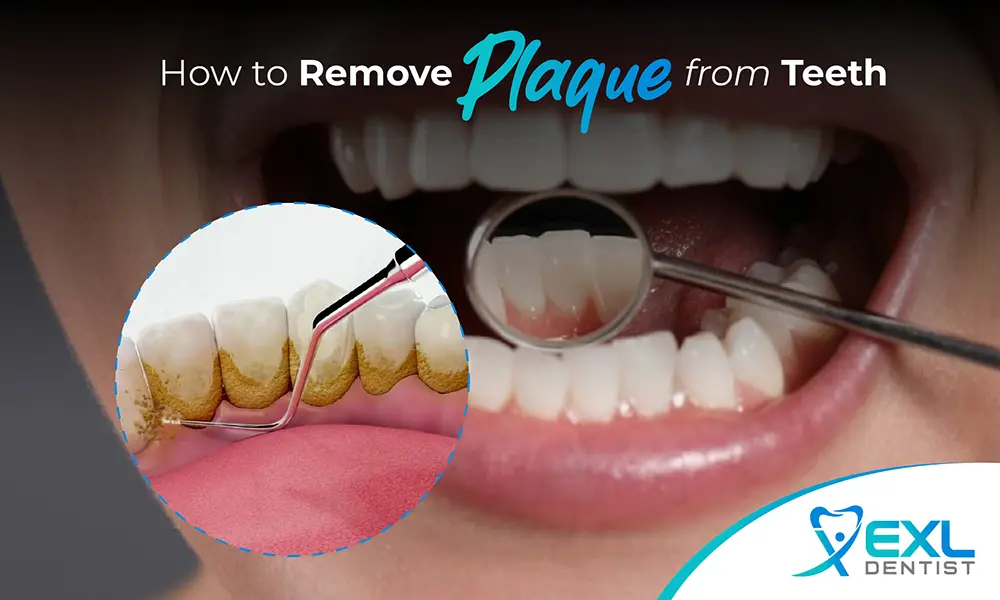
Plaque is a soft, sticky layer of bacteria that forms on your teeth every day. If it stays too long, it can harden into tartar, causing gum swelling, cavities, and bad breath. Dr. Priyanka Kumar at Dental Clinic says that taking care of plaque early helps protect your teeth and keeps your gums healthy.
What Plaque Is and Why It Matters
Plaque forms when leftover food mixes with saliva, creating a layer that sticks to your teeth. It often builds up along the gumline and between teeth, where toothbrushes can’t always reach. If not cleaned, plaque becomes tartar, which is hard and rough and can only be removed at a dental clinic. Regular cleaning of plaque prevents gum problems, tooth decay, and bleeding gums.
How to Get Rid of Plaque at Home
1. Brush Your Teeth Correctly
Brush twice a day with a soft-bristled toothbrush.
Use fluoride toothpaste to strengthen teeth and reduce bacteria.
Brush all surfaces of your teeth and along the gums where plaque tends to form.
2. Floss Daily
Floss reaches areas between teeth that a toothbrush cannot.
It removes trapped food and bacteria, preventing tartar buildup.
Flossing also keeps gums firm and prevents them from bleeding.
3. Use Mouthwash
Rinse with an antibacterial mouthwash to reduce bacteria in the mouth.
It helps clean places brushing and flossing can’t reach.
Mouthwash also freshens breath and supports gum health.
4. Watch What You Eat
Limit sugary and sticky foods that feed bacteria.
Chewing sugar-free gum helps increase saliva, which naturally cleans your teeth.
Drinking plenty of water throughout the day rinses away leftover food and reduces plaque buildup.
5. Regular Dental Checkups
Even with careful brushing, tartar can form, especially along the back teeth and near gums.
Dentists remove tartar using special tools and polish your teeth.
Routine dental visits also detect early signs of gum disease and cavities before they become serious.
Difference Between Plaque and Tartar
- Plaque is soft, sticky, and can be cleaned at home with brushing and flossing.
- Tartar is hardened plaque that forms if plaque is left for too long.
- Removing plaque early makes dental cleaning easier and prevents gum inflammation.
Signs You Have Plaque
- A fuzzy or sticky feeling on your teeth after eating.
- Gums that bleed when brushing or flossing.
- Persistent bad breath.
- Yellow or brownish deposits near the gumline.
FAQs
Q1: What is plaque on teeth?
Plaque is a sticky layer of bacteria that forms on teeth and can cause cavities or gum problems.
Q2: How can I remove tartar on my teeth?
Tartar can’t be removed at home. Only a dentist can remove it during a professional cleaning.
Q3: How often should I visit a dentist?
Visiting the dentist every six months is best for keeping teeth and gums healthy.
Q4: Can plaque be prevented naturally?
Yes. Brushing, flossing, rinsing, and eating a balanced diet all help prevent plaque.
Q5: What is the difference between plaque and tartar?
The plaque is soft and removable at home; tartar is hard and needs professional cleaning.