Cavity filling is one of the most common reasons to visit a dentist. Whenever patients call to book an appointment for cavity filling or are informed during a regular check-up, they often wonder about the procedure, potential pain, and the materials used. Let’s shed some light on this topic.
At EXL Dentists , I always inform my patients about each step, as it helps reduce anxiety and ensures an ethical approach. Knowing what will happen takes away the fear of the unknown.
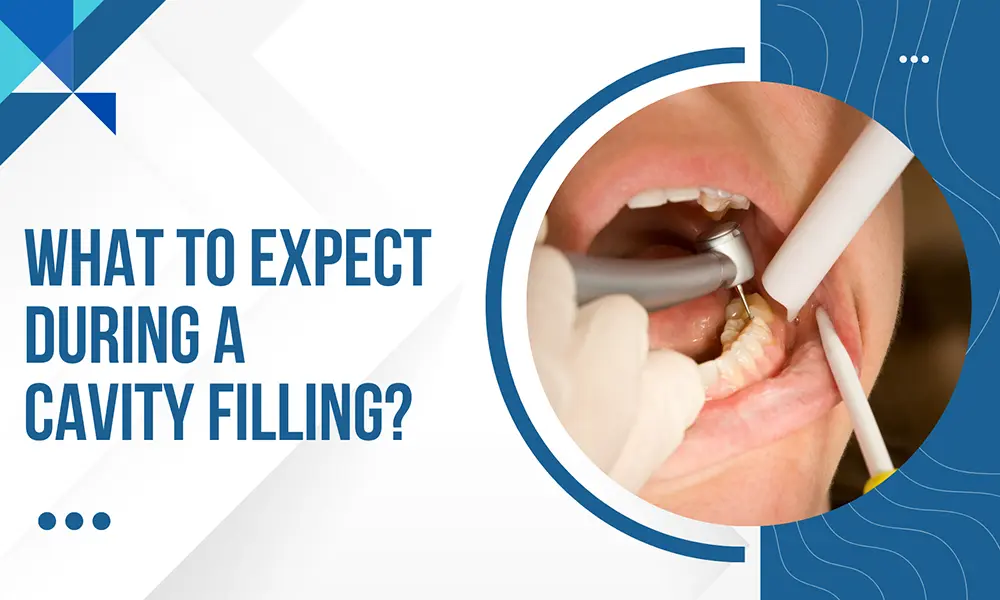
Dental cavities are treated using different techniques depending on their location and severity. The procedure begins with an accurate diagnosis and a radiograph of the affected tooth. The area is numbed to ensure a painless experience, followed by cavity removal, filling with a suitable dental material, and final shaping and polishing to ensure comfort and proper bite.
A dental cavity, also known as dental caries, is permanent damage to the tooth caused by acids from bacteria in the mouth.
Cavities start from the enamel, progress to dentine causing food lodgment, sensitivity, and mild pain, and if left untreated, reach the tooth pulp causing severe pain and infection. Regular dental visits are crucial for early detection and treatment.
Steps To Fill a Cavity
1. Diagnosis
Understanding the Problem
You will be informed about the location of your cavity and shown supporting evidence like x-rays and intraoral pictures. This transparency helps strengthen the doctor-patient relationship and ensures clarity. You may also consider general dental check-ups for comprehensive care.
2. Numbing the Area
The area of concern is numbed so the entire procedure is painless and comfortable for you.
3. Removal of Tooth Decay
Once numbed, the decayed portion of the tooth is carefully removed.
4. Filling the Tooth
Matrix System for Interproximal Cavities
If the cavity is between two teeth, a matrix band is placed to recreate the natural tooth shape and allow proper flossing afterward. This step ensures the filling restores functionality and aesthetics.
5. Shaping and Polishing
After filling, the matrix band is removed, and the filling is shaped and polished to correct the bite and ensure smoothness.
6. Bite Check
It is essential to check that the filled tooth aligns naturally with the opposing teeth, providing a comfortable bite.
Dental fillings are one of the most common procedures in dental clinics. By following this step-by-step guide, you can feel more at ease. The procedure is painless, though minor sensitivity may occur for a few days after. You may also consider teeth whitening treatments to complement your restored smile.