Dental Implants vs Bridges vs Dentures: Which Tooth Replacement Is Right for You
Losing a tooth is more common than most people realise, whether from decay, injury, or gum disease. The good news is that modern dentistry offers several reliable ways to replace it. If you live in DLF Phase 4, Gurgaon and are trying to decide between dental implants, bridges, and dentures, this guide breaks down how each option works, their pros and cons, and which situations they suit best.
Why Replacing a Missing Tooth Matters
A missing tooth is not just a cosmetic concern. Over time, neighbouring teeth can shift, chewing on one side can strain your jaw, and the bone under the gap can gradually shrink. Replacing the tooth early helps maintain your bite, facial structure, and long term oral health.
Dental Implants
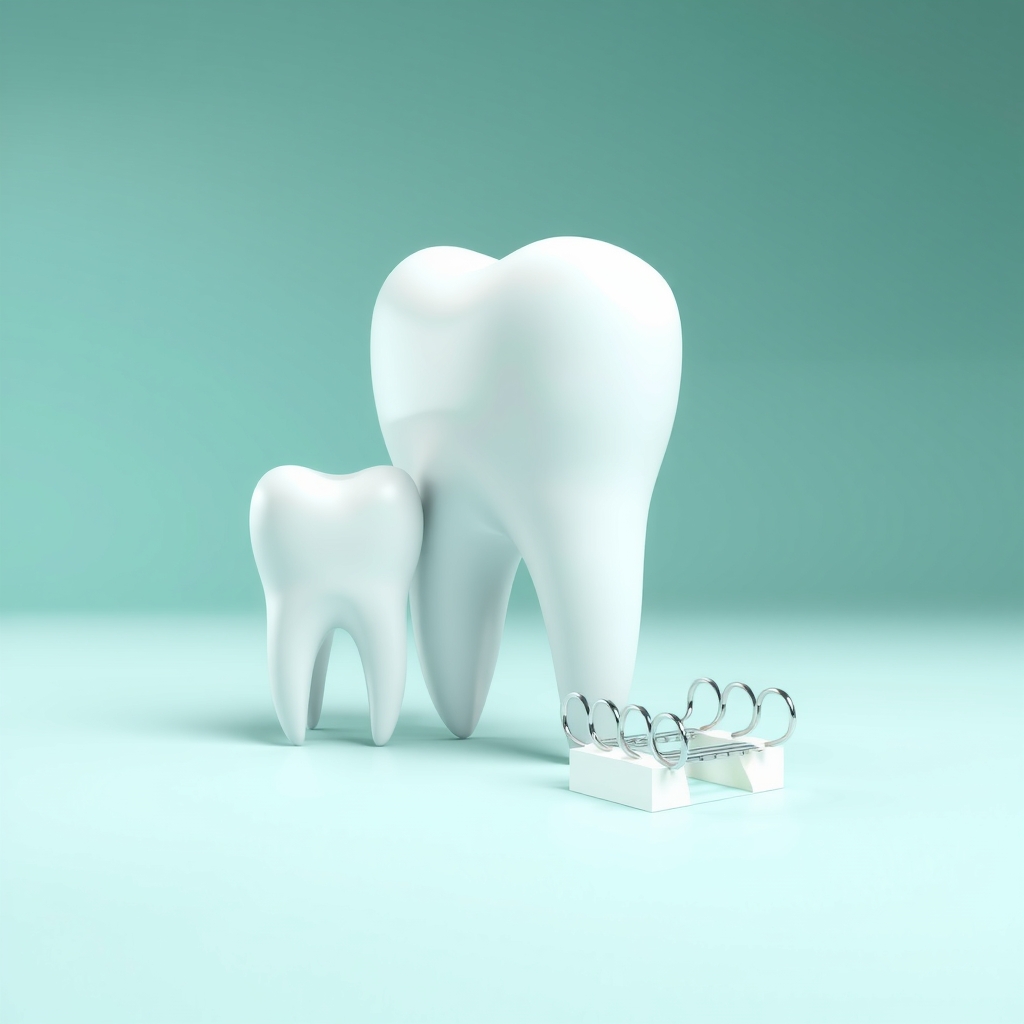
A dental implant is a titanium post placed into the jawbone, which acts as an artificial root. Once it heals and fuses with the bone, a crown is fixed on top to complete the tooth.
Pros
- Looks, feels, and functions like a natural tooth
- Does not rely on or affect neighbouring teeth
- Helps preserve jawbone density over time
- With good care, implants can last many years, often decades
Cons
- Involves a minor surgical procedure and a healing period of a few months
- Requires adequate bone volume, though bone grafting can help in some cases
- Generally the highest upfront cost among the three options
Implants tend to suit patients with one or a few missing teeth, healthy gums, and enough bone support, or those willing to undergo grafting if needed.
Dental Bridges
A bridge fills the gap using a false tooth anchored to crowns placed on the teeth on either side of the space. It is fixed in place and not removable by the patient.
Pros
- No surgery involved, and treatment is usually completed in a couple of visits
- Fixed in the mouth, so it feels stable while eating and speaking
- Often a quicker solution than implants
Cons
- Requires shaving down the healthy adjacent teeth to hold the crowns
- Does not stop bone loss in the gap area since there is no root replacement
- May need replacement after 8 to 15 years depending on care
Bridges are a sensible choice when the adjacent teeth already need crowns, or when a patient prefers to avoid a surgical procedure but still wants a fixed replacement.
Dentures
Dentures are removable appliances that replace one or more missing teeth. They can be partial, replacing a few teeth, or complete, replacing an entire arch.
Pros
- Non surgical and generally the most budget friendly option
- Can replace multiple or all missing teeth in one appliance
- Adjustable and repairable over time
Cons
- Can feel less stable than fixed options, especially early on
- May require periodic relining as the gums and bone change shape
- Chewing efficiency is usually lower compared to implants or bridges
Dentures work well for patients missing several or all teeth in an arch, those who prefer a non surgical route, or as a transitional solution while planning for implants later.
Comparing the Three Options
| Factor | Implant | Bridge | Denture |
|---|---|---|---|
| Surgery involved | Yes, minor | No | No |
| Affects neighbouring teeth | No | Yes | Sometimes, with clasps |
| Typical lifespan | Many years, often decades | 8 to 15 years | 5 to 8 years |
| Bone preservation | Good | Limited | Limited |
| Removable | No | No | Yes |
A Note on Cost
Cost is often the deciding factor for many patients in DLF Phase 4, Gurgaon. As a general guide, single implants usually fall in a typical range of Rs 35,000 to Rs 60,000 or more depending on the implant system and any bone grafting needed. A three unit bridge typically falls in a range of Rs 15,000 to Rs 40,000, while a partial or complete denture typically ranges from Rs 5,000 to Rs 25,000. These are broad estimates only, and your dentist can give you an accurate figure after an examination.
Which Option Should You Choose
There is no single right answer for everyone. The best choice depends on how many teeth are missing, the health of your remaining teeth and gums, your bone density, your budget, and how quickly you need the replacement. A short consultation with a dentist, including an X-ray or scan, is the most reliable way to know which option fits your specific case.
Have questions about your teeth?
EXL Dentists · Galleria Boulevard, DLF Phase IV, Sector 43
Frequently asked questions
Is a dental implant always better than a bridge?
Not always. Implants are excellent for long term durability and bone health, but bridges can be a good choice when the adjacent teeth already need crowns or when someone wants a faster, non surgical option.
How long do dentures usually last?
Full or partial dentures typically last 5 to 8 years before they need relining or replacing, since the jawbone and gums change shape over time.
Can I switch from dentures to implants later?
Yes, many patients start with dentures and move to implants later, either as implant supported dentures or individual implants, depending on bone health and budget.
Which option is best for a single missing tooth?
For a single missing tooth with healthy neighbouring teeth, a dental implant is usually the most conservative option since it does not affect the adjacent teeth. A bridge is a reasonable alternative if the neighbouring teeth already need crowns.
Treatment costs mentioned on this page are indicative ranges for the DLF Phase 4, Gurgaon region. Your exact cost depends on your case and will be confirmed after a clinical examination at the clinic.