How Medications Like Tetracycline Can Stain Your Teeth (And How to Fix It)
If your teeth or your child's teeth have developed a grey, brown, or yellow tinge with no clear reason like coffee or smoking, a medication could be the cause. Several common drugs are known to affect tooth colour, sometimes permanently. The good news is that most of these stains can be treated or significantly improved with the right dental approach.
Medications Known to Cause Tooth Discoloration
- Tetracycline and doxycycline: These antibiotics bind to calcium in developing teeth. If taken by a mother during pregnancy or by a child under 8 years, they can cause grey, brown, or banded staining that forms inside the tooth structure.
- Antihistamines (like diphenhydramine): Long-term use can sometimes lead to surface discoloration, partly because they reduce saliva flow, which normally helps keep teeth clean.
- Iron supplements: Liquid iron formulations, often given to children or pregnant women for anaemia, can leave dark surface stains, especially if the liquid sits on teeth before brushing.
- Chemotherapy and certain blood pressure medicines: These can alter saliva quality or enamel formation, leading to discoloration in some patients.
- Chlorhexidine mouthwash (long-term use): Though not a medicine taken orally, prolonged use of this prescribed rinse can cause brownish surface staining.
Why These Stains Behave Differently
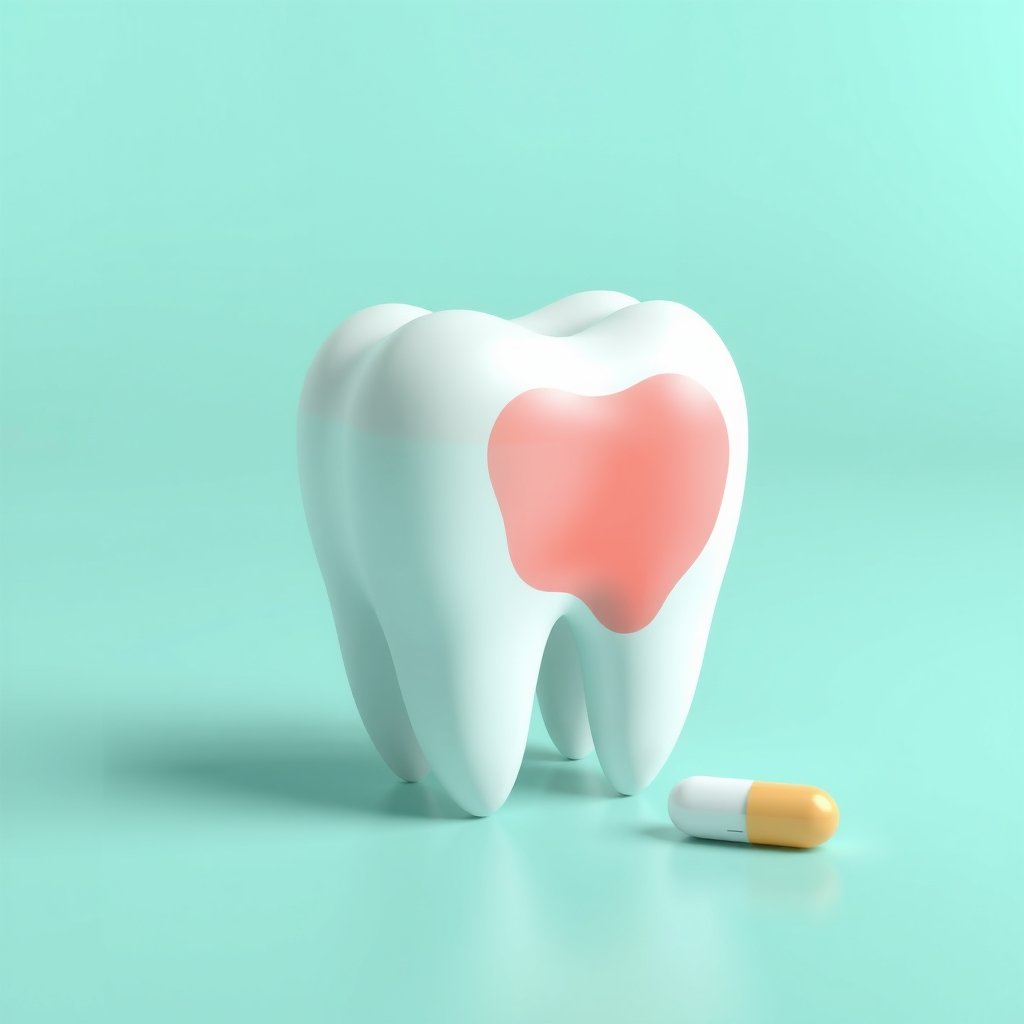
Dentists classify stains as either extrinsic (on the surface) or intrinsic (inside the tooth). Iron and antihistamine-related stains are usually extrinsic and respond well to cleaning and whitening. Tetracycline stains are intrinsic, meaning they are built into the tooth structure itself, which makes them harder to remove with whitening alone.
How We Diagnose Medication-Related Discoloration
At our DLF Phase 4 clinic, diagnosis starts with a detailed conversation about your or your child's medical history, including any antibiotics taken in early childhood or during pregnancy. We examine the pattern of staining, since tetracycline stains often appear as horizontal bands, while iron or antihistamine stains tend to be more generalised. In some cases, we may take photos over time to track changes.
Treatment Options to Restore a Natural Shade
Professional Cleaning and Whitening
For surface stains from iron supplements or antihistamines, a professional cleaning followed by in-chair or take-home whitening trays can often restore a brighter, more even shade.
Cosmetic Bonding
For mild to moderate tetracycline banding, tooth-coloured composite bonding can mask the discoloration while preserving most of the natural tooth structure.
Porcelain Veneers
For deeper or more stubborn staining, thin porcelain veneers placed over the front of the teeth give a consistent, natural-looking result that resists future staining.
Crowns
In cases of severe discoloration combined with weakened enamel, a crown may be recommended to fully restore both appearance and strength.
| Treatment | Best suited for | Typical range (INR)* |
|---|---|---|
| Professional whitening | Surface stains (iron, antihistamine) | ₹6,000 to ₹15,000 |
| Composite bonding | Mild tetracycline banding | ₹2,500 to ₹6,000 per tooth |
| Porcelain veneers | Moderate to deep staining | ₹12,000 to ₹25,000 per tooth |
| Crowns | Severe staining with weak enamel | ₹10,000 to ₹20,000 per tooth |
*These are typical ranges for DLF Phase 4, Gurgaon and can vary based on the extent of staining, materials used, and number of teeth involved. Your dentist will confirm costs after an examination.
A Note for Parents
If your child needs antibiotics, it is worth mentioning to your paediatrician or dentist if tetracycline-class drugs are being considered, especially before age 8. Similarly, when giving liquid iron supplements, having your child rinse or brush soon after can help reduce surface staining. If discoloration has already appeared, waiting for permanent teeth to fully erupt before starting cosmetic treatment is usually recommended.
Unexplained tooth discoloration is common and treatable. A proper diagnosis helps us recommend the most conservative option that restores a natural, confident smile.
Have questions about your teeth?
EXL Dentists · Galleria Boulevard, DLF Phase IV, Sector 43
Frequently asked questions
Can baby teeth get stained from medicines given in childhood?
Yes. If tetracycline-class antibiotics are taken during tooth formation (before age 8 or during pregnancy), both baby and permanent teeth can show grey, brown, or banded discoloration.
Will regular whitening remove medication stains?
Often only partially. Surface stains from iron or antihistamines usually respond well to professional cleaning and whitening, but deep tetracycline staining inside the tooth usually needs veneers or bonding for a lasting result.
Are iron supplement stains permanent?
No, iron-related stains are usually extrinsic, meaning they sit on the tooth surface. A professional cleaning and better oral hygiene during supplementation usually clears them up.
How do I know if my child's tooth discoloration is from medicine or something else?
A dental check-up is the best way to find out. Our dentists review your child's medical history, the pattern of staining, and sometimes take photos or X-rays to confirm the cause before suggesting treatment.
Treatment costs mentioned on this page are indicative ranges for the DLF Phase 4, Gurgaon region. Your exact cost depends on your case and will be confirmed after a clinical examination at the clinic.