Tooth Knocked Out? Here's What to Do in the First Few Minutes
A knocked-out tooth is one of the few dental emergencies where what you do in the first five to ten minutes genuinely decides whether the tooth can be saved. It happens often with children during play, sports, or a simple fall, and the panic that follows can make it hard to think clearly. This guide walks you through exactly what to do, step by step, so you can act fast and calmly.
Step 1: Stay Calm and Find the Tooth
Pick up the tooth carefully by the crown, which is the white chewing part. Avoid touching the root at all. The root surface has delicate living cells that help the tooth reattach later, and handling it roughly can damage them.
Step 2: Rinse Gently if Needed
If the tooth is dirty, rinse it briefly under cold running water for about 10 seconds. Do not scrub it, do not use soap, and do not wrap it in a tissue or cloth to clean it. The goal is just to remove visible dirt, not to sterilise it.
Step 3: Try to Reinsert the Tooth (Adults and Older Children Only)
If it is a permanent tooth and the person is old enough to cooperate without swallowing it, gently push the tooth back into its socket facing the correct way round. Have them bite down softly on a clean handkerchief or gauze to hold it in place. This single step offers the best chance of saving the tooth.
Do not attempt this with a baby or milk tooth. Milk teeth are never put back in place because it can harm the permanent tooth growing underneath the gum.
Step 4: If It Cannot Be Reinserted, Store It Properly
When reinsertion is not possible, whether due to the child's age, fear, or risk of swallowing, the tooth needs to be kept moist in one of the following:
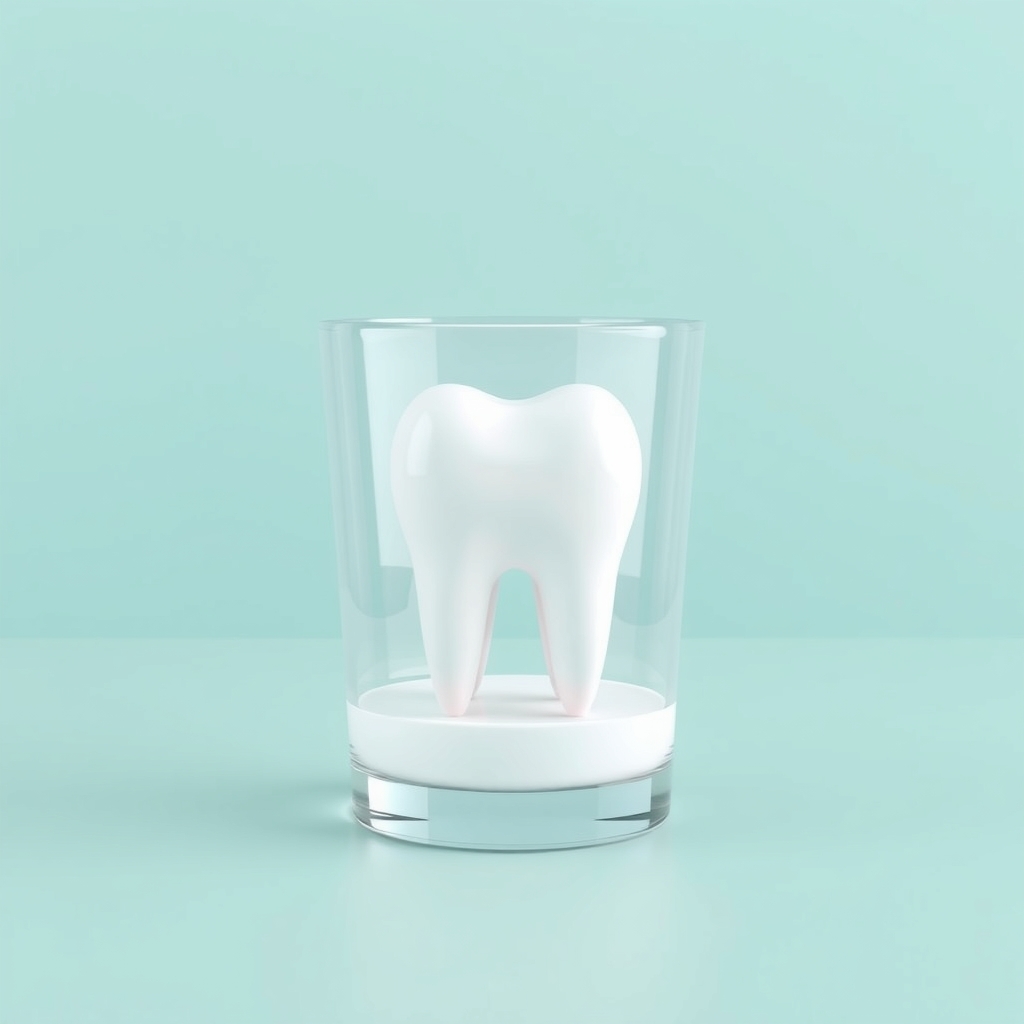
- Cold milk is usually the easiest and most effective option available at home.
- Saline solution if you have it on hand.
- The person's own saliva, by holding the tooth inside the cheek (suitable only if they are old enough not to swallow it).
- A tooth preservation kit if your sports kit or school first-aid box has one.
Never store the tooth in tap water. Plain water damages the root surface cells and significantly lowers the chance of the tooth being saved. Never let the tooth dry out, even for a minute.
Step 5: Control Bleeding and Manage Pain
Ask the person to bite down gently on a clean piece of gauze or a damp tea bag over the empty socket to control bleeding. A cold compress on the cheek near the area can reduce swelling and ease discomfort while you travel to the clinic.
Step 6: Get to a Dentist Immediately
Time is the single biggest factor in saving a knocked-out tooth. The chances of successful re-implantation are highest within the first 30 minutes and drop considerably after an hour. Call ahead so the clinic can prepare for your arrival.
If you are in DLF Phase 4, Gurgaon, or nearby, call EXL Dentists at +91 99101 19555 while someone is already on the way with the tooth stored correctly. Our team at Galleria Boulevard handles dental trauma cases and can guide you over the phone on the drive over.
Quick Reference Table
| Do | Avoid |
|---|---|
| Hold the tooth by the crown only | Touching or scraping the root |
| Rinse briefly with cold water if dirty | Scrubbing or using soap |
| Store in cold milk or saliva | Storing in tap water or letting it dry |
| Reinsert if it's a permanent tooth and possible | Reinserting a baby tooth |
| Reach a dentist within 30 to 60 minutes | Waiting or delaying treatment |
What Happens at the Clinic
At the clinic, the dentist will clean the socket, check the tooth and surrounding gum for damage, and if conditions allow, re-implant and splint the tooth to neighbouring teeth to hold it steady while it reattaches. In many cases, a short course of antibiotics or a review of tetanus status is also advised, along with follow-up visits to monitor healing of the root and nerve over the following weeks and months.
Costs for emergency trauma treatment vary depending on whether re-implantation, splinting, or a root canal is eventually needed. As a general guide, the typical range for emergency knocked-out tooth treatment in DLF Phase 4, Gurgaon spans from a few thousand rupees for a straightforward re-implantation and splint to a higher amount if root canal treatment or a crown becomes necessary later. Your dentist will confirm exact costs after an examination.
Have questions about your teeth?
EXL Dentists · Galleria Boulevard, DLF Phase IV, Sector 43
Frequently asked questions
Can a baby tooth be put back in place?
No. Baby (milk) teeth are not re-implanted because doing so can damage the permanent tooth bud underneath. Still call a dentist right away so they can check the gum and surrounding teeth.
What is the best liquid to store a knocked-out tooth in?
Cold milk is the most reliable option for most households. Saline solution or saliva (keeping the tooth in the cheek, for older children and adults) also work. Avoid tap water.
How long can a tooth survive outside the mouth?
The chances of successful re-implantation drop sharply after 30 to 60 minutes outside the mouth, and fall further after an hour. Acting within the first few minutes gives the best outcome.
Should I go to a hospital or a dental clinic for a knocked-out tooth?
A dental clinic that handles trauma cases, like EXL Dentists in DLF Phase 4, is usually the right first call. If there are signs of a head injury, jaw fracture, or heavy uncontrolled bleeding, go to the emergency room first.
Treatment costs mentioned on this page are indicative ranges for the DLF Phase 4, Gurgaon region. Your exact cost depends on your case and will be confirmed after a clinical examination at the clinic.