Electric vs Manual Toothbrush: A Complete Comparison Guide
Choosing between an electric and a manual toothbrush is one of the most common questions we hear from patients across DLF Phase 4, Gurgaon. Both can keep your teeth clean if used correctly, but each has strengths that suit different ages, habits, and dental conditions. This guide breaks it down so you can pick what actually works for your household.
How Electric and Manual Toothbrushes Compare
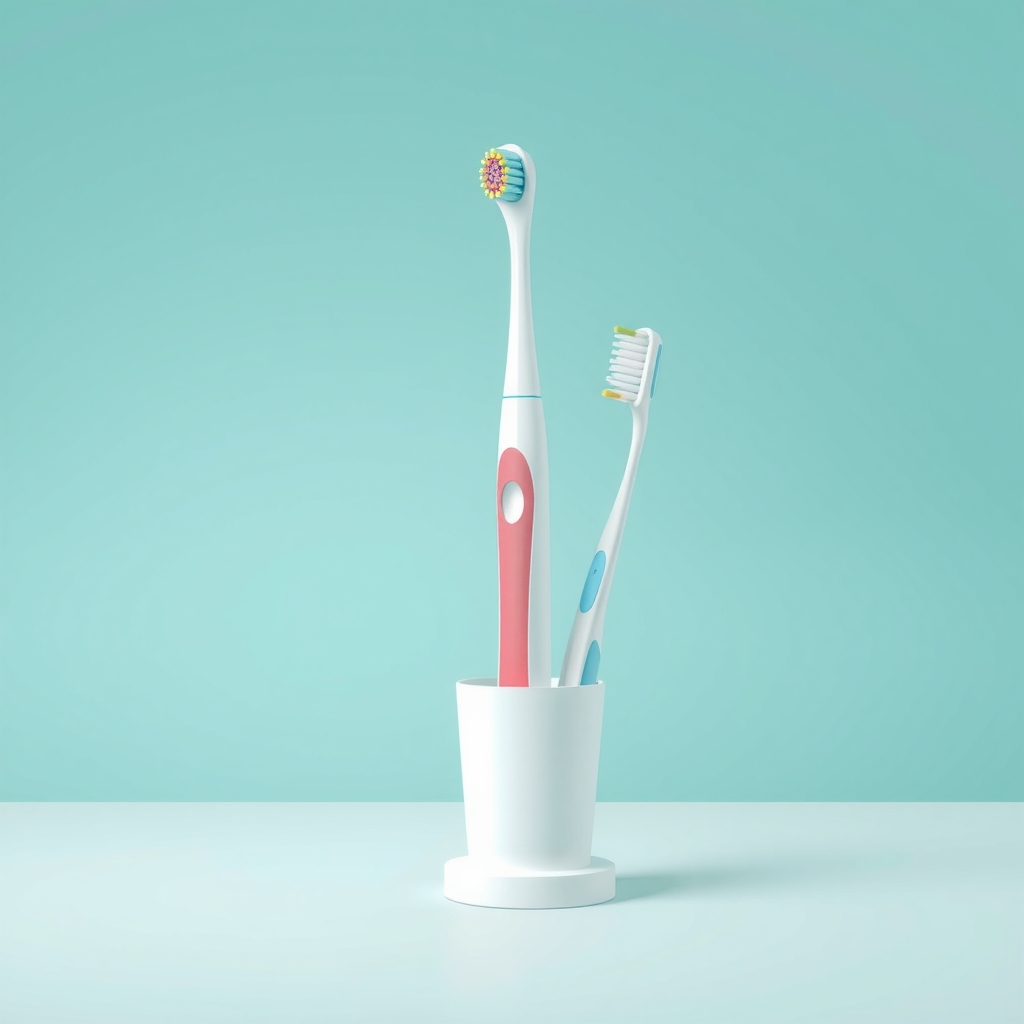
The core difference is the type of motion. Manual brushes rely on your hand movement, while electric brushes use vibration, oscillation, or rotation to do much of the cleaning work for you.
| Factor | Manual Toothbrush | Electric Toothbrush |
|---|---|---|
| Plaque removal | Effective with correct technique | Often slightly more effective, especially oscillating types |
| Ease of use for kids or elderly | Requires good motor control | Easier since brush does the motion |
| Cost | Low, typical range Rs. 20 to Rs. 150 | Higher, typical range Rs. 1,500 to Rs. 8,000 plus brush head refills |
| Travel friendliness | Very convenient | Needs charging or batteries |
| Pressure control | Depends on user awareness | Many models have pressure sensors |
| Maintenance | Replace brush every 3 months | Replace head every 3 months, charge battery |
Pros and Cons of Manual Toothbrushes
- Pros: Affordable, widely available, no charging needed, simple to use for travel or quick trips.
- Cons: Effectiveness depends heavily on brushing technique and duration, easy to brush too hard or too fast without realising it.
Pros and Cons of Electric Toothbrushes
- Pros: Consistent brushing motion, built in timers to encourage full two minute brushing, pressure sensors to prevent aggressive scrubbing, often easier for people with limited hand mobility.
- Cons: Higher upfront cost, ongoing cost of replacement heads, requires charging, less convenient for frequent travel.
Best Choice by Age Group
Young Children (Ages 3 to 7)
Manual brushes are fine if a parent supervises and helps with technique. Kid friendly electric brushes with fun timers can make brushing feel less like a chore and encourage the full two minutes, but supervision still matters more than the brush type.
Teenagers and Adults
Either option works well if used correctly. Electric brushes can help teens and busy adults who tend to rush brushing, since the built in timer keeps them honest about duration.
Seniors and People with Limited Dexterity
Electric toothbrushes are usually easier here. Conditions like arthritis, Parkinson's, or general reduced grip strength make the wider, easier to hold handle of an electric brush more manageable than fine hand movements needed for manual brushing.
Best Choice by Dental Condition
- Gum disease or gingivitis: Electric brushes with gentle or sensitive modes can clean along the gumline more consistently without added pressure.
- Braces or orthodontic appliances: Electric brushes with small heads and orthodontic attachments can reach around brackets more easily, though manual interdental brushes are still needed alongside either type.
- Tooth sensitivity: Both work, but electric brushes with pressure sensors help avoid the heavy handed brushing that often worsens sensitivity.
- Recent dental surgery or extractions: A soft manual brush is often recommended immediately after procedures until your dentist clears you for regular brushing again.
What Actually Matters Most
Regardless of which type you choose, the biggest factors in oral health remain the same. Brush for a full two minutes, twice a day. Use a soft bristled brush or head. Do not press too hard. Replace the brush or brush head every three months. Floss daily, since no toothbrush reaches between teeth.
If you are still unsure which option suits your family, our team at EXL Dentists in DLF Phase 4, Gurgaon can look at your specific dental history and recommend what fits best. Sometimes a mix works well too, manual for travel days and electric for your regular home routine.
Whichever brush you use, regular dental checkups help catch small issues early, whether that is plaque buildup, early gum disease, or wear from brushing technique. Bring your toothbrush questions to your next visit and we will help you fine tune your routine.
Have questions about your teeth?
EXL Dentists · Galleria Boulevard, DLF Phase IV, Sector 43
Frequently asked questions
Is an electric toothbrush really better than a manual one?
Studies show electric toothbrushes, especially oscillating-rotating types, can remove slightly more plaque than manual brushing. But a manual toothbrush used correctly for two minutes twice a day still cleans effectively. The bigger factor is technique and consistency, not just the tool.
At what age can a child use an electric toothbrush?
Most dentists suggest waiting until a child is around 3 years old and can spit out toothpaste on their own. Choose a small kids sized brush head and always supervise brushing until age 7 or 8.
Do electric toothbrushes damage gums or enamel?
Not if used correctly. Pressure sensors on many electric brushes actually help prevent hard scrubbing that can wear down gums and enamel. Problems usually come from pressing too hard, not from the brush type itself.
Which is better for someone with braces or sensitive teeth?
Electric toothbrushes with soft, small heads and gentle modes are often easier for cleaning around braces and for people with sensitive teeth, since they do the scrubbing motion for you at a controlled pressure.
Treatment costs mentioned on this page are indicative ranges for the DLF Phase 4, Gurgaon region. Your exact cost depends on your case and will be confirmed after a clinical examination at the clinic.