Dental Veneers: Types, Procedure, and Aftercare Explained
If you have been researching ways to improve the look of chipped, stained, or slightly uneven teeth, you have probably come across dental veneers. Many patients visiting our clinic on Galleria Boulevard, DLF Phase IV ask the same questions: what are veneers actually made of, how is the procedure done, and how do you keep them looking good for years. This guide covers all of that in plain language.
What Are Dental Veneers?
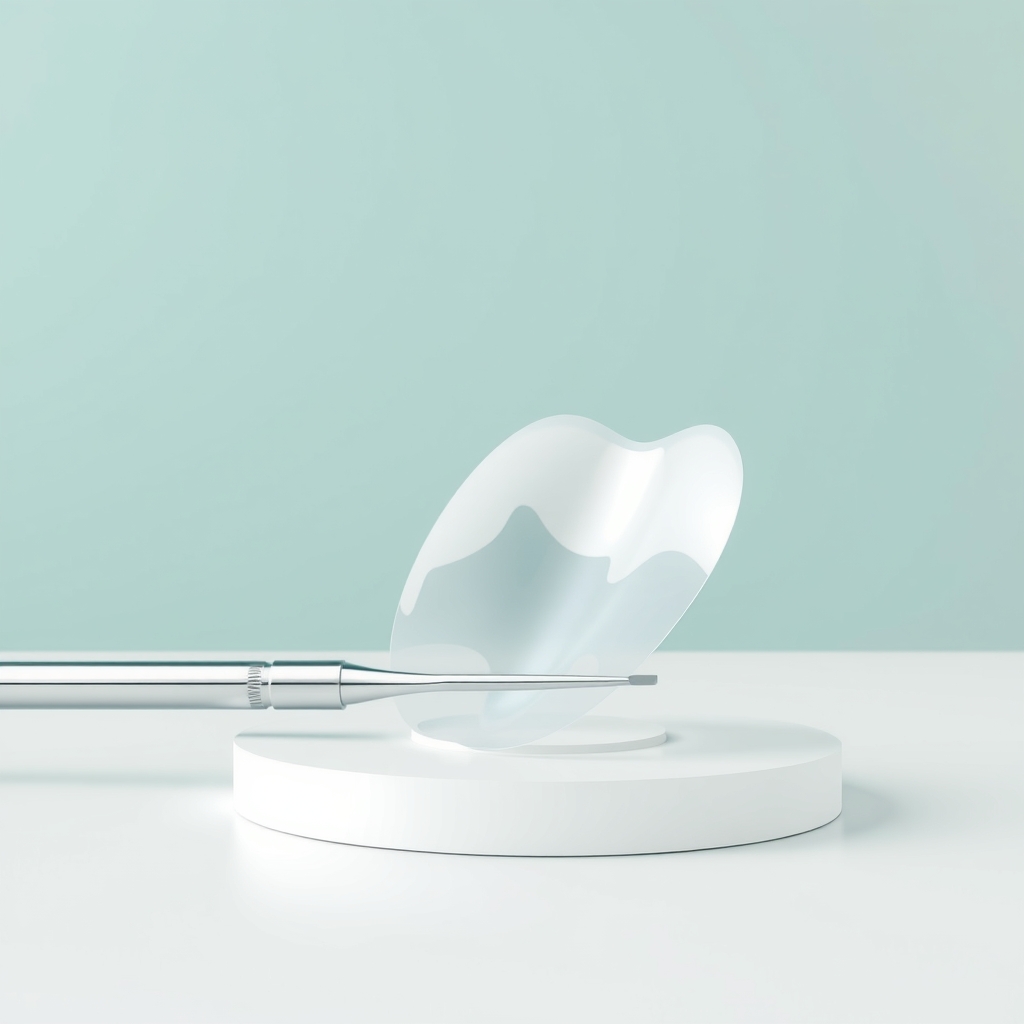
A veneer is a thin shell that is bonded to the front surface of a tooth to change its color, shape, or size. Veneers are commonly used to cover stains that do not respond to whitening, close small gaps, fix chipped edges, or make a smile look more even. They are a cosmetic solution and are usually placed on front teeth that show when you smile.
Porcelain Veneers vs Composite Veneers
The two main types differ in material, cost, durability, and how they are made.
Porcelain Veneers
- Made from thin ceramic shells crafted in a dental lab based on your tooth impressions
- More resistant to staining over time
- Generally last longer, often 10 to 15 years with proper care
- Requires two visits since the shells are custom made outside the clinic
- Usually needs a small amount of enamel removed to fit properly
Composite Veneers
- Made from a tooth-colored resin applied and shaped directly on the tooth
- Can often be completed in a single visit
- More affordable upfront but may need touch-ups sooner
- Easier to repair if chipped, since the dentist can add more resin
- Typically lasts 4 to 8 years depending on care and habits
| Factor | Porcelain | Composite |
|---|---|---|
| Visits needed | Two | Usually one |
| Stain resistance | High | Moderate |
| Typical lifespan | 10 to 15 years | 4 to 8 years |
| Repairability | Harder, often needs replacement | Easier to repair chairside |
| Typical cost range | Higher, typical range varies per tooth | Lower, typical range varies per tooth |
Exact costs depend on the number of teeth involved, the lab used, and the complexity of your case. For patients in DLF Phase 4, Gurgaon, we discuss a clear typical range during your consultation once we assess your teeth.
Step-by-Step Veneer Procedure
1. Consultation and Smile Assessment
Your dentist examines your teeth and gums, discusses your goals, and checks whether veneers are the right fit or if another treatment would serve you better. X-rays may be taken to rule out underlying issues like decay or gum disease.
2. Tooth Preparation
For porcelain veneers, a thin layer of enamel is gently removed from the front of the tooth to make room for the shell. Composite veneers often need little to no removal. Local anesthesia can be used if needed for comfort.
3. Impressions or Digital Scans
For porcelain veneers, impressions or digital scans are sent to a dental lab to fabricate custom shells matched to your desired shape and shade. A temporary veneer may be placed while you wait.
4. Bonding
Once ready, the veneer is checked for fit and color match, then bonded to the tooth using a strong dental adhesive. For composite veneers, the resin is layered, shaped, and hardened with a curing light directly at the chair.
5. Final Polishing and Bite Check
Your dentist trims any excess material, polishes the surface for a natural shine, and checks that your bite feels comfortable and even.
Caring for Your Veneers
- Brush twice daily with a non-abrasive toothpaste and floss gently around the veneer edges
- Avoid biting hard objects like ice, pens, or fingernails
- Use a mouthguard if you play contact sports or grind your teeth at night
- Limit staining drinks like coffee, tea, and red wine, especially with composite veneers
- Visit your dentist for regular checkups so any wear or chipping is caught early
With sensible care, veneers can be a long-lasting way to feel more confident about your smile. If you are considering veneers and want honest guidance on which type suits your teeth, our team at EXL Dentists in DLF Phase 4 is happy to walk you through your options.
Have questions about your teeth?
EXL Dentists · Galleria Boulevard, DLF Phase IV, Sector 43
Frequently asked questions
How long do dental veneers last?
Porcelain veneers typically last 10 to 15 years with good care, while composite veneers usually last 4 to 8 years before needing repair or replacement. Lifespan depends on your bite, habits, and oral hygiene.
Do veneers damage the natural tooth underneath?
Porcelain veneers usually require removing a thin layer of enamel, which is permanent. Composite veneers often involve minimal to no enamel removal. Your dentist will explain what your specific case needs during the consultation.
Can veneers be whitened later?
No, veneers do not respond to whitening treatments the way natural teeth do. If you want a brighter shade, it is best to whiten your natural teeth before veneers are placed and choose a shade you are happy with long term.
Are veneers a good option for crooked teeth?
Veneers can mask minor spacing, chips, and shape irregularities, but they are not a substitute for orthodontic treatment. If teeth are significantly misaligned, your dentist may suggest braces or aligners first.
Treatment costs mentioned on this page are indicative ranges for the DLF Phase 4, Gurgaon region. Your exact cost depends on your case and will be confirmed after a clinical examination at the clinic.