Dental Sealants for Children: Protecting Molars from Cavities
Cavities in children are common, and the back teeth, or molars, are usually the first to be affected. This is because molars have deep grooves and pits on their chewing surfaces where food particles and bacteria can get trapped, even with regular brushing. Dental sealants are a simple, protective coating that helps close off these grooves and keep cavities from forming. Many parents in DLF Phase 4, Gurgaon ask us about sealants during their child's routine dental visit, so here is what you need to know.
What Are Dental Sealants?
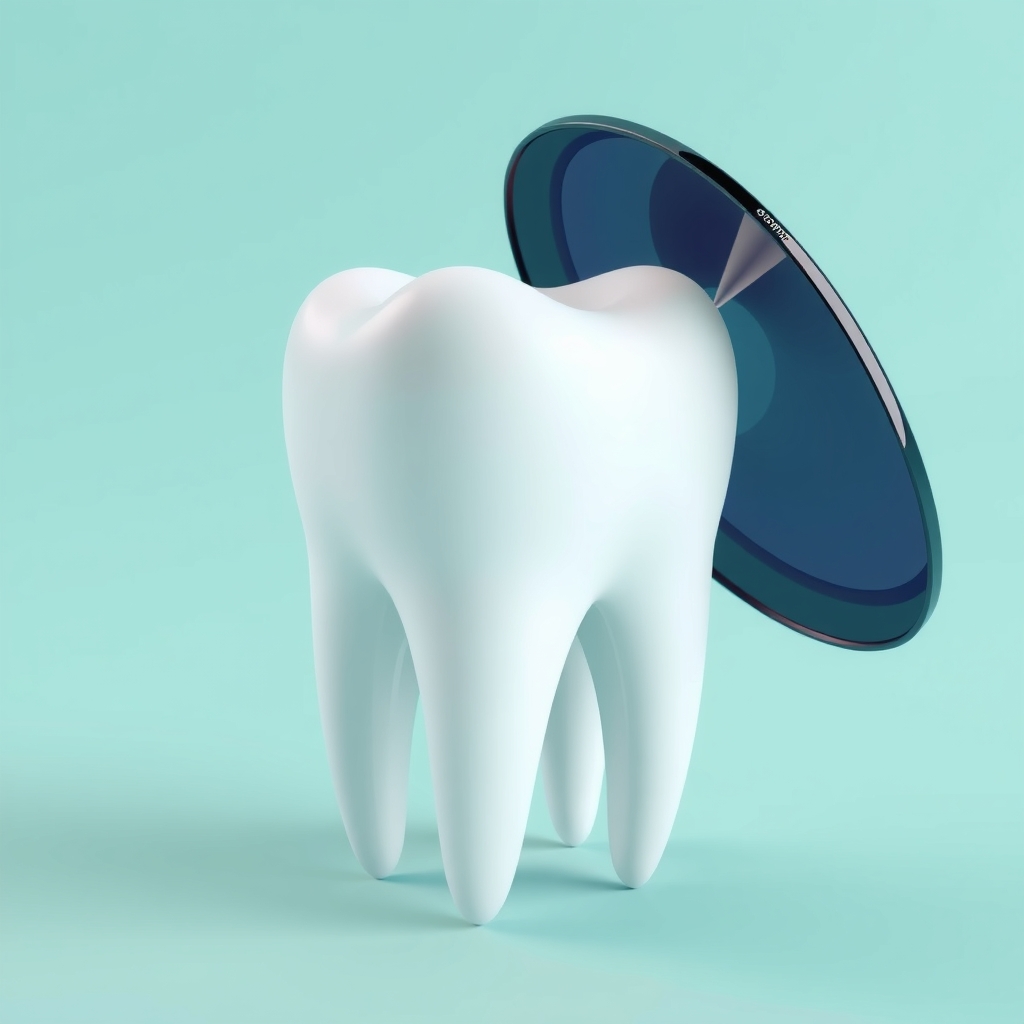
A dental sealant is a thin, tooth-coloured or clear coating painted onto the chewing surface of a molar. It flows into the natural grooves of the tooth and hardens, creating a smooth barrier that keeps food and bacteria from settling into those hard-to-clean areas. Think of it as a protective shield for the parts of the tooth that a toothbrush bristle often cannot reach effectively.
How Sealants Protect Against Cavities
Children's molars, especially the first and second permanent molars, have deep pits and fissures that are difficult to clean thoroughly, even with good brushing habits. Bacteria in the mouth feed on leftover food particles and produce acids that gradually wear down enamel, leading to decay.
By sealing these grooves, sealants reduce the surface area where bacteria and food debris can accumulate. This lowers the chances of cavities forming in molars, particularly in the first few years after the teeth erupt, which is when they are most vulnerable.
Who Benefits Most from Sealants
- Children whose permanent molars have just come in, usually around age 6 and again around age 12
- Children with deep grooves or pits in their molars
- Children who are more prone to cavities due to diet or brushing habits
- Some children with baby molars that have deep fissures, if the dentist feels they are at risk
The Sealant Application Process
Getting a sealant applied is a quick, painless, and non-invasive procedure. It does not involve any drilling, anaesthesia, or removal of tooth structure. Here is what typically happens during the visit:
- Cleaning the tooth: The dentist first cleans and dries the molar to make sure the surface is free of any debris.
- Preparing the surface: A mild acidic gel is applied briefly to slightly roughen the tooth's surface. This helps the sealant bond better. The gel is then rinsed off and the tooth is dried again.
- Applying the sealant: The liquid sealant material is painted directly into the grooves and pits of the tooth.
- Curing the sealant: A special light is used to harden the sealant within seconds, forming a solid protective layer.
- Checking the bite: The dentist checks that the sealant feels comfortable and does not interfere with normal biting and chewing.
The entire process for one tooth usually takes just a few minutes, and most children tolerate it well since there is no discomfort involved.
Caring for Sealants at Home
Sealants do not require any special care beyond normal oral hygiene. Encourage your child to continue brushing twice a day with a fluoride toothpaste, floss daily, and avoid excessive sugary or sticky snacks. Regular dental checkups are still important, as the dentist will monitor the sealant's condition and reapply it if it wears down over time.
Are Sealants a Substitute for Fluoride or Good Habits?
Sealants work alongside fluoride treatments and good oral hygiene, not instead of them. Fluoride strengthens the entire tooth enamel, while sealants specifically protect the grooved chewing surfaces most prone to decay. Using both approaches, along with a balanced diet and regular brushing, gives children the best chance of avoiding cavities during their growing years.
Cost of Dental Sealants
The cost of dental sealants depends on the number of teeth being treated and the material used. In DLF Phase 4, Gurgaon, the typical range for sealants per tooth is generally modest compared to the cost of treating a cavity later. Your dentist can give you a clear estimate after examining your child's teeth and discussing which molars would benefit most.
If you are considering sealants for your child, a dental checkup is the best way to find out if they are a good fit. Our team at EXL Dentists on Galleria Boulevard, DLF Phase IV can assess your child's teeth and walk you through the options during a routine visit.
Have questions about your teeth?
EXL Dentists · Galleria Boulevard, DLF Phase IV, Sector 43
Frequently asked questions
At what age should my child get dental sealants?
Most dentists recommend sealants soon after the permanent first molars come in, usually around age 6, and again when the second molars erupt around age 12. Sealants can also be placed on baby molars if a child has deep grooves and a high risk of cavities.
Are dental sealants safe for children?
Yes. Sealants have been used safely for decades. The material is applied only to the chewing surface of the tooth and hardens quickly with a curing light. There is no drilling and no removal of tooth structure involved.
How long do dental sealants last?
Sealants typically last several years, often 3 to 5 years or longer, depending on chewing habits and diet. Your dentist will check them at routine visits and reapply if they wear down or chip.
Do sealants replace the need for brushing and checkups?
No. Sealants are an added layer of protection, not a substitute. Your child still needs to brush twice daily, floss, eat sensibly, and visit the dentist regularly for cleanings and checkups.
Treatment costs mentioned on this page are indicative ranges for the DLF Phase 4, Gurgaon region. Your exact cost depends on your case and will be confirmed after a clinical examination at the clinic.