Dental Emergency First Aid: What To Do Before You Reach The Dentist
Dental emergencies rarely happen at a convenient time. A sudden fall, a bite into something hard, or a toothache that flares up at night can leave you unsure of what to do next. Knowing the right first-aid steps in the first few minutes can make a real difference to how well a tooth can be saved. This guide walks you through common dental emergencies and when it is time to head to a dentist in DLF Phase 4, Gurgaon.
Knocked-Out Tooth (Avulsed Tooth)
A permanent tooth that has been completely knocked out needs urgent attention. The chances of saving it drop quickly after 30 to 60 minutes, so speed matters.
- Pick up the tooth by the crown (the white chewing part), never by the root.
- If it is dirty, rinse it gently with milk or saline for a few seconds. Do not scrub it or use soap.
- If possible, try to gently place the tooth back into its socket and bite down softly on a clean cloth to hold it in place.
- If you cannot reinsert it, place the tooth in a container of cold milk, saline, or the patient's own saliva. Avoid tap water.
- Get to a dentist immediately, ideally within 30 minutes.
Note: baby teeth should never be reinserted, but the child should still be checked by a dentist.
Broken or Chipped Tooth
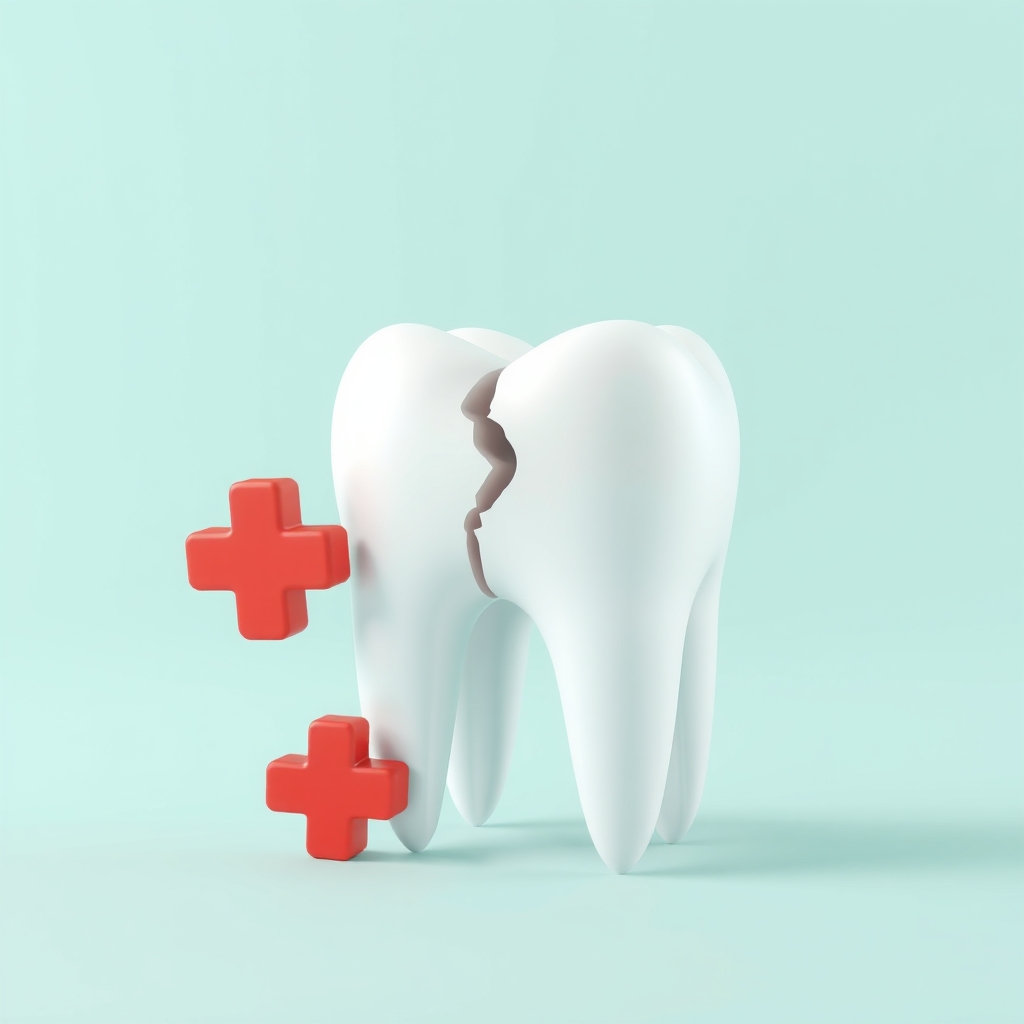
A cracked or broken tooth can happen from a fall, a sports injury, or biting down on something hard.
- Rinse your mouth gently with warm water to clean the area.
- If there is bleeding, apply gentle pressure with a clean piece of gauze.
- Save any broken tooth fragments if you can find them and bring them with you.
- Apply a cold compress to the outside of the cheek to reduce swelling and pain.
- Avoid chewing on that side and stay away from very hot or cold food and drinks.
Even a small chip can expose sensitive inner layers of the tooth, so it is best to have it checked within a day or two rather than waiting.
Severe Toothache
A sudden, intense toothache is often a sign of infection, decay reaching the nerve, or a cracked tooth.
- Rinse your mouth with warm salt water to clear any food debris.
- Use dental floss gently to check if something is stuck between the teeth.
- Take a standard dose of an over-the-counter painkiller like paracetamol or ibuprofen if you have no allergies or restrictions.
- Apply a cold compress on the outside of the face near the painful area.
- Do not place aspirin or any painkiller directly on the gum, as this can burn the tissue.
Other Common Emergencies
Lost Filling or Crown
Keep the crown safe if it comes out. A small dab of temporary dental cement or even sugar-free chewing gum can cover the gap short term, but see a dentist soon to avoid further damage.
Object Stuck Between Teeth
Use dental floss carefully. Never use sharp objects like pins or needles, as they can injure your gums.
Soft Tissue Injury (Cheek, Tongue, Lip)
Rinse the area with warm salt water and apply gentle pressure with clean gauze to control bleeding. If bleeding does not stop within 15 minutes, seek immediate care.
When To Rush To A Dentist Immediately
Some situations need urgent, same-day attention rather than a routine appointment.
- A permanent tooth has been knocked out
- There is uncontrolled bleeding from the mouth
- Facial swelling is spreading, especially near the eye or affecting breathing or swallowing
- You have fever along with tooth pain, suggesting a spreading infection
- A tooth is broken with visible nerve exposure (pink or bleeding centre)
If you are in or around DLF Phase 4, Sector 43, EXL Dentists at Galleria Boulevard can see emergency cases and guide you on immediate steps over the phone. Call +91 99101 19555 as soon as the emergency happens so the team can prepare for your arrival.
| Emergency | First Step | Time to See a Dentist |
|---|---|---|
| Knocked-out tooth | Store in milk or saliva | Within 30 minutes |
| Broken tooth | Rinse, save fragments | Same day or next day |
| Severe toothache | Salt water rinse, painkiller | Same day if severe |
| Lost crown or filling | Cover with temporary cement | Within a few days |
Costs for emergency dental care vary depending on what treatment is needed after examination. A typical range for a basic emergency visit and temporary fix in DLF Phase 4, Gurgaon is modest, while procedures like root canal treatment or tooth splinting cost more. Your dentist will always explain the treatment plan and costs before proceeding.
Staying calm and acting quickly in the first few minutes of a dental emergency protects your teeth and reduces pain. When in doubt, it is always safer to call a dentist and describe what happened rather than waiting it out at home.
Have questions about your teeth?
EXL Dentists · Galleria Boulevard, DLF Phase IV, Sector 43
Frequently asked questions
Can I wait until morning if my toothache is bearable with painkillers?
If the pain is mild and controlled with over-the-counter medicine, you can wait for a regular appointment. But if pain is severe, keeps you up at night, or comes with swelling or fever, do not wait, see a dentist the same day.
What is the best liquid to store a knocked-out tooth in?
Cold milk is best if available. Saline solution or the patient's own saliva also work. Avoid tap water, as it can damage the root surface cells needed for reattachment.
Is it safe to take painkillers for a dental emergency before seeing a dentist?
A standard dose of paracetamol or ibuprofen is generally safe for adults without other health conditions. Avoid placing aspirin directly on the gum or tooth, as it can burn the tissue. Always check with a pharmacist if you take other medicines.
How much does emergency dental treatment cost in Gurgaon?
It depends on the treatment needed. A typical range for emergency consultation and basic treatment like a temporary filling starts modestly, while procedures like root canal or splinting cost more. Your dentist will explain options and costs before starting any treatment.
Treatment costs mentioned on this page are indicative ranges for the DLF Phase 4, Gurgaon region. Your exact cost depends on your case and will be confirmed after a clinical examination at the clinic.