Types of Dental Bridges and How to Choose the Right One
Missing one or more teeth can affect how you chew, speak, and smile. A dental bridge is a common and reliable way to close that gap by fixing a replacement tooth in place, supported by neighbouring teeth or dental implants. If you live near DLF Phase 4, Gurgaon and are weighing your options, this guide explains the main types of bridges, how the procedure works, and how to care for your bridge afterward.
What Is a Dental Bridge?
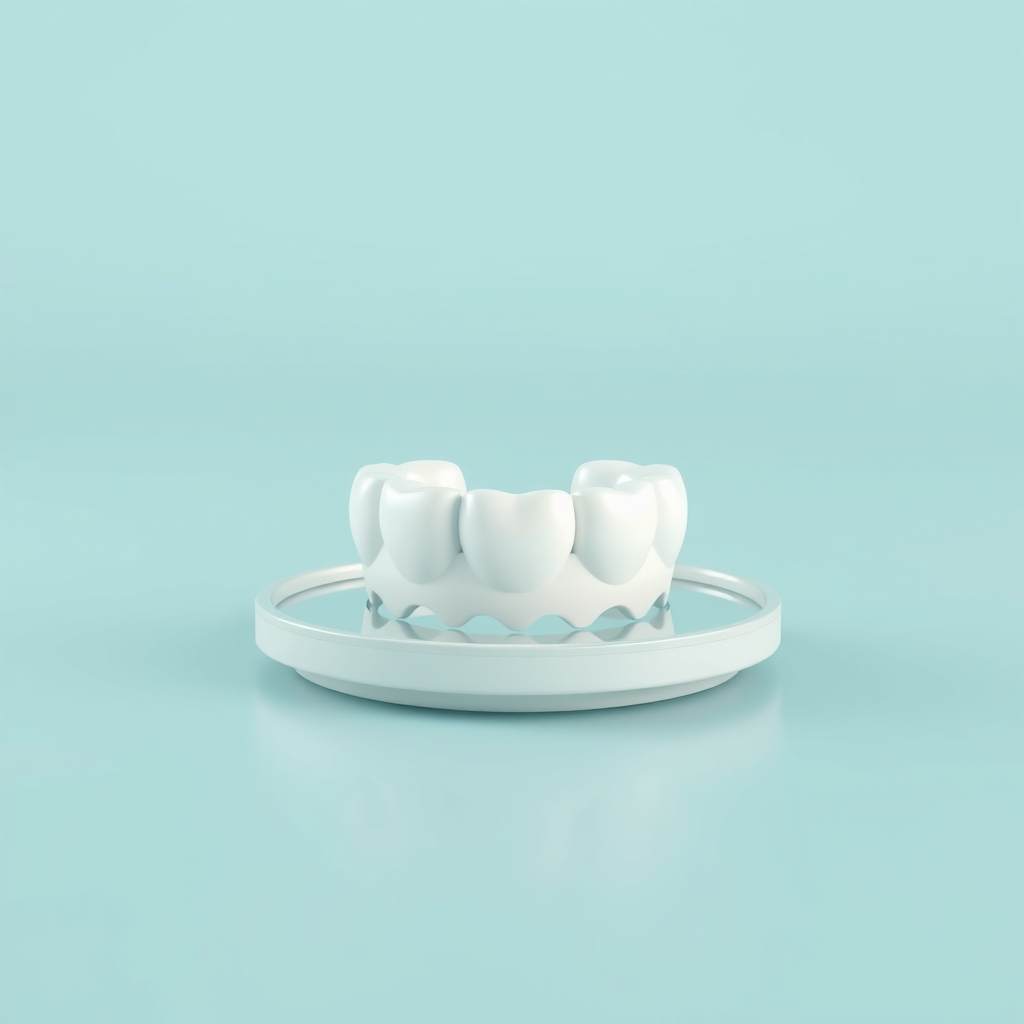
A dental bridge is a fixed restoration that replaces one or more missing teeth. It typically consists of a false tooth, called a pontic, held in place by crowns or connections on either side. Unlike removable dentures, bridges stay fixed in your mouth and function much like natural teeth once they settle in.
Types of Dental Bridges
Traditional Bridge
This is the most common type. The pontic is held in place by dental crowns cemented onto the teeth on both sides of the gap. It works well when the adjacent teeth are healthy enough to support crowns and is a good option for replacing one or two teeth in a row.
Cantilever Bridge
A cantilever bridge is supported by a crown on only one side of the gap, rather than both. It is sometimes used when there is only one healthy tooth next to the missing space. Because it relies on a single support, your dentist will assess whether your bite and tooth strength make this a suitable option.
Maryland Bridge
Also known as a resin-bonded bridge, this type uses a metal or porcelain framework bonded to the back of neighbouring teeth, rather than crowns that cover them fully. It is more conservative since it preserves more of the natural tooth structure, and it is often considered for front teeth where biting force is lower.
Implant-Supported Bridge
Instead of using natural teeth for support, this bridge is anchored to one or more dental implants placed in the jawbone. It is often recommended when several teeth are missing in a row, as it avoids placing extra load on natural teeth and can feel very stable. This option usually involves a longer treatment timeline since the implant needs time to integrate with the bone.
| Bridge Type | Support | Best Suited For |
|---|---|---|
| Traditional | Crowns on both sides | One or two missing teeth with healthy neighbours |
| Cantilever | Crown on one side | Limited cases with a single healthy supporting tooth |
| Maryland | Bonded framework | Front teeth, minimal tooth reduction preferred |
| Implant-Supported | Dental implants | Multiple missing teeth, no reliance on natural teeth |
How the Procedure Works
- Examination and X-rays to assess the gap, surrounding teeth, and bone health.
- Preparation of supporting teeth, if required, by gently reshaping them for crowns or bonding.
- Taking impressions or digital scans to create a bridge that fits your bite precisely.
- Placement of a temporary bridge while your custom bridge is being made.
- Fitting and cementing or bonding the final bridge, with adjustments for comfort and bite alignment.
For implant-supported bridges, there is an additional step where the implant is placed first and allowed to heal for a few months before the bridge is attached.
Cost Considerations
The cost of a dental bridge depends on the type chosen, the number of teeth being replaced, and the materials used. In DLF Phase 4, Gurgaon, the typical range for a traditional or cantilever bridge is different from an implant-supported bridge, which generally costs more due to the surgical component. Your dentist can give you a clear estimate after examining your teeth and discussing which option suits you best.
Aftercare Tips
- Brush twice daily and clean under the bridge using floss threaders or interdental brushes designed for bridges.
- Avoid biting down on very hard foods like ice or hard candy, which can damage the bridge.
- Visit your dentist for regular checkups so the fit and supporting teeth can be monitored.
- If you grind your teeth at night, ask your dentist about a night guard to protect your bridge.
- Report any looseness, discomfort, or changes in your bite to your dentist promptly.
Choosing the Right Bridge for You
The best type of bridge depends on which teeth are missing, the health of your remaining teeth, your bone density, and your budget. A detailed consultation and X-ray examination will help your dentist recommend the most suitable and long-lasting option for your specific situation.
Have questions about your teeth?
EXL Dentists · Galleria Boulevard, DLF Phase IV, Sector 43
Frequently asked questions
How long does a dental bridge last?
With good care, most bridges last 10 to 15 years, and some last much longer. Regular cleaning and dental checkups help extend their life.
Is getting a dental bridge painful?
The procedure is done under local anaesthesia, so you should not feel pain during treatment. Mild soreness or sensitivity for a few days afterward is normal and manageable with simple pain relief.
Can I eat normally with a dental bridge?
Yes, once your bridge is fitted and any initial sensitivity settles, you can eat most foods normally. It is wise to avoid very hard or sticky foods that could damage the bridge.
What happens if I do not replace a missing tooth?
Neighbouring teeth can shift, your bite may change, and chewing can become harder. Over time this can lead to further dental problems, so timely replacement is recommended.
Treatment costs mentioned on this page are indicative ranges for the DLF Phase 4, Gurgaon region. Your exact cost depends on your case and will be confirmed after a clinical examination at the clinic.