Bone Grafting Before Dental Implants: Why, How, and What It Costs
If your dentist has told you that you need a bone graft before a dental implant, you are not alone. This is a common step for many patients in DLF Phase 4, Gurgaon, especially those who lost a tooth years ago or have been living with gum disease. This article explains why grafting is sometimes necessary, what the different types involve, and what to expect in terms of recovery and cost.
Why Bone Grafting Is Sometimes Needed
A dental implant needs a certain amount of healthy jawbone around it to stay stable, much like a fence post needs firm soil. When a tooth is missing for a while, the bone in that area can shrink because it no longer gets stimulated by chewing forces. This is called bone resorption.
Common reasons patients need grafting before implant placement include:
- Long-term tooth loss where the bone has already thinned
- Gum disease that has eaten away at the supporting bone
- Injury or trauma that damaged the jaw
- Natural anatomy, such as a low sinus floor in the upper back jaw
- Bone loss from a previous infection or failed implant
Your dentist usually identifies this need through a clinical exam combined with a 3D CBCT scan, which shows the exact height and width of bone available.
Types of Bone Grafts
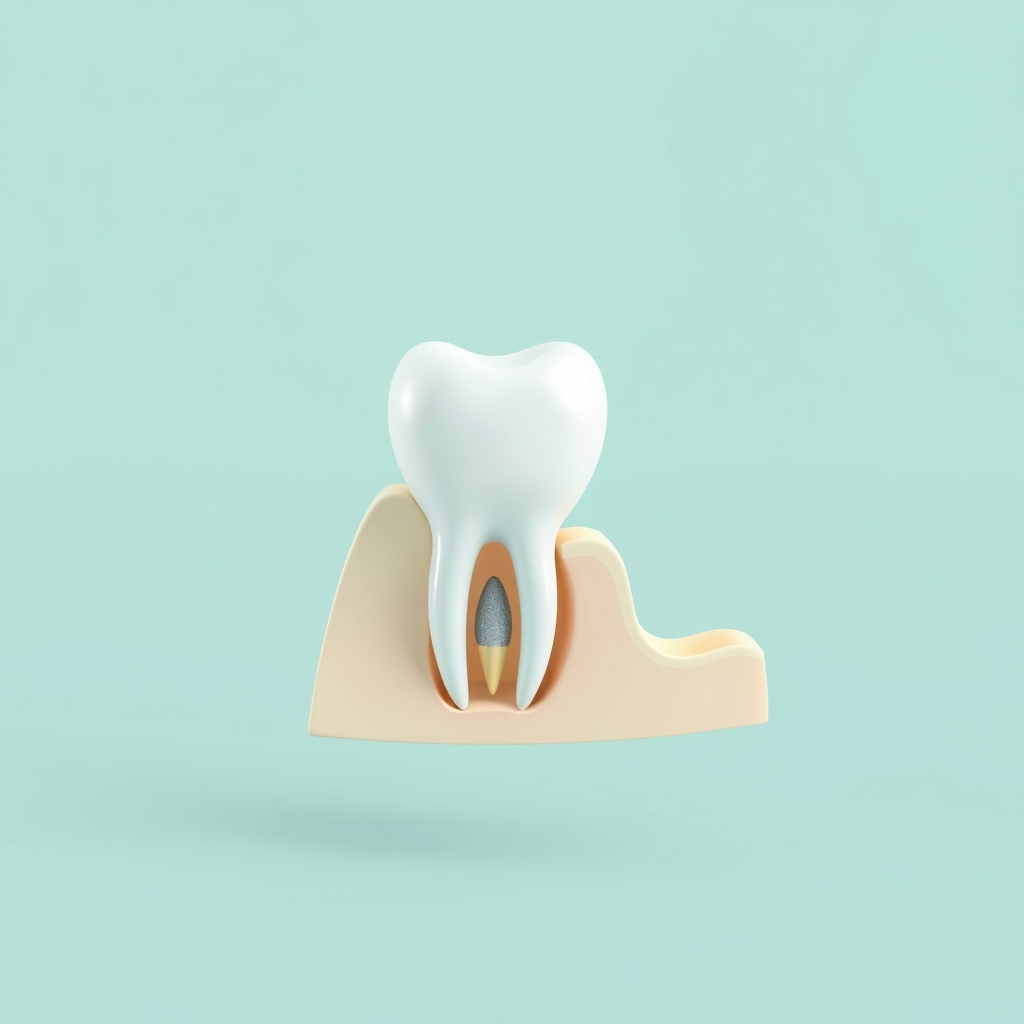
Not all grafts are the same. The right type depends on how much bone is missing and where.
Socket Preservation Graft
Done right after a tooth extraction, this prevents the socket from collapsing and keeps the site ready for a future implant.
Ridge Augmentation
Used when the jawbone ridge has become too narrow or short. Graft material is added to rebuild its shape and width.
Sinus Lift
For implants in the upper back jaw, the sinus floor may sit too close to the bone. This procedure gently lifts the sinus membrane and places graft material underneath to create more height.
Block Grafts
Used for larger bone defects, where a small block of bone (often from another part of your own jaw) is fixed in place with tiny screws.
Graft material itself can come from your own body (autograft), a donor tissue bank (allograft), animal source (xenograft), or a synthetic substitute (alloplast). Your dentist will recommend the safest and most suitable option for your case.
Procedure Steps
- Initial consultation and 3D scan to assess bone volume
- Local anesthesia to numb the treatment area
- Placement of graft material into the deficient bone site
- Covering with a protective membrane, if needed
- Closing the gum tissue with sutures
- Follow-up visits to monitor healing
The procedure itself is usually completed in 30 to 90 minutes, depending on the complexity.
Recovery Time
Initial healing, including swelling and tenderness, typically settles within 7 to 14 days. However, the bone needs much longer to fully integrate and become strong enough to support an implant.
| Graft Type | Typical Healing Time Before Implant |
|---|---|
| Socket preservation | 3 to 4 months |
| Ridge augmentation | 4 to 6 months |
| Sinus lift | 6 to 9 months |
| Block graft | 6 to 9 months |
During this time, your dentist will schedule check-ins to confirm the graft is integrating well before moving ahead with the implant.
Added Cost of Bone Grafting
Bone grafting adds to the overall cost of implant treatment since it is a separate procedure with its own materials and healing time. In DLF Phase 4, Gurgaon, the typical range for bone grafting can vary widely based on the type and amount of graft material needed, as well as whether a membrane is used.
As a rough guide, simple socket preservation tends to cost less than a sinus lift or block graft, which involve more material and a longer procedure. Your dentist can give you an accurate estimate only after reviewing your scan, since every case is different. We avoid fixed quotes here because bone grafting costs genuinely depend on individual anatomy and the extent of bone loss.
Is It Worth It?
While grafting adds time and cost to your implant journey, it significantly improves the long-term success and stability of the implant. Skipping a needed graft can lead to implant failure or an unnatural looking result. Most patients find that the extra months of healing are a worthwhile investment in a lasting outcome.
If you have been told you need a bone graft and want a clear, honest assessment of your specific case, a consultation with a 3D scan is the best next step.
Have questions about your teeth?
EXL Dentists · Galleria Boulevard, DLF Phase IV, Sector 43
Frequently asked questions
Can I get an implant without a bone graft?
Sometimes yes, if you have enough healthy bone width and height. Your dentist checks this with a clinical exam and a 3D scan before deciding.
Is bone grafting painful?
Most patients feel mild to moderate discomfort for a few days, similar to a tooth extraction. Pain medication and ice packs usually manage it well.
How long after a bone graft can I get my implant?
Minor grafts may need 3 to 4 months to heal. Larger grafts, like sinus lifts, can take 6 to 9 months before the implant is placed.
Does insurance cover bone grafting for implants?
Coverage varies by policy. Many dental and health insurance plans in India treat implants and related grafting as elective, so it is best to check with your insurer directly.
Treatment costs mentioned on this page are indicative ranges for the DLF Phase 4, Gurgaon region. Your exact cost depends on your case and will be confirmed after a clinical examination at the clinic.